

So, you have a desk in your living room, and you feel like a total failure because it ruins the vibe. Stop feeling bad, because almost everyone messes this up by shoving a plastic desk against a wall like they are in a math class. It looks cheap, it ruins the room, and frankly, it makes you want to quit working. I have been there, I have seen the clutter, and I have found the way to make it look like a designer planned it.
Most people think a desk must face the wall, and that is why their space feels sad, dark, and boring. They buy a heavy desk, they hide it in a corner, and then they wonder why they never want to sit there to pay bills. I am going to show you how to fix this for good. We will make your desk a star, keep it cozy, and keep your living room feeling like a home.
Floating Your Desk in the Center

Start by pulling your desk away from the wall, even if it feels wrong, because it changes everything. When you float the desk, you turn it into a room divider, and it gives you a view of the whole space. People always tuck desks away, but showing off the back of a pretty wood desk is much better. Just make sure the cords are hidden, because a mess of wires ruins the look fast.
Use a rug to define this new zone, and it will feel like a real office suite inside your house. If you have a small apartment, this trick stops the desk from feeling like an intruder. It creates a path around the furniture, it feels professional, and it keeps your home airy. I tried this once, and I never went back to the wall, because the flow is just so much better.
- Pull your desk into the middle.
- Hide all your messy wires.
- Use a rug to define it.
- Create a natural walkway path.
Using a Slim Console Desk
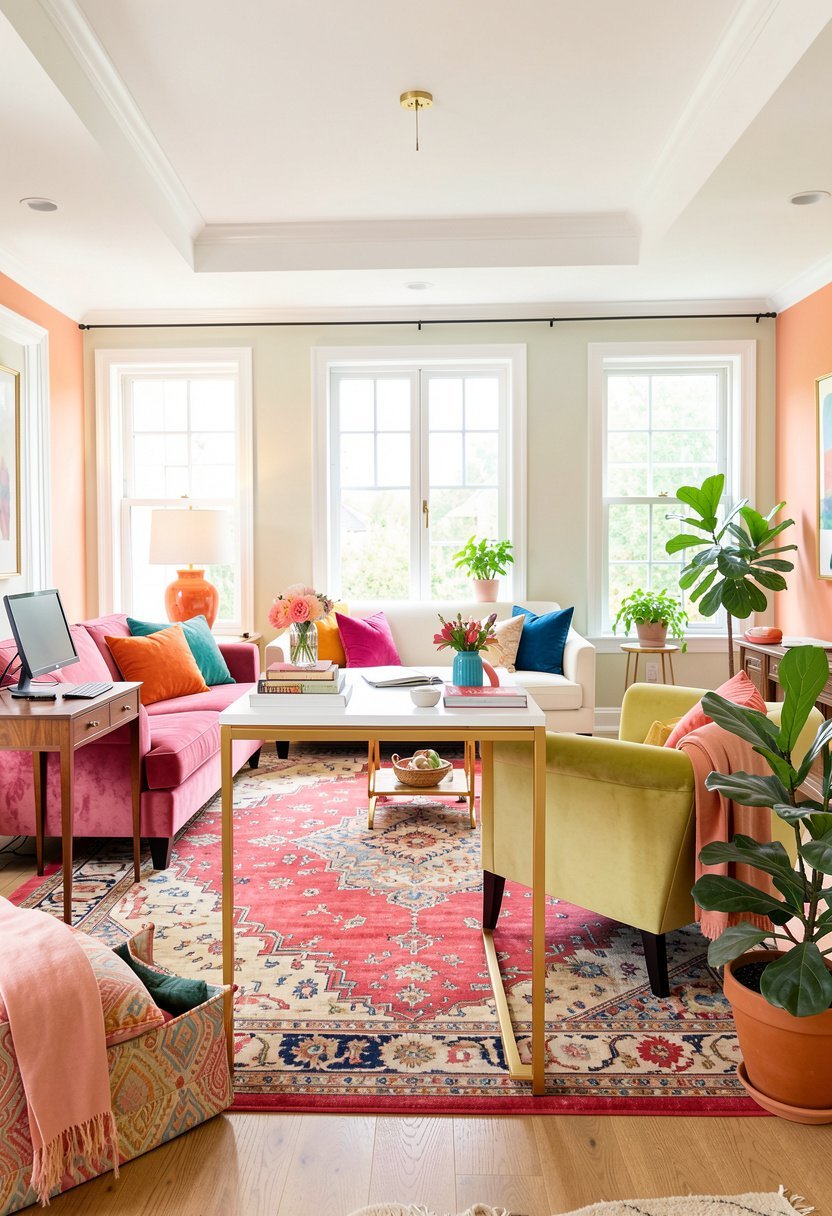
Stop buying those massive, clunky desks that take up half the room, because you do not need that much space. A slim console desk is your best friend, as it works like a side table, but it gives you room to type. I love these because they vanish when you are not using them, and they look like fancy decor pieces. Most people waste money on ugly cubicles, but you deserve a sleek setup that fits.
Pair it with a pretty chair that slides all the way under, so it hides when the work is done. If you pick one with a drawer, you can stuff your pens inside, and keep the top looking clean. It is simple, it is smart, and it is the best way to keep a modern living room feeling calm. Trust me, you will love having extra floor space.
- Pick a very slim desk.
- Hide the chair underneath it.
- Get one with a drawer.
- Keep the top totally clear.
Creating a Corner Nook
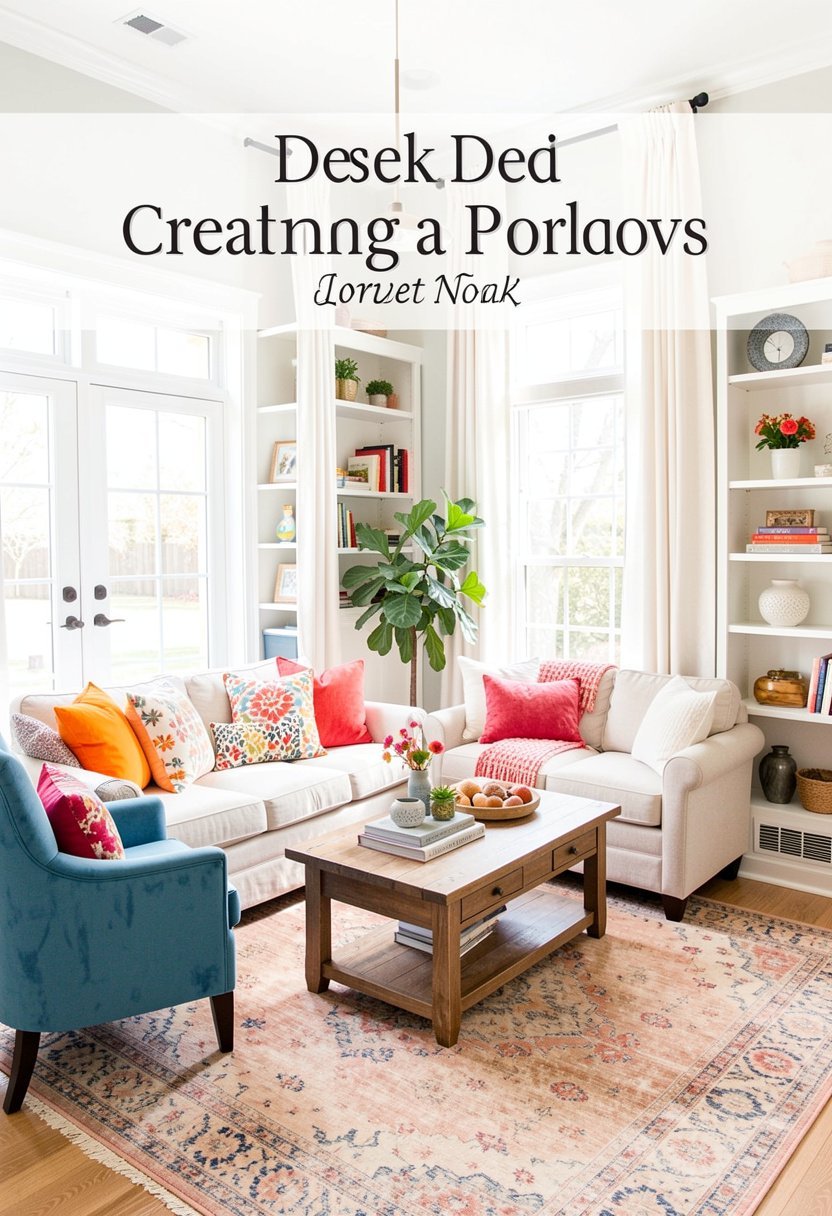
If you have a dead corner, stop leaving it empty, and shove a desk right into that tight spot. I see people ignore corners all the time, and it is such a waste of square footage. A corner desk uses every inch, it feels tucked away, and it makes you focus better. Plus, you can put shelves above it to hold books, and you will feel like a fancy writer.
Keep it cozy with a soft lamp, and do not buy a giant, dark chair that clutters the view. A light, airy stool works wonders here, and it keeps the room looking big. I once used this for a tiny guest room office, and it felt like a secret hideout. It is the perfect home office setup for anyone who needs to focus and hide from the family.
- Use every bit of corner.
- Add shelves above the desk.
- Choose a light, airy chair.
- Make it a secret hideout.
Behind the Sofa Strategy
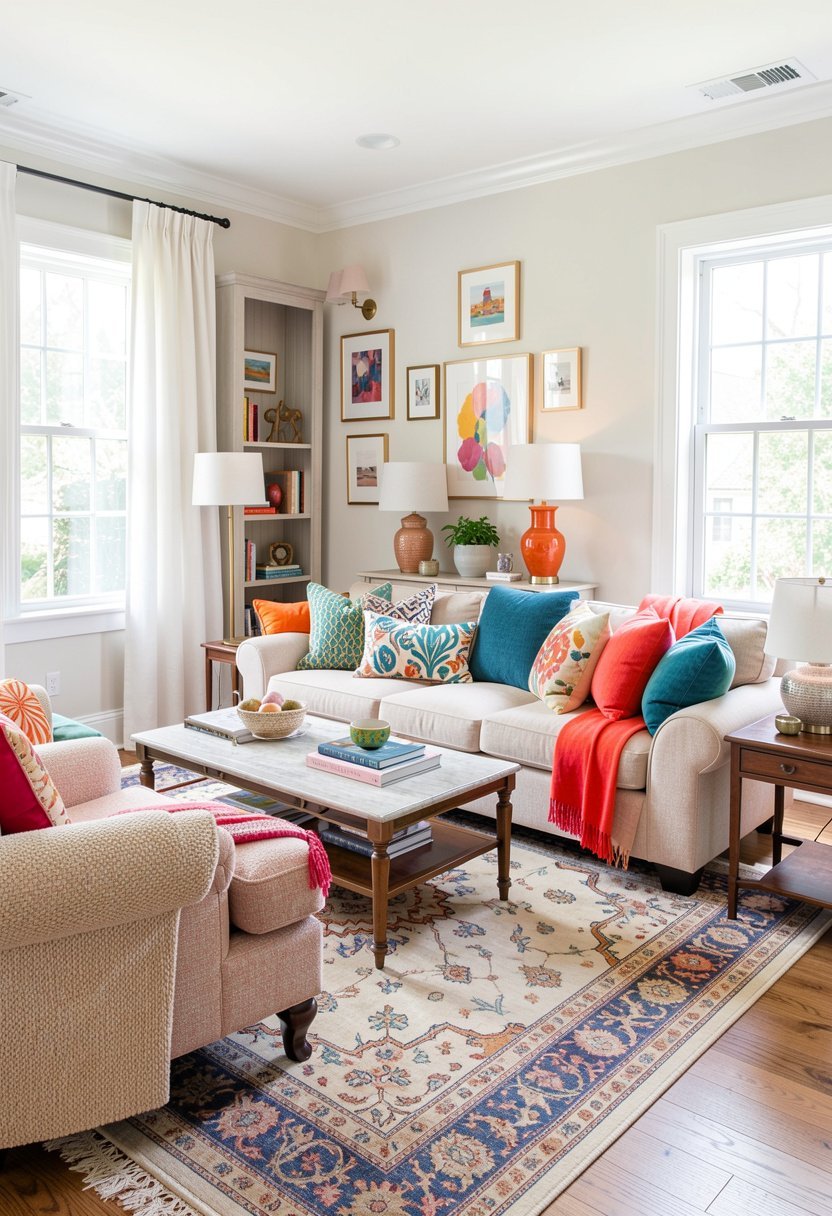
Putting your desk behind the sofa is the ultimate pro move, and I am obsessed with how it looks. It uses that empty space behind the couch that usually just collects dust, or weird throw pillows. Since your back is to the room, you get total focus, but you are still part of the action. It feels open, it is clean, and it keeps the desk from being the first thing you see.
Ensure your sofa is taller than the desk, or it will look like a cluttered mess, and that is a bad vibe. I did this in my last place, and it worked perfectly to hide my laptop screen. It creates a natural border, it looks intentional, and it makes the living room design look really cohesive. Just watch your coffee placement, because spills near a keyboard are a nightmare.
- Place desk behind the sofa.
- Check that sofa is taller.
- Create a clean border line.
- Keep drinks away from work.
Integrating with Built in Shelves
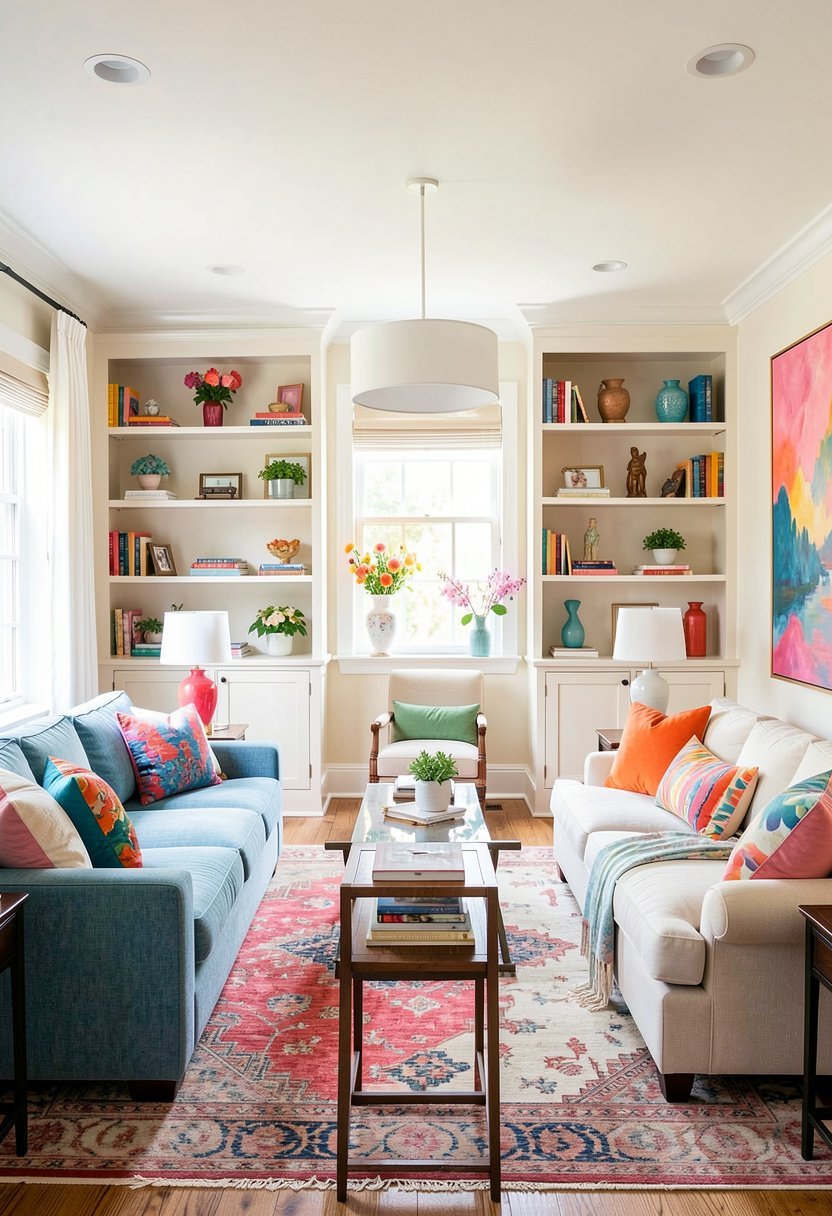
If you have shelves, stop using them for random junk, and put a desk right in the middle of them. It makes the desk look like it was meant to be there, and it saves so much room. I love how a desk built into shelves hides all the ugly office gear, and it makes your books look better. People always try to force a desk into a spot that does not fit, but this method is just seamless.
Paint the desk the same color as the shelves, and it will look like a million bucks. You can add a nice lamp on a shelf, and it provides perfect light for working. This is the best storage solution for anyone who hates a mess. Once I did this, I finally felt like a real adult with a real home.
- Tuck desk into your shelves.
- Paint it to match walls.
- Add lights on the shelves.
- Hide all the ugly gear.
Using a Ladder Desk Style

Ladder desks are great for small rooms, because they reach up, not out, and they look like cute decor. I know some people think they are flimsy, but get a good one, and it will hold your stuff just fine. They feel very open, they do not block the light, and they are perfect for a minimalist home decor look. It is a smart way to have a desk without it feeling like a boss office.
Style the top shelves with a plant or a photo, and the desk part stays clean for your work. You get all the surface area you need, and the room feels bigger. I once had a tiny nook that felt claustrophobic, but a ladder desk saved the day. It is such a clever way to keep things airy, light, and very pretty.
- Go up instead of out.
- Pick a sturdy ladder model.
- Style shelves with pretty decor.
- Keep the floor area clear.
Wall Mounted Fold Down Desk
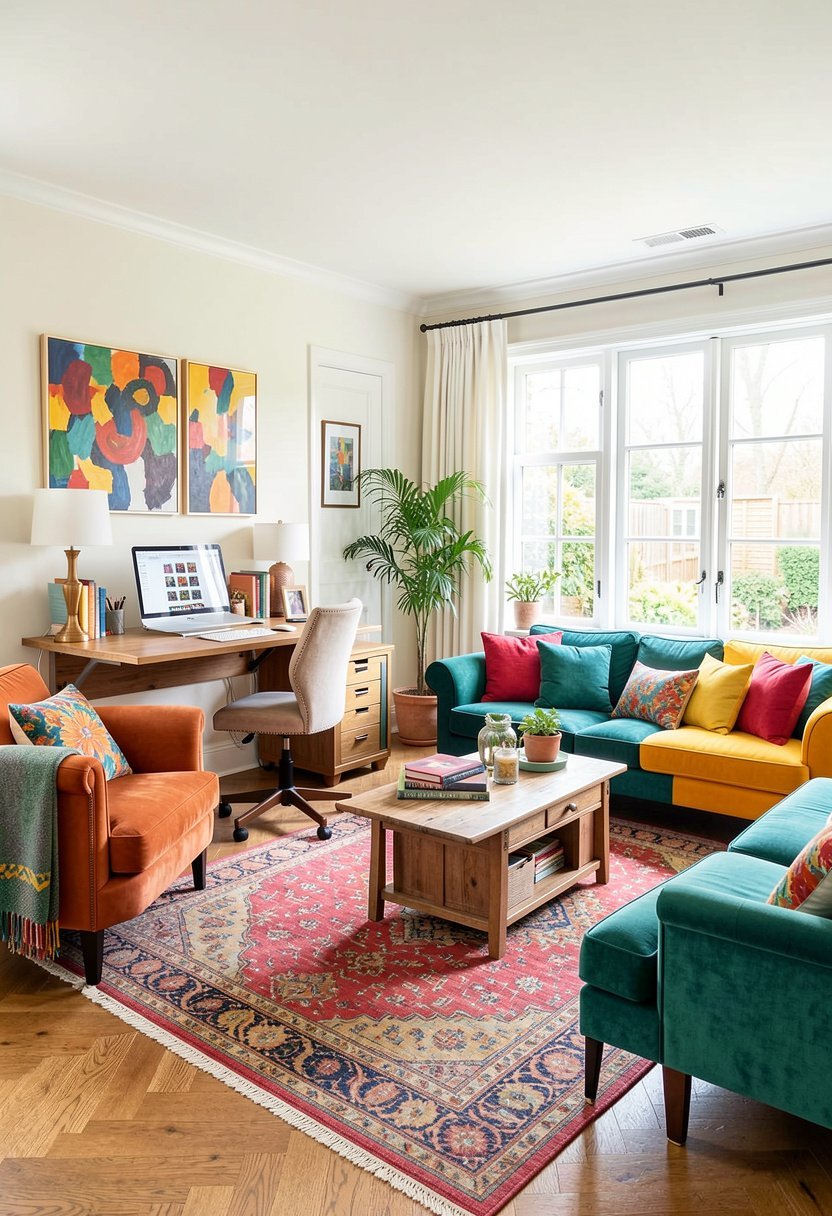
If you really have no space, get a desk that folds into the wall, and thank me later. It stays flat against the wall like a picture frame when you are done. Then, you just pull it down, and you have a workspace in two seconds. It is the ultimate space saving tips winner, and it blows my mind that more people do not use them.
You do not even need a desk chair, because a dining chair works perfectly for quick tasks. It keeps your living room looking like a living room, not a cubicle, and I love that flexibility. I used this in a studio, and it was a total lifesaver. When it is up, you have room for a party, and when it is down, you are ready to work.
- Fold it up after work.
- Use a regular dining chair.
- Keep floor space totally empty.
- Look like a wall decoration.
Selecting a Glass Top Desk

Glass desks are the secret weapon of anyone living in a small, dark home, and I stand by this. Because they are clear, your eye goes right through them, and the room feels huge. Wood desks can look heavy, but glass desks just hover there, and they take up zero visual weight. It is the easiest way to make a room feel bigger without spending tons of cash.
They are easy to clean, they look very fancy, and they never go out of style. Just be careful with sticky fingerprints, because they show everything, and that is annoying. I have one, and I love how it makes my cozy apartment living feel so much brighter. It is a classy choice that works with any style, from modern to classic, without ever looking messy.
- Clear top adds visual space.
- Glass feels very light indeed.
- Fits with any decor style.
- Very easy to keep clean.
Choosing a Writing Table Desk
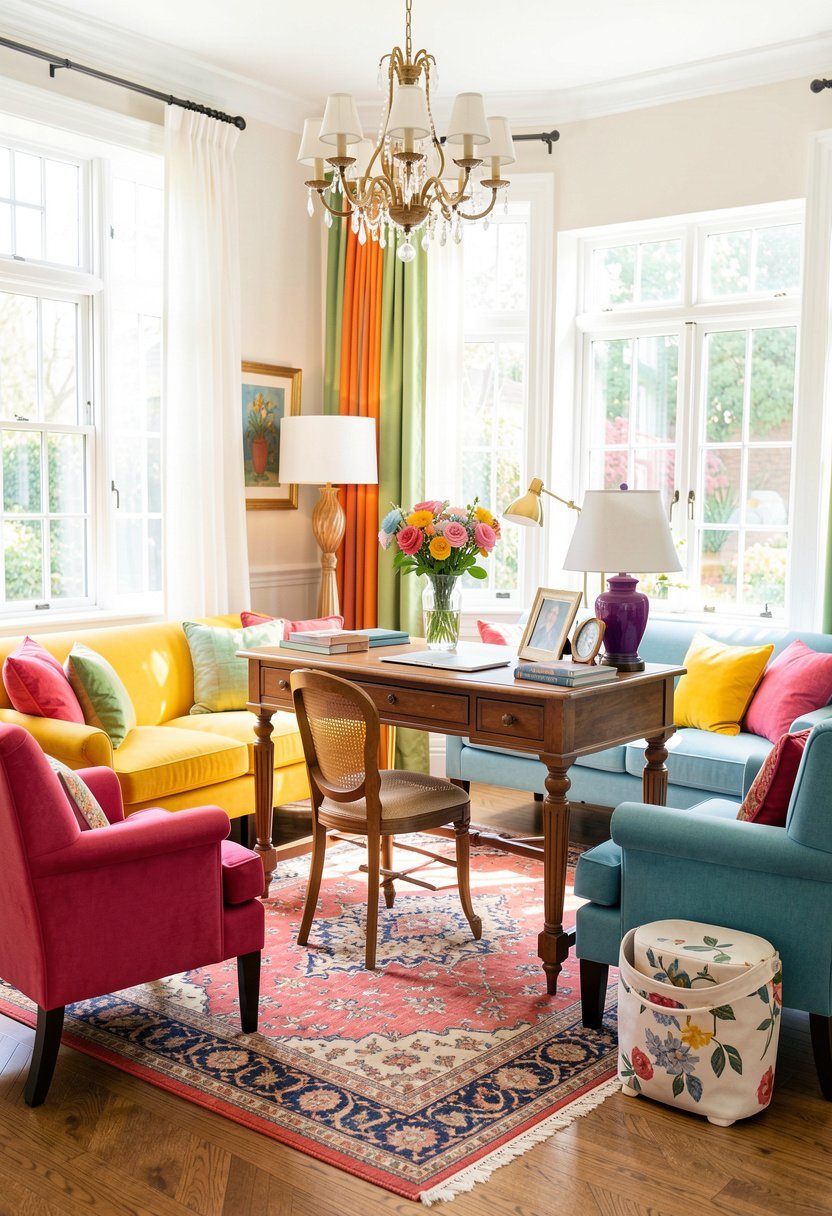
Stop buying those massive desks with cabinets you never use, because a simple writing table is better. It has four legs, a flat top, and maybe one drawer, which is all you actually need. You will stop hiding junk in drawers, and you will finally clear your brain. It feels like a beautiful piece of furniture, not a piece of office gear, which is exactly the point.
I like to use a small tray on top to hold my pens, so they do not roll everywhere. It looks very tidy, it is very functional, and it fits into a creative workspace vibe. A desk should be a place where you enjoy sitting, not a place you hate. This simple style makes working feel like a treat, and that is a huge win.
- Keep it simple with legs.
- Avoid the giant cabinet drawers.
- Use a tray for pens.
- Focus on the pretty design.
Placing Near a Window

If you can, put your desk right by the window, because natural light makes you feel like a new person. Looking at a wall is depressing, but looking outside at the trees is pure magic. I always suggest this to friends, and they always tell me it changed their work day. You do not need a view of the ocean, even a simple street view makes the desk feel alive.
Use a roller shade so you can control the glare, because too much sun is as bad as none. It is a productive home office hack that costs nothing but a bit of moving furniture. I once worked in a closet, and moving to the window made me get so much more done. It is the best way to keep your mood high and your energy flowing.
- Face the window for light.
- Use shades to block glare.
- Look outside to stay happy.
- Feel more energy while working.
Designing a Shared Desk Zone
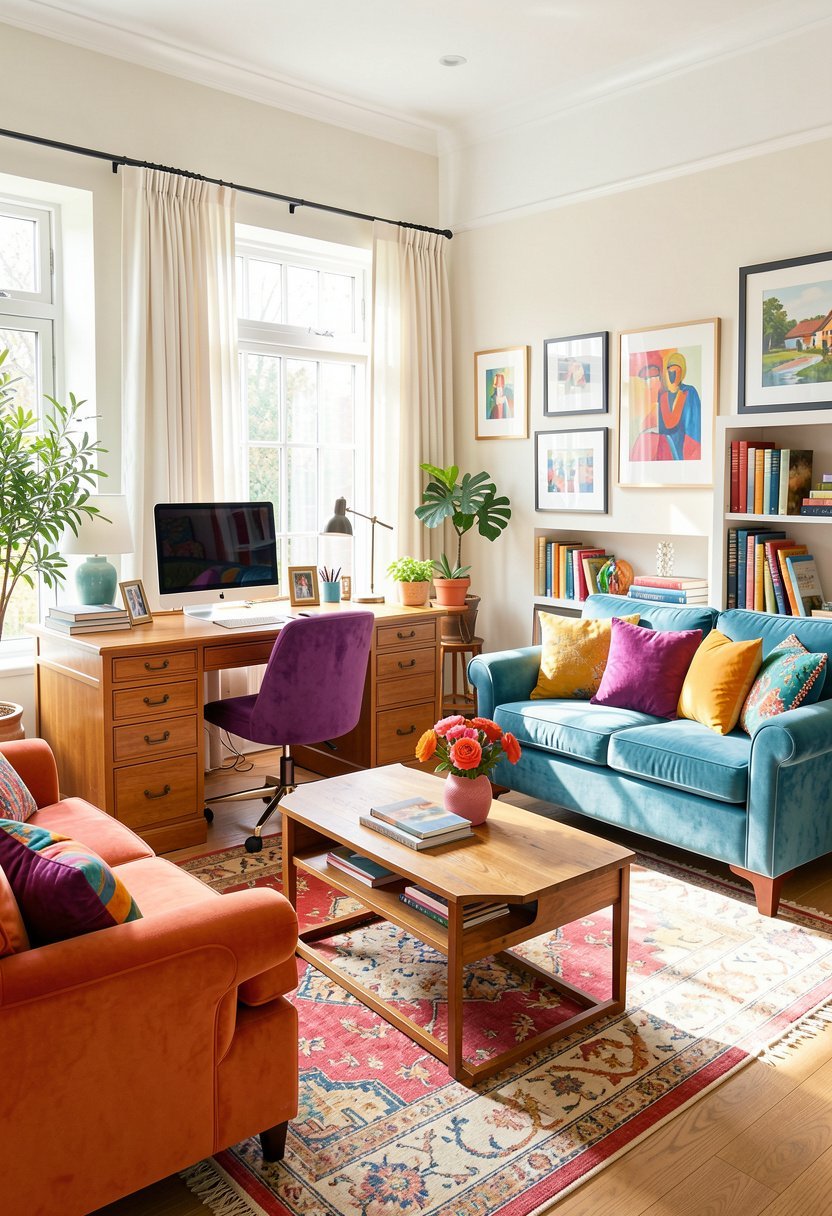
If you and a partner both work from home, stop fighting for the table, and build a long desk together. It can run along one wall, and it gives you both space without making the room look messy. It looks very modern, it is very efficient, and it creates a hub for the whole family. You can put drawers in the middle to separate your stuff, and everyone stays happy.
It is a great way to use a long wall that was just sitting there doing nothing. I love seeing this in living rooms, because it shows you actually live there. It is the best shared workspace ideas project you will ever do. Stop dealing with two separate, ugly desks, and go for one long, beautiful piece of custom furniture instead.
- Build one long shared desk.
- Add drawers for separate space.
- Use the long wall space.
- Create a family work hub.
Final Thoughts
I hope these ideas help you finally stop hating your office setup. A desk should not be the enemy of a cozy room, it should be a part of the beauty. Try moving things, try hiding the cords, and do not be afraid to pick a smaller desk. Most people fail because they overthink it, but you have got this. Just start small, move that desk, and you’ve got this.
| Idea Number | Best Layout Use | Room Style |
|---|---|---|
| 1 | Floating | Large Living |
| 2 | Console | Modern Home |
| 3 | Corner | Small Nook |
| 4 | Behind Sofa | Open Concept |
| 5 | Built-in | Library Wall |
| 6 | Ladder | Minimalist |
| 7 | Fold Down | Studio Room |
| 8 | Glass Top | Dark Space |
| 9 | Writing Table | Chic Decor |
| 10 | Window | Bright Office |
| 11 | Shared | Family Hub |
| 12 | Accessory | Lamps |
| 13 | Storage | Baskets |
| 14 | Chair | Ergonomic |
| 15 | Rugs | Zoning |
Frequently Asked Questions (FAQs)
Is It Okay to Put a Desk in the Living Room?
It is absolutely okay to put a desk in your living room, as long as you treat it like furniture instead of a chore. People worry it looks bad, but if you pick a stylish desk and keep the cords hidden, it actually looks very inviting. A desk adds purpose to your room, makes it look lived-in, and gives you a dedicated spot for your daily tasks.
Can I Hide My Computer When I Am Not Working?
You can definitely hide your computer by using a fold down desk, or by choosing a desk that looks like a console table. If you use a laptop, just tuck it into a drawer or a basket when you are done. Keeping the screen out of sight helps your brain turn off at night, and it keeps your living space feeling like a relaxing home again.
Are Glass Desks Good for Small Rooms?
Glass desks are the best choice for small rooms because they have no visual weight, and they trick the eye into seeing more floor space. They feel light, they keep the room looking open, and they fit any decor style perfectly. I tell everyone with a tight space to skip the wood and go for glass to stop the room from feeling crowded.
Do I Need a Special Office Chair?
You do not need a giant, ugly plastic office chair to be comfortable while you work. Look for a chair that has a nice design, supports your back, and fits under your desk properly. If you can find a pretty accent chair that has good padding, that is often enough for most people. Just make sure you can sit there for a few hours.
Does the Desk Need to Match My Other Furniture?
The desk should definitely relate to the other pieces in your room, but it does not have to be a perfect match. You want it to look like it belongs, so try to pick a color or material that talks to your coffee table or your bookshelves. If the styles clash too much, the desk will always look like it does not belong.
Should I Put a Rug Under My Desk?
You should absolutely use a rug under your desk, because it marks the space as a special zone, and it keeps your chair from scratching the floor. A rug makes the area feel warm, cozy, and separate from the rest of the room. It is a simple way to make your desk look like a real designer choice, not just a random addition.
Will a Desk Near a Window Cause Glare?
A desk near a window can cause glare on your screen, but you can easily fix this with a simple shade or curtains. You want the light to hit your face or the side of your desk, not the back of your screen. If you manage the light with a roller shade, you get the view without the annoying screen reflections.
Does a Large Desk Make the Room Smaller?
A large desk will make any room feel smaller, especially if it is dark or clunky, so please avoid them if you do not have space. Stick to slim tables or floating styles to keep the room feeling big and airy. If you really need a large workspace, use a shared long desk on one wall to keep the floor open.