

One day, I finally realized my living room felt like a crowded, tiny waiting room. It was honestly a mess, even though I thought I had followed all the design rules. Most experts tell you to just buy expensive stuff, but that is total nonsense. You do not need a huge bank account to fix your space. I spent years fixing these mistakes, so let me save you from the stress.
We will explore 12 dimensions living room layout ideas that actually work for real people. You will see how moving your couch, or changing a rug, changes everything. I promise these simple shifts make your home feel bigger, brighter, and much more comfortable. Forget those boring magazines, because we are doing this the right way today.
Floating Furniture Away From Walls
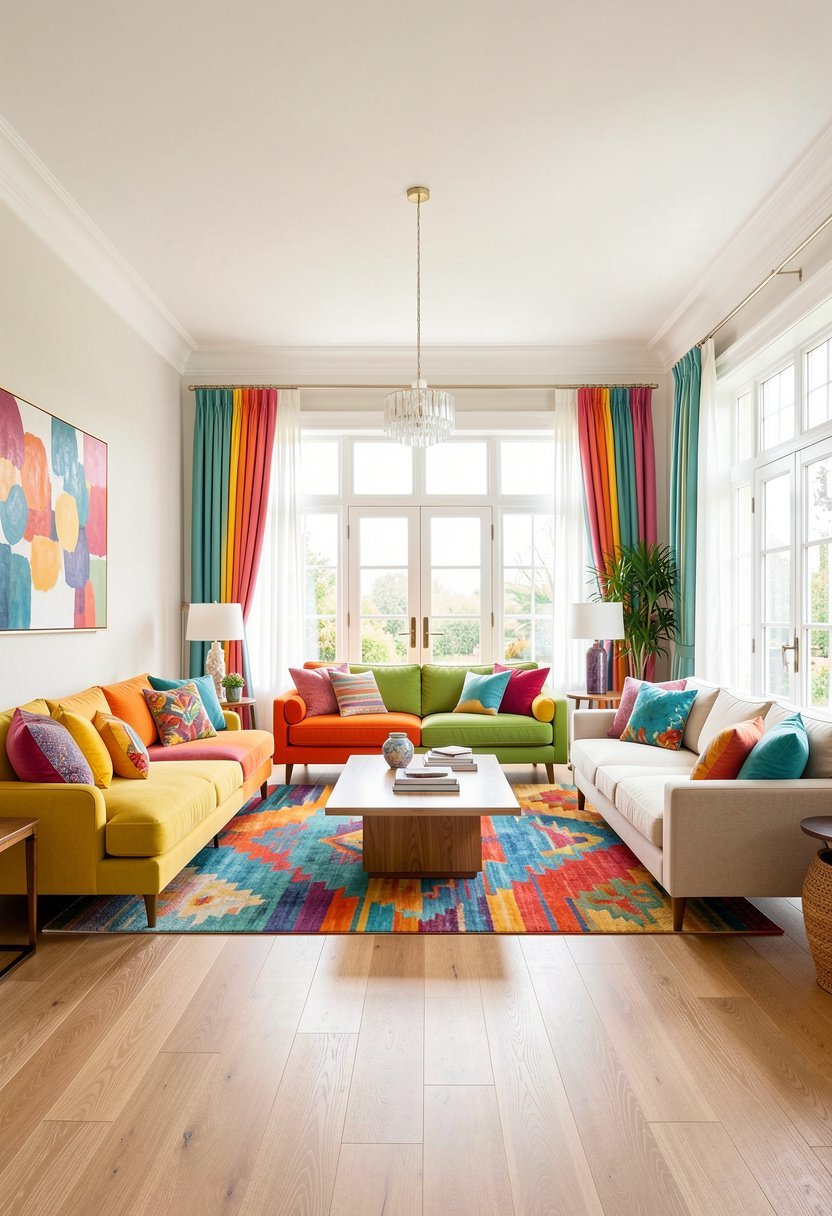
Most people shove every piece of furniture against the wall, like they are trying to hide something. This is a huge mistake, and it honestly makes your room look like a stiff, cold office. Pulling your couch into the center creates a cozy island, which feels much more inviting. You gain a walking path behind the sofa, which makes the whole space flow better.
I did this in my first house, and the difference was shocking. It feels intentional, smart, and totally high-end without spending a single penny. People are often scared to move things, but you should just push it out. If the back of your couch looks sad, just toss a pretty blanket over it. This trick opens up the room instantly, making it look like a pro designed it, which they did not.
You deserve a home that breathes, so stop trapping your sofa in the corner. Walk around your furniture, see how the air moves, and enjoy the space you reclaim. It is about comfort, not following old rules about walls. Trust me, you will never go back to the walls once you try this shift. It is the easiest way to transform your floor, and your mood, today.
- Move your main sofa to the center.
- Create a walking path behind furniture.
- Cover sofa backs with soft blankets.
- Stop pushing pieces against the walls.
Zoning with Rugs to Define Spaces

People try to cram too much stuff into one room, which makes it feel like a giant, messy pile. You need to use rugs to separate your area, almost like drawing lines on the floor. A big rug anchors the seating, while a smaller runner can define the hallway area. It keeps the chaos contained, and it makes your room feel organized, even if you are messy.
I always tell my friends to buy the biggest rug they can afford. Small rugs make a room look like it is floating in space, which is not the vibe. If your budget is tight, pick a simple, plain rug, or layer two cheap ones. It does not have to be fancy to be effective, it just needs to be the right size. Just make sure the front legs of the sofa sit on the rug.
Stop letting your stuff drift around, because rugs act as a visual boundary for your eyes. You will feel more relaxed when every item has its own dedicated zone. If you have an open floor plan, this is non-negotiable, so do not skip it. It turns a giant, cold room into a warm, cozy nook for your favorite hobbies. Your floor will finally make sense again.
- Use large rugs to anchor furniture.
- Define zones for reading or TV.
- Ensure furniture legs touch the rug.
- Layer cheaper rugs to save money.
Using Low Profile Pieces for Height
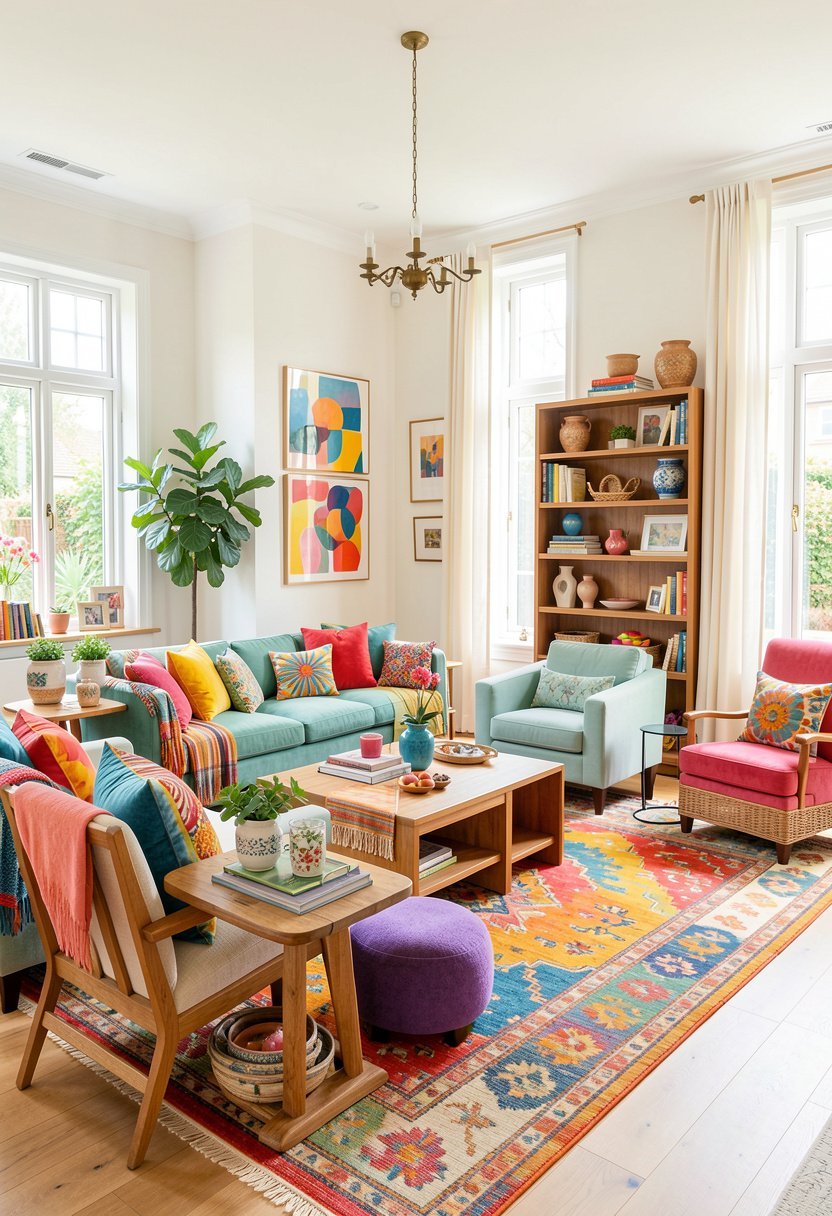
Many folks buy super tall shelves that block all the light, which is a major design crime. You want your eye to travel across the room, not crash into a big, wooden wall. Low furniture keeps your ceiling feeling high, which is exactly what every small house needs. I switched to low chairs years ago, and I am never going back to those clunky seats.
Think about how much air you see when your furniture stays below the window line. It makes the room feel massive, even if it is actually just a tiny box. You can stack art above these pieces to keep the interest high, without making the room feel like a cave. It is all about balance, and keeping things light, airy, and very easy on the eyes.
Ditch those heavy, dark pieces that eat up your space and make you feel cramped. If you have tall items, keep them in the corners, not right in the middle of your view. You will love how much easier it is to clean, too. Your living room should feel like a sanctuary, not a storage unit for bulky items you never use. Keep it low, keep it open.
- Pick chairs that sit lower.
- Keep pieces below the windows.
- Avoid blocking your natural light.
- Use corners for taller items.
Creating Symmetry with Side Tables
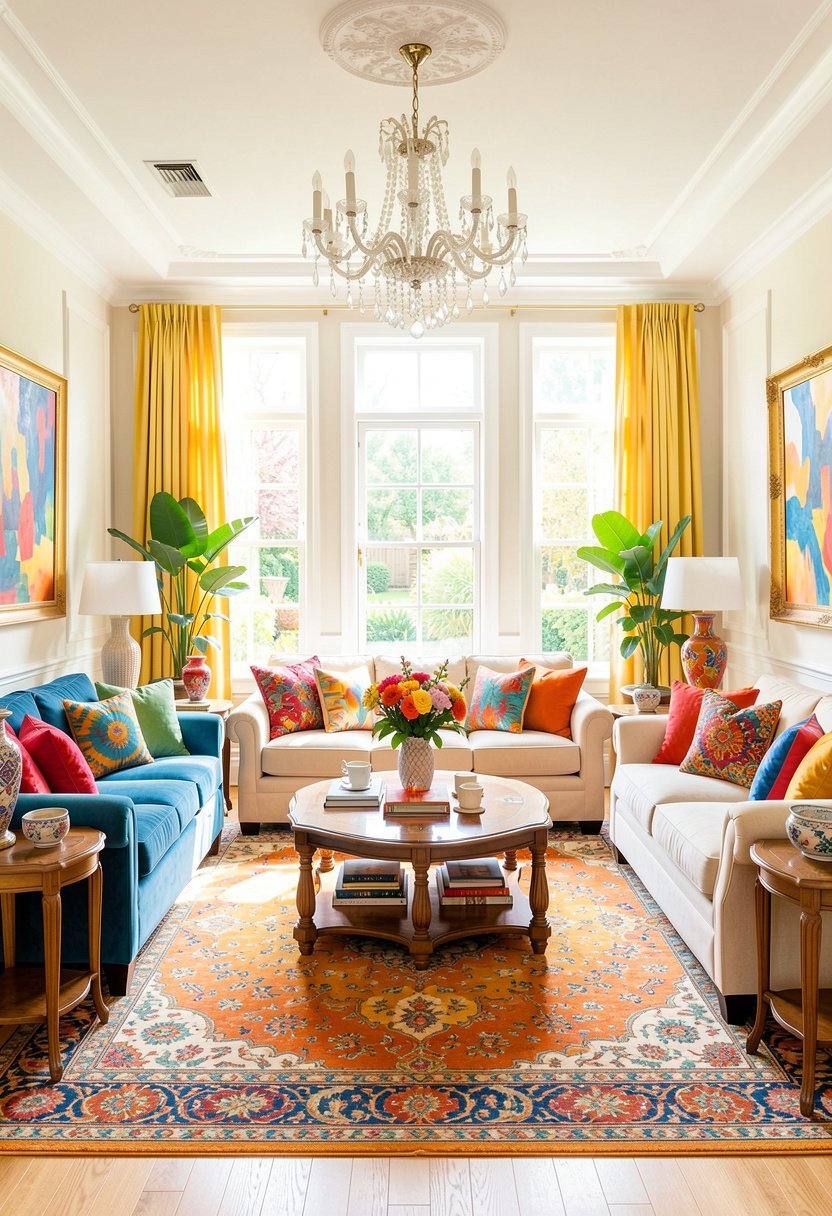
There is something so soothing about symmetry, especially when the rest of life feels like a total mess. Putting matching tables on either side of your couch creates instant balance, which our brains just love. It makes the space look put together, even if you just threw a pile of books on one side. It is a secret trick that makes any room feel like a formal parlor.
I see people buy mismatched tables all the time, which can work, but it is risky. If you are not a pro, stick to pairs to save yourself the headache. You can find cheap matching tables at any thrift shop, or even paint two old ones the same color. It is about the shape and height matching, not buying a set from a store. That simple repetition makes a room feel calm.
When you use pairs, you add order to your layout without trying too hard. It is a classic move that never goes out of style, unlike those weird trends you see online. If you have extra space, add a lamp to both tables for that extra bit of cozy glow. You will notice how much more peaceful the room feels when it looks balanced. It is easy, cheap, and really works.
- Use pairs for instant balance.
- Paint old tables to match.
- Add lamps to both sides.
- Focus on matching the heights.
Incorporating Mirrors to Double Space

If your living room feels like a tiny, dark closet, you need a mirror, and you need it now. Hanging a large mirror reflects the light and makes your walls look like they are receding. It is basically a magic trick, and it costs way less than knocking down a real wall. I put a giant mirror over my mantle, and my room felt twice as big overnight.
Do not just hang a mirror anywhere, though, because placement is everything for your interior design style. You want it to face a window or a nice view, so it pulls that outside light right into your home. If it faces a blank, dark wall, you are wasting its power. Go for a simple, thin frame so the mirror itself is the star of the show. It is worth every cent.
Forget those tiny, decorative mirrors that do nothing for the actual room size. You need something substantial that covers a good chunk of the wall. It sounds bold, but you will get used to it quickly, and you will love the depth it adds. If you are on a budget, look for mirrors at garage sales. A little cleaning makes them look brand new, and honestly, mirrors are timeless.
- Place mirrors opposite windows.
- Choose thin, simple frames.
- Aim for the largest size possible.
- Use mirrors to add depth.
Using Vertical Storage for Clutter

Clutter is the enemy of a good layout, and most people just do not have enough floor space. If you cannot expand out, you absolutely have to expand up. Tall bookshelves that go to the ceiling draw the eye upward, which makes your room feel grand and tall. I used to hate bookshelves, but now I know they are the best way to hide my mess.
You should anchor these shelves to the wall, because safety comes first, obviously. Then, fill them with your books, plants, and those things you love but rarely use. Keep the bottom shelves for the heavy, ugly stuff, and put the pretty decor up high. It keeps the living room floor clear for walking, dancing, or just sitting without tripping over a stray stack of magazines.
Stop shoving your gear into piles on the floor, because it looks terrible and shrinks your room. Vertical storage makes your home feel like a library or a boutique hotel. Plus, it gives you a place to show off your personality without cluttering your surfaces. It is a game changer for anyone living in a small place. You will wonder how you lived with a messy floor.
- Build shelves to the ceiling.
- Anchor tall units for safety.
- Keep heavy items down low.
- Display pretty items up high.
Adding Multi Functional Coffee Tables

A coffee table is the heart of the room, but a big, clunky one often ruins the flow. You need a table that does double duty, like a storage ottoman or a nesting set. I love a good ottoman because you can kick your feet up, hide your blankets inside, and still have a spot for your coffee. It is basically a secret weapon for anyone who hates visible mess.
If you have a very small room, consider a round table instead of a square one. It saves your shins from those sharp corners when you walk past, and it helps the traffic flow smoothly. Nesting tables are also brilliant because you can pull them apart when guests visit. When everyone leaves, you tuck them back together and reclaim your floor space. It is so smart.
Don’t settle for a table that just sits there looking pretty and doing nothing. Your furniture needs to work for you, especially if you are living in a tight, compact area. Look for pieces with drawers or shelves if you can, because every inch counts in a small house. A good coffee table makes the difference between a room that functions well and a room that feels busy.
- Use ottomans for secret storage.
- Choose round shapes for flow.
- Pick nesting tables for guests.
- Seek pieces with built-in drawers.
Opening Traffic Paths for Flow
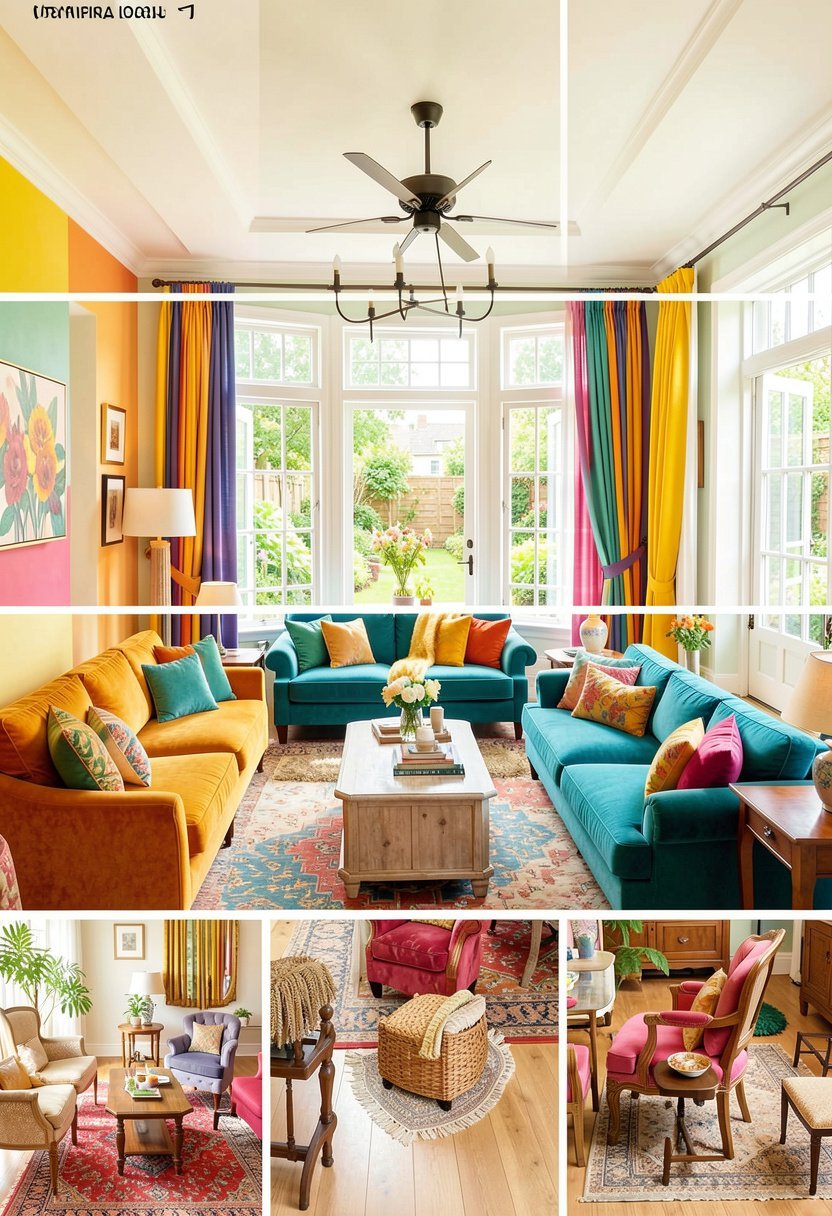
Nothing ruins a beautiful layout faster than having to dodge furniture just to reach the kitchen. You must walk through your room, test the paths, and make sure they are clear. If you find yourself side-stepping a chair every single day, move it. Your living room needs to be a place where you can move without thinking about it, which is the dream, right?
I tell everyone to give themselves at least three feet of space for main walking paths. If you have less than that, your room is too full, and you should consider donating a piece of furniture. It hurts to let go, I know, but a clear path is worth more than a dusty, rarely used armchair. A room that breathes is always better than a room that is packed full.
Focus on the path from the door to the couch, and from the couch to the other rooms. When these lanes are wide and open, your living room feels like a giant, airy hallway, not a trap. Take a photo of your room, look at it, and see where the traffic gets stuck. Usually, you will spot the problem in seconds. Just move it, and watch your room expand.
- Keep paths three feet wide.
- Test your routes every day.
- Remove furniture that blocks paths.
- Focus on movement and comfort.
Lighting for Mood and Space
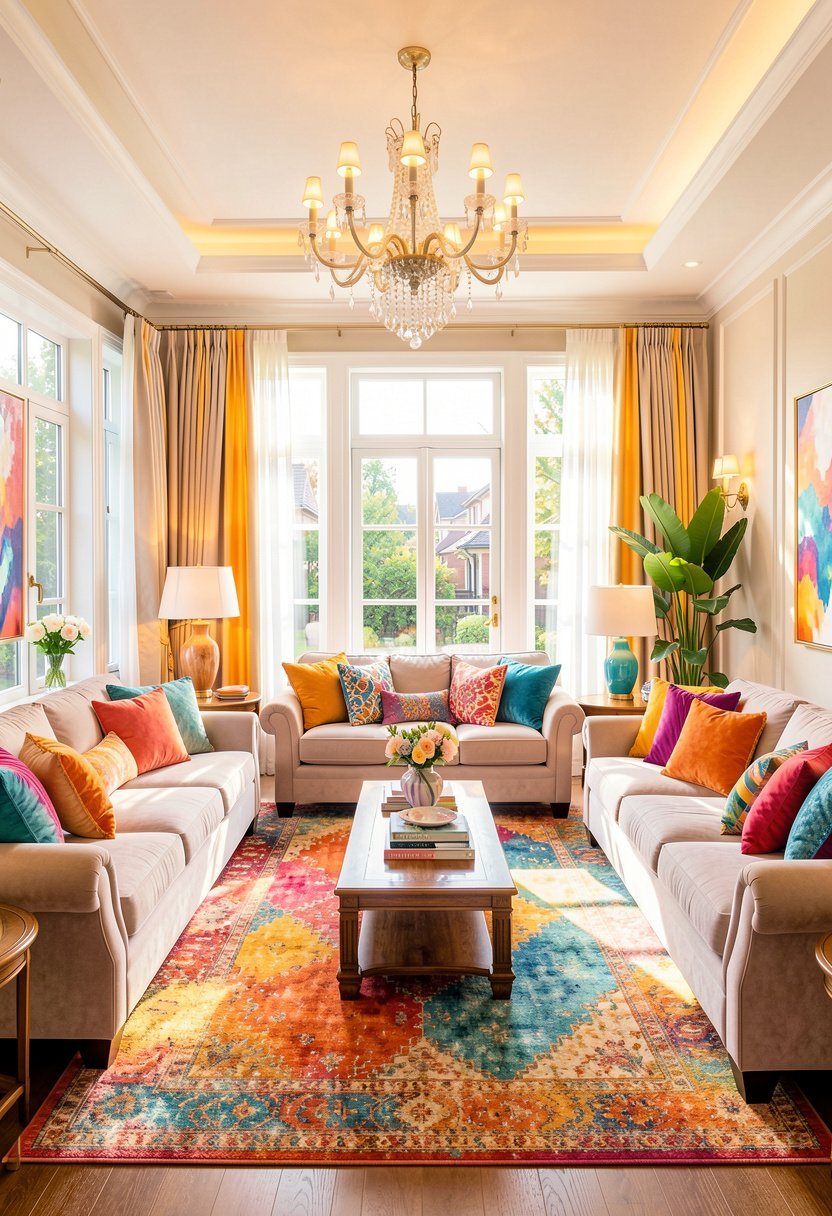
Lighting is the secret sauce of every home decor project, yet everyone messes it up by relying on one overhead light. That harsh, bright bulb makes your room look flat, small, and totally uninviting. You need layers of light, like floor lamps, table lamps, and maybe even a small accent light. It creates little pools of glow that make everything look soft and very expensive.
I use warm bulbs, always, because cool light makes a home feel like a dentist office. If you have a dark corner, stick a lamp there to push the shadows back and make the room feel wider. Dimmers are also your best friend, because you can adjust the mood depending on if you are reading or watching a movie. It changes the whole vibe of the room instantly.
Stop using just one big, ceiling light and expect your room to look cozy. It never happens, and honestly, it is depressing. Mix your lighting to highlight your favorite decor and make the space feel deeper than it actually is. It is the cheapest trick for a high-end feel. Once you get the lighting right, you will realize that your room was never small, it was just sad.
- Mix lamps for soft layers.
- Use warm bulbs for glow.
- Place lamps in dark corners.
- Install dimmers for better control.
Using Curtains to Increase Height
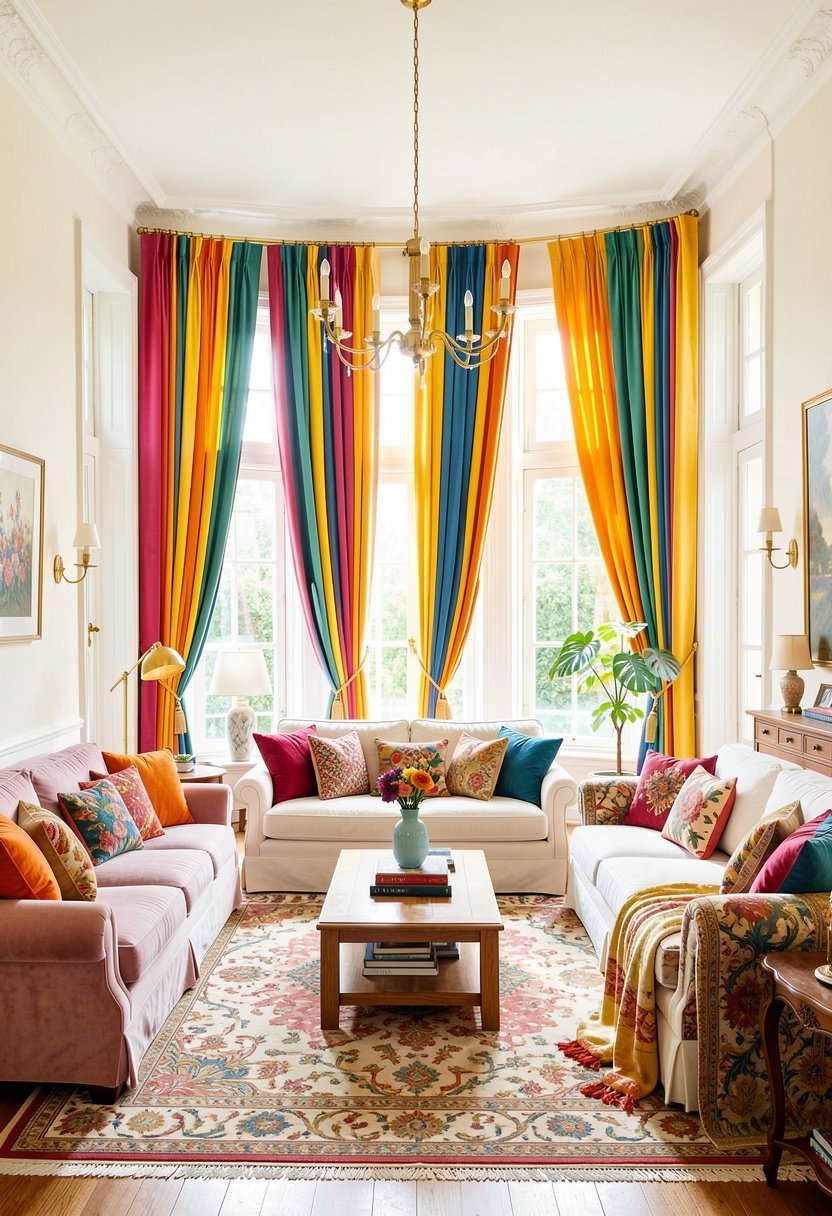
Most people hang curtains right above the window frame, which is a big mistake. It cuts the wall in half, makes your ceiling look low, and kills the room. You should mount your curtain rod way higher, almost at the ceiling line. This draws your eyes up, creates the look of huge, floor-to-ceiling windows, and makes the room feel grander than it really is.
It is such a simple, free change, but it really works every time. I did this in my rental, and the landlord thought I did a renovation. Just make sure your curtains are long enough to graze the floor, because short curtains look like they are shrinking. If you can, go for a simple, solid color that matches your walls to make the room feel seamless and wide.
Don’t buy flimsy, cheap curtains that look like plastic. You want something with a bit of weight, like cotton or linen, so they hang nice and straight. They provide privacy, keep the sun out, and act as a giant frame for your space. It is a pro tip that changes the whole look of your living room. Seriously, raise that rod, and you will see the change.
- Hang rods near the ceiling.
- Keep curtains long to floor.
- Pick solid colors for width.
- Use heavy fabrics for style.
Grouping Art to Save Walls

Putting one tiny picture in the middle of a wall makes it look lonely and weird. You should group your art together, like a gallery, to make a big, bold impact. It fills the space, shows off your personality, and makes the room feel finished. I love using a mix of family photos, sketches, and prints to make the wall feel like a living, breathing history of my life.
Do not worry about making it perfect, because a rigid, square gallery looks a bit like a corporate lobby. Just lay your pieces on the floor first, move them around until they look good, and then put them on the wall. It is easier to fix a mistake on the floor than on your painted wall. Plus, this method allows you to add more pieces later as you collect them.
Stop worrying about frames matching, because a mix of textures actually looks much more curated. You can find frames at thrift stores and paint them all the same color if you want a cleaner look. It is an affordable way to dress up your walls and keep the focus off your furniture layout. Your walls will finally look as good as the rest of your home.
- Lay art on floor first.
- Group pieces for impact.
- Mix frames for interest.
- Paint frames to coordinate.
Keeping Surfaces Clear and Clean
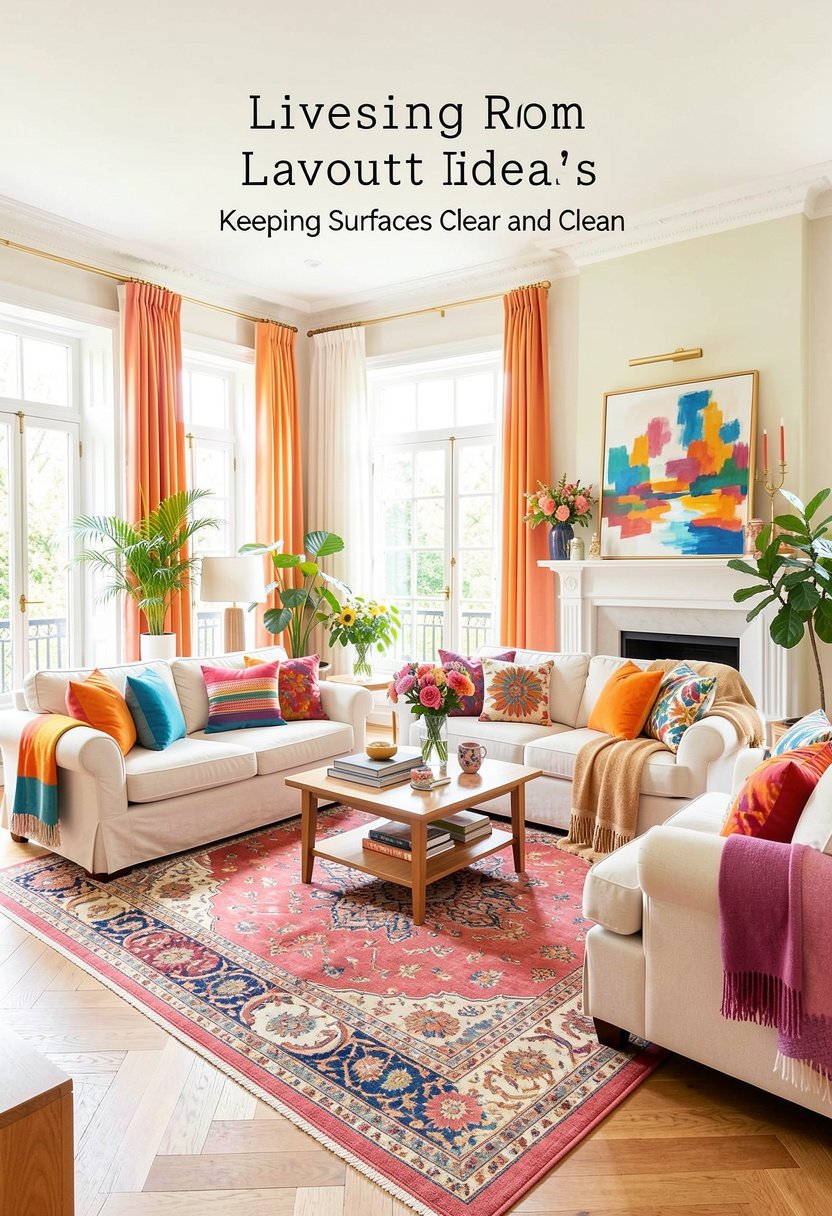
You can have the best living room ideas in the world, but if your tables are covered in junk, it will always look like a mess. Keep your surfaces clear, leaving only the things you actually use or really love to see. A clean table lets the room breathe and keeps the focus on your nice furniture, not your daily clutter. It is the ultimate final touch.
I make a habit of clearing my coffee table every night before bed. It takes two minutes, and it makes waking up the next day so much better. If you have a lot of small items, put them in a pretty tray. The tray acts as a container, making a bunch of loose things look like one intentional arrangement. It is a tiny, smart shift that works every time.
Don’t let your stuff own your living room, because you are the one who lives there, not your mail. Keep it tidy, keep it simple, and enjoy the open space you worked hard to create. If you do not love it, put it away. Your home is not a storage unit, it is your sanctuary. A clear surface is a clear mind, so keep those tables nice and tidy.
- Clear tables every night.
- Use trays for small items.
- Put away things not used.
- Focus on keeping surfaces open.
Final Thoughts
I hope these ideas help you fix your space and feel proud of your home. You do not need to spend a lot to make a room feel like it belongs in a magazine. Start with one thing, move your couch, or hang those curtains higher. It is all about trying things and seeing what feels right. You have got this, so go have some fun with your house today.
| Feature | Low Budget | High Budget |
|---|---|---|
| Rug Size | Large | Oversized |
| Furniture | Thrifted | Designer |
| Lighting | Lamps | Smart System |
| Curtains | Cotton | Silk |
| Art | Gallery | Original |
| Mirrors | Simple | Antique |
| Shelving | Basic | Built-in |
| Ottomans | Fabric | Leather |
| Tables | Painted | Stone |
| Cushions | Plain | Texture |
| Paint | Standard | Custom |
| Greenery | Potted | Installed |
| Storage | Boxes | Hidden |
| Flooring | Carpet | Wood |
| Layout | Functional | Open |
Frequently Asked Questions (FAQs)
Is It Okay to Put a Couch in the Middle of a Small Living Room?
Yes, absolutely. Putting your couch away from the wall creates a walking path and adds depth. It makes a room look larger because it stops the furniture from feeling like a wall. Try it, you will see the space open up immediately.
Can I Mix Different Furniture Styles in My Living Room?
You can mix them, but stay careful. Keep the colors or the scale similar so the room does not look like a garage sale. A little bit of mixing adds character, but too much makes a space feel chaotic and messy.
Are Round Coffee Tables Better Than Square Ones?
Round tables are often better for small rooms because they have no sharp corners to bump into. They help move traffic through the space smoothly. If you have kids, they are much safer, and they soften the room’s hard edges.
Do I Need a Rug in a Small Living Room?
You really should have one. A rug acts as a border for your furniture and makes your living area feel like a distinct, cozy place. Without a rug, your furniture often looks like it is just floating aimlessly around.
Does Painting My Living Room Make It Look Bigger?
Light colors definitely make a room feel bigger and brighter. If you keep the walls, curtains, and furniture in a similar tone, your eyes will travel further. This tricks your brain into thinking the room has more space.
Should I Hang Art High or Low?
Hang your art at eye level. Most people hang art way too high, and that makes the room feel disconnected. If you are grouping pieces, keep the center of the gallery at eye level so it feels right.
Can I Use Tall Shelves in a Tiny Room?
You can, but they must be anchored for safety. Tall shelves draw the eye up, which makes the ceiling feel higher. Just keep the heavy, dark stuff at the bottom and the light, pretty items on the top shelves.
Will Lighting Really Change How Big My Room Feels?
Lighting is a total game changer. A single overhead light makes a room feel flat and small. By using lamps at different heights, you create depth, interest, and warmth. This makes the space feel layered and much larger.