

Often, people buy a huge recliner, then they realize it eats the entire room. You cram it into a corner, you block a door, and you start hating the chair. It happens all the time. I have been there, and I know the pain of choosing comfort over actually being able to walk through your house.
Most folks think they need a giant space for a big chair. They are wrong. It is about how you place things, not how much room you have. You probably have a perfectly good spot for a recliner, but you are just looking at the room the wrong way. Forget the store display, they want you to think bigger is better.
I will show you how to fit a chair, move your stuff, and keep your sanity. You will learn to use the corners, balance the weight, and stop blocking the path. We will make your small living room look like it was designed by a pro, without the hefty price tag. Here are 14 recliner living room layout ideas that actually work.
1. Float the Chair by a Window

Stop pushing everything against the walls, please. It makes a room feel like a waiting area at a doctor office. When you float the recliner near a window, you get light, and you get a view. It turns the chair into a real spot, not just a place to stash coats or laundry.
Try putting the recliner at an angle, facing into the room. It feels inviting, and it breaks up the boring square lines of most furniture. If your window has a view, this makes the chair the best seat in the house. People always complain about losing space, but moving a chair two feet away from the wall fixes that.
This look gives the eye a place to land. It makes the room feel airy, light, and much larger than it really is. Do this today, and you will see the change.
- Pull the chair away from the wall.
- Face the chair toward the room.
- Use natural light to your advantage.
- Break up boxy, square room shapes.
2. Corner Placement for Extra Room

Corners are not just for cobwebs, they are actually prime real estate for a recliner. Most people act like corners are dead zones. I love a good corner setup because it keeps the flow of the room open. You tuck the chair in, and you save the middle of the floor for walking.
Angle the chair slightly toward the couch. This creates a cozy circle, perfect for talking to people. You stop the chair from feeling like it is in time out. Just make sure you leave space behind the headrest to recline safely. Nothing feels worse than hitting a wall every single time you want to nap.
This is the smartest way to use space. It keeps the area clear, and it makes the room feel cozy rather than crowded. Use the corners, because they are your best friends in a tight spot.
- Use corners to save floor space.
- Angle the chair toward the couch.
- Leave clearance for the back motion.
- Keep your floor traffic paths clear.
3. Pair with a Small Side Table
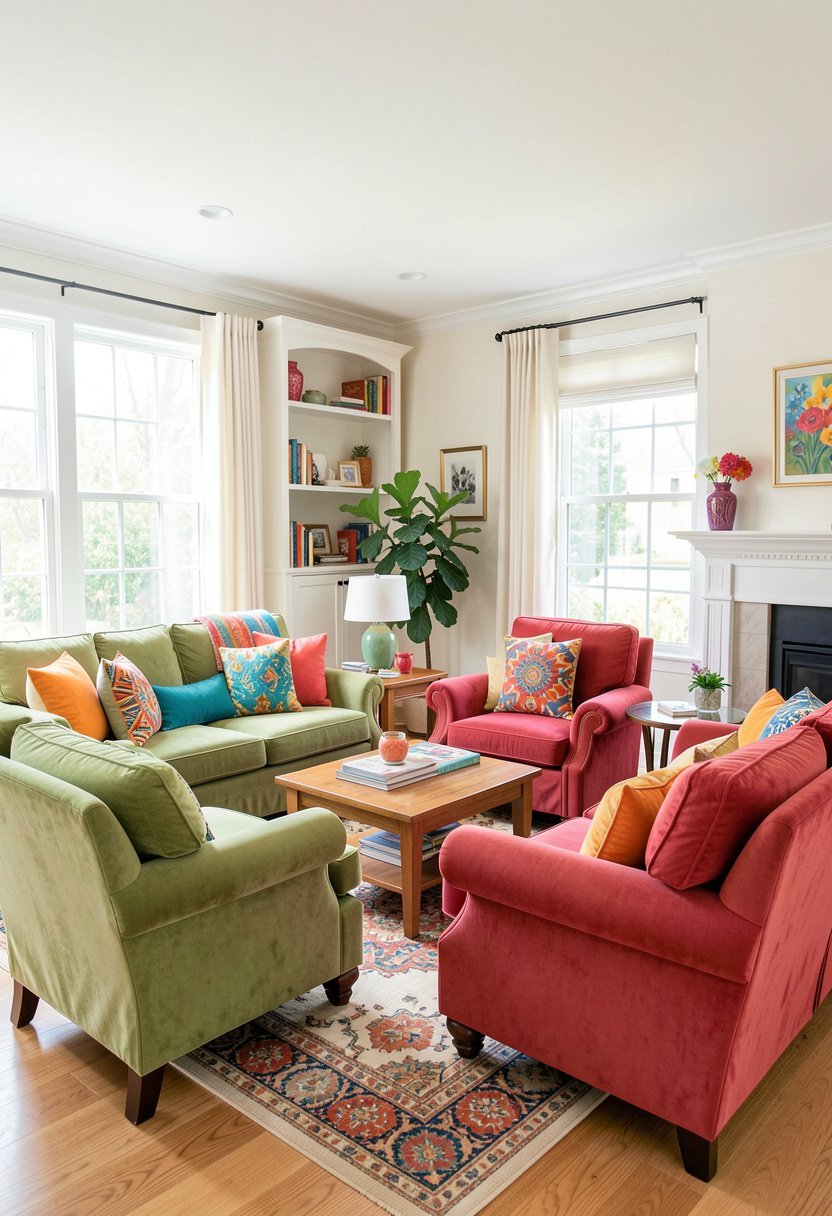
You need a place for your drink, your book, and the remote. A recliner without a table is just a sad, lonely island. Find a thin, tall table that fits right beside the arm. It should be level with the armrest, or your arm will get tired fast. Do not buy a massive trunk or a coffee table.
Those huge tables are just magnets for clutter. A slim table keeps the floor visible, which tricks the eye into thinking the room is bigger. I prefer metal frames with glass or wood tops. They look light, they do not weigh down the visual space, and they are incredibly easy to clean.
Stop cluttering your small space with heavy furniture. A light table does the job, looks sharp, and leaves your floor feeling open and free. Get a thin table, and you win.
- Match table height to armrests.
- Choose slim, open-frame side tables.
- Avoid bulky, heavy wooden trunks.
- Keep surfaces clear of clutter.
4. Mirror the Sofa Placement

Some people put a chair in the room and it looks like an afterthought. That is a mistake. You want your chair to feel like it belongs. If you have a sofa, put the chair across from it. This balances the room. It makes everything look like it was meant to be there, right from the start.
Try to keep the space between them open. If you have a coffee table, keep it small, or swap it for a soft ottoman. You need a path to move around. If you cannot walk from the door to the window, the layout is broken. Fix it by moving the pieces until you can move.
Balance is the key to a good room. When the chair talks to the sofa, you have a real room. It feels intentional, polished, and very comfortable for guests.
- Align the chair with the sofa.
- Keep the center of room open.
- Use a small ottoman for flexibility.
- Ensure clear walking paths exist.
5. Use the Chair As a Divider

In a tiny place, your living room might also be your kitchen or your office. You can use the back of a recliner to mark the space. It acts like a wall, but it does not block the light. I love doing this because it defines the zones without making the room feel like a cave.
Place the chair so its back faces the dining area or the entry. It creates a border, a signal that says this is the chill zone. It feels like a private club for your movie nights. You are using the furniture to do two jobs at once, which is a major win for small homes.
This layout works wonders for flow. It makes the room feel smart, organized, and totally under control. Use your recliner to set the stage for your home life.
- Divide rooms without using walls.
- Face the chair away from kitchens.
- Create distinct zones for relaxing.
- Keep the back of chair clean.
6. Swap Coffee Table for Ottomans

Big coffee tables are the enemy of small rooms. They are huge, they are heavy, and they block your legs. Get rid of that monster. Put two small ottomans in front of your recliner instead. You can move them when you need space, and they serve as extra seats when guests visit.
I have done this, and I never looked back. You can tuck them under a side table when you want the floor space back. They offer the same function as a table, but they are soft, light, and much more useful. Plus, you can kick your feet up without hitting a sharp wooden corner.
This is a clever trick for flexibility. It keeps the room flexible, light, and very functional. Why keep a giant table that you keep bumping your shins on?
- Replace heavy tables with ottomans.
- Create space for moving around.
- Use them for extra guest seating.
- Save legroom with soft edges.
7. Select a Wall-Hugging Model

If you have truly zero space, stop buying standard recliners. They need huge clearance from the wall to open up. You will end up pushing them so far forward that you lose your entire living room. Get a wall-hugger chair instead. It is built to slide forward, not back.
These chairs are lifesavers. You can put them inches from the wall, and they still recline fully. It is pure magic for small rooms. I have seen so many people waste space because they did not know these existed. Do not be that person. Buy the right chair, and the layout happens on its own.
These chairs change the game. They save so much space that you can add another plant, or a lamp, or just room to dance. It is the best investment.
- Choose models with forward motion.
- Place furniture closer to walls.
- Save space for other decor items.
- Research the mechanism before buying.
8. Focus On Vertical Lighting

Small rooms need help from the ceiling down. If you put a big floor lamp next to your recliner, you lose floor space. Use a wall-mounted light instead. It swings out when you need it and hides away when you do not. It frees up your floor and makes the chair look very fancy.
I hate floor lamps that get in the way. You trip over them, or the cat knocks them over. Wall lights are solid, clean, and modern. They bring the light exactly where you need it, which is right over your shoulder for reading. It is a simple swap that makes the whole room feel bigger and brighter.
This keeps the floor clear for rugs or more room to walk. It looks professional, neat, and very intentional. Stop wasting floor space on lamps that hog the area.
- Install wall-mounted reading lights.
- Clear the floor of lamp bases.
- Focus light on the chair area.
- Choose lights that swing away.
9. Keep the Floor Visible

Visible floor space is the secret to a big-looking room. If your recliner has big, bulky skirts that hide the legs, change it. Get a chair with exposed legs. When you can see the floor underneath the chair, your brain thinks the room is larger. It is a simple optical trick that works every single time.
Heavy, skirted furniture looks like a boulder sitting on your rug. It is suffocating. I always pick chairs that show some air underneath. It makes the room feel light and airy, even if it is tiny. You want the eye to travel across the floor without stopping at every heavy block of fabric.
This is a design secret that most people miss. It makes a room feel open, fresh, and modern. Go for the legs, and see the difference it makes.
- Pick chairs with visible legs.
- Avoid skirts that touch floor.
- Let light move under the chair.
- Create a sense of open space.
10. Use Minimalist Rugs

A rug is great, but a massive, busy rug will shrink your room. Use a rug that is just big enough to fit under the front feet of your recliner. It defines the space without taking over. Keep the pattern simple. A loud, crazy rug makes a small space feel like a frantic mess.
I love neutral rugs. They let the furniture shine, and they do not make the room feel cluttered. If the rug is too big, it hides all the nice floor you have. If it is too small, the chair looks like it is floating in space. Get the size right, and your recliner will look perfectly placed.
A rug is a border, not a blanket for the whole house. Keep it simple, keep it small, and keep it neat. It will tie the room together nicely.
- Size the rug for front legs.
- Choose neutral colors for rugs.
- Avoid busy, loud carpet patterns.
- Define the zone without clutter.
11. Declutter the Walls

Walls are not meant to hold every photo you own. In a small room, too many pictures make the space feel like it is closing in on you. Keep the wall behind your recliner simple. One large piece of art is way better than ten tiny, messy frames. It gives the eye a single place to focus.
I have seen rooms where the walls were so full, I felt dizzy. Do not do that. Give your eyes a break. A clean wall behind the chair makes the recliner look like a star. It creates a calm vibe, which is exactly what you want when you are sitting back to relax after work.
Clear walls allow the room to breathe. They make a tiny space feel like a sanctuary, not a storage unit for your stuff. Less really is more.
- Use one large art piece.
- Avoid excessive wall decor items.
- Create a calm, focused wall.
- Let the room breathe easily.
12. Mix Materials Wisely

Don’t match everything perfectly. If you have a leather sofa, get a fabric recliner. If everything is the same color and texture, your room will look like a showroom floor from the nineties. It is boring, it is flat, and it has zero personality. Mix it up to add some life to the room.
I like to play with velvet, leather, and linen. They all feel different, and they look great together. A soft recliner next to a structured sofa adds depth. It makes the room feel curated, like you actually know what you are doing. Just stick to a color family, and you are golden.
Mixing makes a small room feel collected over time. It gives it soul. Do not be afraid to break the rules of matching sets. They are usually just lazy design choices.
- Mix leather with soft fabrics.
- Create texture with different materials.
- Stay within one color family.
- Avoid buying total matching sets.
13. Incorporate Vertical Storage

Since your floor is precious, use your walls for storage. Put a shelf above the recliner. It is the perfect place for books or plants. Just do not put anything heavy or sharp, or you will regret it when you lean back. A nice, sturdy floating shelf keeps your junk off the floor.
I love using shelves to hold things I need. It keeps my side table clear, and it adds height to the room. When you add height, you draw the eye up, which makes the ceiling feel higher. It is a total win for anyone living in a small place. Get stuff off the ground.
Vertical storage is a lifesaver. It is clean, it is smart, and it saves your sanity. Don’t let your stuff take over the floor. Put it on the wall.
- Install sturdy floating wall shelves.
- Store items to clear floor.
- Draw eyes upward with height.
- Keep shelf decor very simple.
14. Keep Paths Clear

This is the rule of all rules. If you cannot walk comfortably to the window, the recliner is in the wrong spot. I see people sacrifice their ability to move just to have a chair. That is insane. Your house needs to work for you, not the other way around. Move things until it is easy.
If you have to shuffle sideways to get past the recliner, move the recliner. Maybe put it in a corner. Maybe move the sofa. Do not stop until the path is wide and clear. A house that is hard to walk through feels like a cage. A house with clear paths feels like a home.
Prioritize your movement. It makes the space feel larger and more respectful of your daily life. Clear the path, and you will be much happier.
- Ensure wide walking paths daily.
- Move furniture to clear exits.
- Never sacrifice movement for decor.
- Test paths before finalizing layout.
Final Thoughts
I hope these ideas help you rethink your living room. It really does not have to be a struggle to fit a recliner into your home. You just need to be smart, move things around, and stop following those rigid rules about matching furniture sets. Take your time, try a few spots, and make the space your own. You have got this, and it is going to look great.
| Layout Tip | Benefit for Space | Difficulty Level |
|---|---|---|
| Float Near Window | Adds Airy Feel | Low |
| Corner Nook | Saves Floor Space | Low |
| Slim Side Table | Reduces Clutter | Low |
| Mirror Sofa | Balanced Look | Medium |
| Chair Divider | Defines Zones | Medium |
| Soft Ottomans | Adds Flexibility | Low |
| Wall-Hugger | Saves Clearance | Medium |
| Wall Lighting | Clears Floor | High |
| Exposed Legs | Visual Weight | Low |
| Minimalist Rug | Frames Area | Low |
| Clean Walls | Open Vibe | Low |
| Mix Materials | Adds Personality | Medium |
| Vertical Shelf | Extra Storage | High |
| Clear Paths | Better Flow | Low |
| Room Balance | Comfort | Medium |
Frequently Asked Questions
Is a Recliner Always Too Big for a Small Living Room?
No, that is just a myth. If you pick a slim, wall-hugger model, it will fit perfectly. You just need to measure your space, check the clearance, and stop buying oversized, overstuffed chairs that look like they belong in a stadium, not a small apartment.
Can I Put a Recliner in Front of a Window?
Yes, you absolutely can. It is a fantastic way to brighten up your seating area. Just make sure the back of the chair is not so high that it blocks all your light. It creates a perfect, cozy reading nook that feels very intentional.
Are There Specific Chair Shapes for Tight Spaces?
Yes, look for chairs with narrow arms and exposed legs. Bulky, wide arms take up way too much room. A sleek, modern design gives you the comfort you want without the extra width that makes a small room feel like a cramped, stuffed closet.
Do I Need a Matching Sofa for My Recliner?
No, do not do it. Matching sets are boring and they make your home look like a store catalogue. Mixing fabrics and textures makes your room feel like a real home that you actually designed yourself. It adds way more personality to the space.
Does a Recliner Have to Touch a Wall?
Not at all. Floating a chair in the middle of a room, or angled near a corner, makes a room feel much larger. It breaks up the lines of the room and makes everything feel more open, airy, and very well planned.
Should I Use a Rug Under a Recliner?
Yes, a rug helps define the space. Just keep it sized so that the front feet of the chair sit on it. Do not get a giant rug that covers everything, as that makes a small room feel even smaller than it really is.
Will a Wall-hugger Recliner Work for Me?
If you have limited space, it is the only way to go. These chairs move forward instead of back when you recline. You can keep them almost touching the wall, which saves you inches of precious floor space for other important items.
Does Lighting Affect the Size of the Room?
Yes, absolutely. Using wall-mounted lights instead of big floor lamps keeps your floor clear. Seeing more floor space makes your eyes perceive the room as bigger. It is a simple trick, but it is one of the most effective things you can do.