

What if you could walk through your front door, and feel calm right away, instead of bumping into your sofa? I have been there, dragging my heavy bags into a cramped room, and hating the mess. It turns out that having 10 front door living room layout ideas helps you fix this flow, once and for all.
Most people shove a giant chair against the wall, right by the door, and then wonder why they feel so crowded. That is just bad advice, and I am tired of seeing it ruin homes. You deserve a space that breathes, and lets you move, without tripping over your own feet every single time you arrive home.
In this guide, I will show you how to swap things around, create zones, and finally make your entryway feel like a real part of the room. You will learn how to ditch the clutter, group your items, and make your mornings run smooth, fast, and happy. Let us get to work.
The Floating Sofa Trick
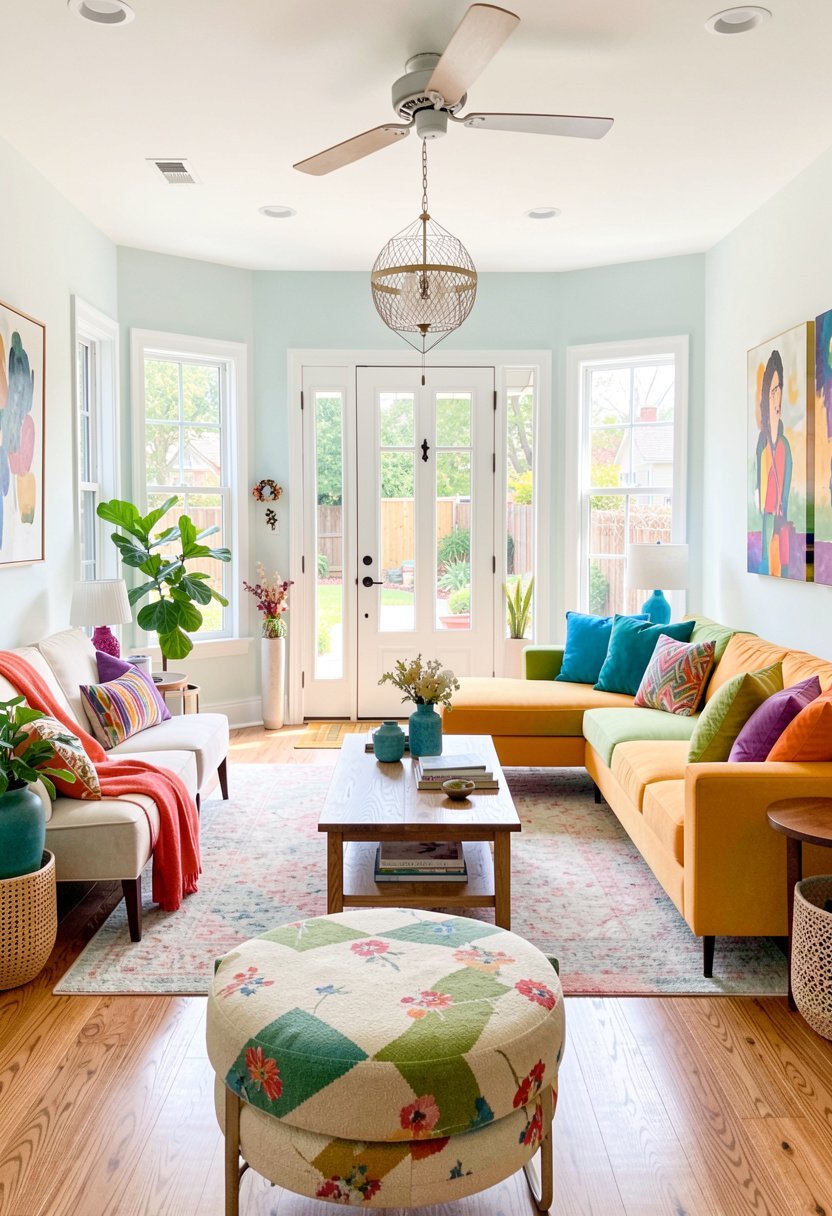
Pushing your furniture against the wall is the biggest mistake you can make, honestly. It makes the room look small, and it makes you look like you are scared of your own space. I tried pulling my couch into the center, and the difference was huge, like adding a whole new room.
By pulling the sofa away from the wall, you create a natural path behind it for walking. This stops the traffic jam at the door, and it gives you a cozy spot to sit. Do not worry about the back of the sofa, just throw a nice blanket or a tall plant there to hide it.
You will love how much more open the living room feels, when the sofa is floating. It keeps the energy moving, and it defines the space, without making it feel like a hallway. Just trust me on this one, move your couch away from the wall, and see how much better your life feels.
- Float your couch to create a clear walking path.
- Use a rug to anchor your floating furniture zone.
- Cover the sofa back with a simple throw blanket.
- Place a tall plant behind the couch for height.
Use a Slim Console Table

Stop dumping your keys and mail on the dining table, it drives me crazy. You need a landing spot, right by the door, but it cannot be a giant monster that steals all your floor space. A slim, tall console table is the hero of your home, and it saves your sanity daily.
Pick one that is narrow, and fits flat against the wall, so you never bump your hip on it. I love adding a tray on top, so my keys go in one spot, and my mail goes in another. It keeps the clutter from crawling into the living room, and that is worth every penny.
If you have a tiny entryway, this is the only way to go, seriously. Do not try to jam a big dresser in there, it will just make your life harder. Keep it light, keep it slim, and your morning routine will finally stop feeling like a desperate scavenger hunt for your lost wallet.
- Choose a narrow table to save precious floor space.
- Add a small tray for your keys and loose change.
- Mount a mirror above to check your look quickly.
- Tuck a basket under the table for your spare shoes.
Create a Defined Entry Zone

People often let the front door just spill into the living room, with no clear break. This makes the whole house feel like a messy dorm room. You need to draw a line, using a rug or even just a change in floor color, to tell your brain where the door ends.
I used a big, flat rug right at the threshold, and it worked like magic. It captures the dirt, it looks crisp, and it separates the entry from the seating area. You do not need a wall to make a room, you just need a soft edge to signal the change.
Stop letting your stuff wander into the living room, and start giving it a home of its own. A well defined entry keeps your floor plan looking sharp, and keeps your morning coffee away from the muddy shoes. It is a simple shift, but it makes the home feel so much bigger.
- Use a sturdy runner rug to mark the entry.
- Pick a rug that is easy to scrub clean.
- Keep your main seating rug separate from the entry.
- Add a small bench if you have extra room.
Add a Vertical Coat Rack

Do you throw your coat on the nearest chair, and then forget it exists? We have all done it, but it looks terrible and ruins the vibe of your cozy living room. Stop wasting time searching for your jacket, and put it on a nice, tall coat rack instead.
A slim rack uses space that nobody needs, which is the wall height. I found a wooden one that looks like a sculpture, so it adds style while doing the hard work. Do not hide it in the closet, let it be part of the room, and keep your life moving fast.
If you have kids, get a rack that has hooks at their level, so they can help too. It keeps the floor clear of junk, which is the only way to stay sane in a small home. A clean floor makes a room feel massive, even if you are living in a tiny box.
- Pick a vertical rack to save floor space.
- Place it close to the door for easy reach.
- Use nice wooden hangers for a polished look.
- Ensure the base is heavy so it stays stable.
Use Mirrors to Bounce Light
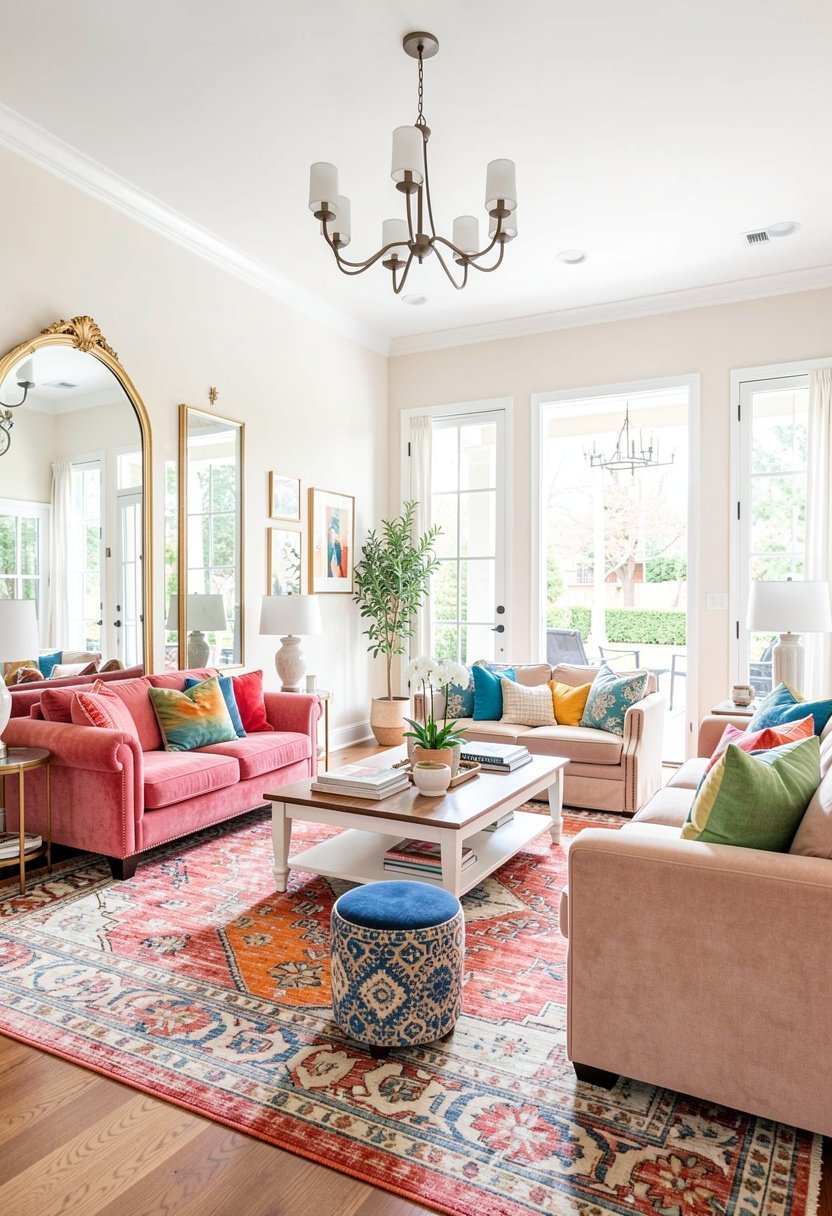
Small rooms near the front door feel like caves, which is just depressing. I added a giant mirror right across from the door, and the room suddenly felt like it doubled in size. Mirrors are the best trick for home styling, and they make dark mornings feel bright and sunny.
You want a mirror that hits the light from your windows, and throws it back into the hallway. It does not have to be fancy, just big enough to do the work. Stop buying art that hides the walls, and get a mirror that brings in more life instead.
It also helps you check your face before you walk out, which is a nice bonus. Do not get a mirror that is too heavy to hang, because that is a total headache. Keep it simple, keep it big, and watch how the morning light makes your whole living room glow.
- Hang a large mirror to grab morning light.
- Face the mirror toward your brightest window.
- Choose a simple frame to keep the look clean.
- Mount it at eye level for a quick check.
Try Open Cube Storage

If you have too much junk, you need a way to hide it, without closing off the room. Open cubes are the answer, and they are way better than a closed cabinet that feels like a wall. I use these for shoes and bags, and it keeps everything off the floor.
You can stack them low, so they double as a bench, or go tall if you need more storage. They keep the room feeling airy, because you can see right through them. Do not buy those cheap plastic ones, they look sad, so get wood or metal instead.
Keep your stuff in labeled bins, so you never lose your umbrella again. It makes the interior design look intentional, and not like you just dumped your trash by the door. This is how you keep your morning calm, because you know exactly where your gear is, every single day.
- Use open cubes to keep the room feeling light.
- Stack them low to create a handy seating bench.
- Add fabric bins to hide the messy small stuff.
- Keep the cubes color coordinated for a clean look.
Add a Bench with Secret Storage

A bench by the door is a total life saver, and I will die on this hill. It gives you a place to sit while you put on your boots, and it keeps your shoes off the floor. But do not buy a boring bench, get one with a lid that opens up.
This is where you hide the stuff you use once a week, like extra scarves or umbrellas. It keeps the entryway decor looking perfect, while secretly holding all your junk. I love how it looks like a nice piece of furniture, and not a plastic shoe pile.
Make sure the top is padded, so it is comfy when you sit down. Do not shove it in the corner, put it where it makes sense for walking. This is the one piece of furniture that actually does two jobs, and it does both of them really well, I promise.
- Buy a bench with a lid for extra storage.
- Pick a soft fabric top for added comfort.
- Use the inside space for seasonal gear items.
- Place it against a wall to save room space.
Use Plants to Soften Edges

Sometimes a living room feels too hard, especially near the door where all the edges meet. I added a big snake plant by the door, and it changed the whole mood. Plants bring softness and life, which is exactly what a modern home needs to feel welcoming.
Do not get a plant that needs a ton of sun, or you will kill it in a week. Get a tough one that handles the low light of an entryway. It acts like a green guard, and it separates your living area from the front door, without a heavy wall.
I think people try too hard with fake flowers, so just get a real plant, and let it do the work. It makes the space feel happy, and it cleans the air, which is a great way to start the morning. Keep it in a nice pot, and you are all set.
- Select a low light plant for your entry.
- Place the plant in a heavy, sturdy pot.
- Use a green plant to break up hard lines.
- Water your plant on a regular weekly schedule.
Add Task Lighting

Have you ever tried to find your keys in the dark? It is the worst way to start the day. You need a dedicated light near the door, and it should be bright enough to see, but not so bright it hurts your eyes. A small wall lamp is my favorite fix.
It does not take up any space, and it looks fancy, like a high end hotel. I put mine on a dimmer, so I can keep it low at night, and bright when I need to find my stuff in the morning. It helps define the furniture arrangement, and makes the entry feel special.
Don’t rely on the big ceiling light, it makes the room look flat and sad. Use a lamp that casts a warm glow, and makes you feel happy when you walk inside. It is a tiny change, but it makes your house feel like a home, every single day.
- Install a wall lamp for quick morning tasks.
- Choose a bulb with a warm, soft yellow glow.
- Use a dimmer switch to adjust your light intensity.
- Mount the light at a height that avoids glare.
Keep the Floor Clear
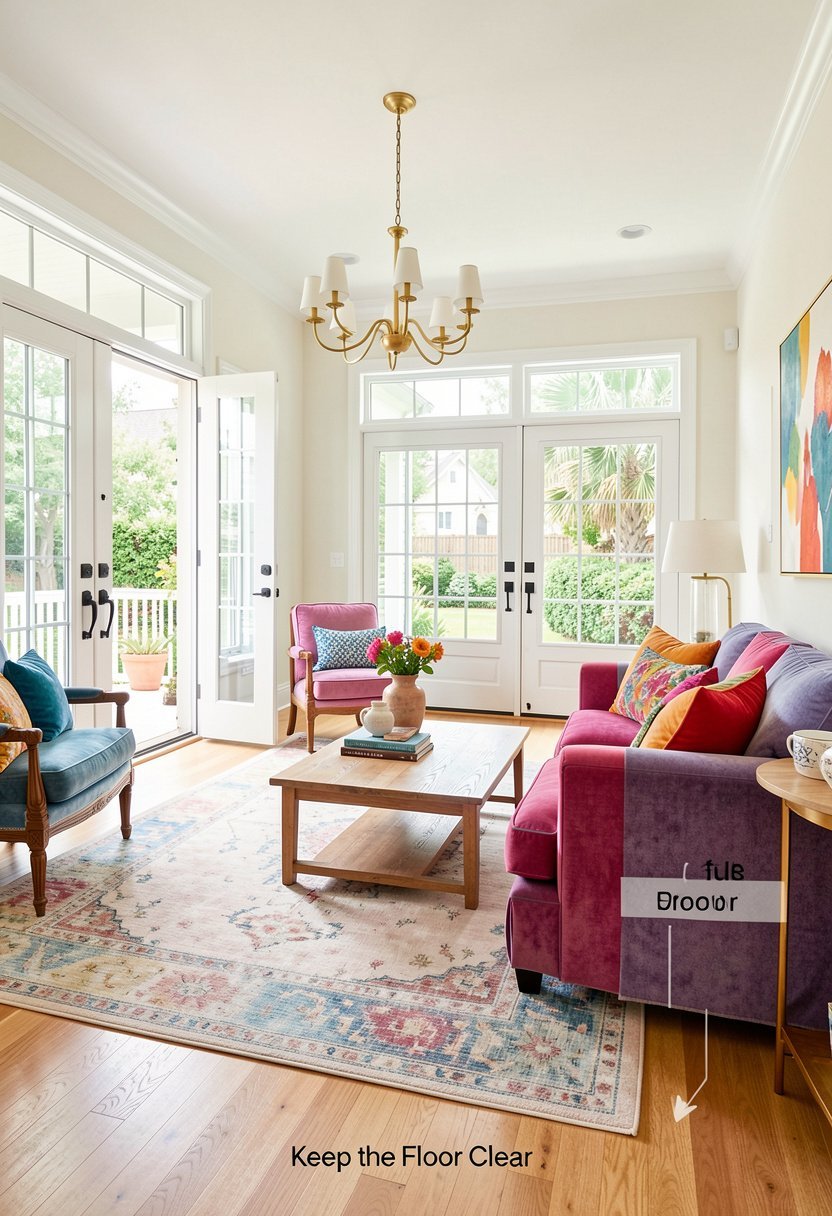
I see people cluttering the entry floor with piles of shoes, and it makes my heart ache. Your living room needs to breathe, and the floor is the first thing you see. Keep it clear, and your morning mood will be ten times better, I am not joking.
I hung a shoe rack on the back of the door, and it cleared the whole floor. Now, I have space to move, and the living room feels huge. Do not let your boots take over your home, give them a spot that isn’t under your feet, and enjoy the space.
If you have guests, they will love not tripping over your sneakers. It makes your home look so much more organized, and it shows you care about your living space. It takes five minutes to fix this, so do it today, and thank me when you have space to walk.
- Mount a shoe rack to clear the floor.
- Use the back of your door for storage.
- Keep the main traffic path free of items.
- Teach your family to put shoes away daily.
Final Thoughts
I hope these ideas help you fix that awkward space by your door. It is so easy to settle for a mess, but you really deserve better. Start with the rug or the mirror, and see how the room changes. Once you clear the floor and add a little light, your mornings will finally feel calm and easy. You have got this, so go have fun.
| Layout Idea | Space Need | Main Benefit |
|---|---|---|
| Floating Sofa | Large | Open Flow |
| Slim Console | Small | Landing Spot |
| Entry Zone Rug | Medium | Defined Area |
| Coat Rack | Small | Vertical Storage |
| Mirror Use | Small | Extra Light |
| Open Cubes | Medium | Visible Storage |
| Storage Bench | Medium | Hidden Gear |
| Plant Life | Small | Soft Vibe |
| Task Lighting | Tiny | Bright Mornings |
| Clear Floor | Any | Open Space |
| Wall Hooks | Small | Quick Access |
| Basket Storage | Small | Mess Taming |
| Corner Shelves | Tiny | Hidden Decor |
| Low Bench | Medium | Easy Sitting |
| Shoe Rack | Small | Floor Saving |
Frequently Asked Questions
Is It Okay to Put a Sofa Near the Front Door?
Yes, it is perfectly fine, if you leave enough space to walk. Do not block the door, or your home will feel like a trap. Pulling the sofa a few feet away from the entrance creates a nice buffer, and makes the room feel much more intentional.
Can I Use a Rug to Divide the Living Room?
Absolutely, a rug is the best tool for this. It acts like a soft wall that you can see through. Placing a runner at the door and a different rug in the seating area tells the eye exactly where one zone ends and the next begins.
Are Tall Coat Racks Bad for Small Rooms?
They are actually great because they use the height, not the floor space. If you choose a sleek design, it looks like art. Just make sure the base is heavy, so it does not tip over when you hang a heavy winter coat on it.
Do I Need a Mirror in the Entry Area?
You do not need one, but you will really want one. Mirrors bounce light around, which makes small areas feel huge. Plus, it is a great spot to check your look before you head out the door for your day. It is a total pro move.
Does a Bench with Storage Help with Clutter?
It is a massive help, honestly. It gives you a place to sit, and it hides all the junk that usually ends up on the floor. Stashing your umbrellas, extra bags, or hats inside keeps the room looking clean and organized all the time.
Should I Keep the Living Room Floor Totally Empty?
You do not need it empty, but you should keep the path to the door clear. Nothing kills a room faster than tripping over shoes or bags. Keep your traffic lanes open, and your room will feel twice as big as it does today.
Will a Plant Die in My Dark Entryway?
It depends on the plant, but most will be fine with low light. You just need to pick the right one, like a snake plant. These guys are basically impossible to kill, and they add that green touch without needing a giant window nearby.
Do I Really Need Extra Lighting by the Door?
You absolutely do. Nothing is more annoying than fumbling for your keys in the dark. A small lamp makes everything easier, and it creates a warm, welcoming vibe. It is a tiny investment that makes your mornings much smoother and more pleasant.