

While people think living in a tiny home is a nightmare, I actually think it is a secret gift. You do not need a mansion to have a cool home, and you certainly do not need to spend your entire savings account to make it look great.
Most people fail because they try to force huge furniture into a tiny box. It makes the room look like a warehouse, or worse, a claustrophobic mess. I have seen so many bad layouts that make me want to cry, but you can fix this with a little bit of common sense.
You will learn exactly how to use 14 small spaces living room ideas to make your place look twice as big. We will look at smart furniture, better lighting, and ways to cheat the eye with paint. Stop worrying about your floor plan, and let us get to work.
Choose Low Profile Furniture
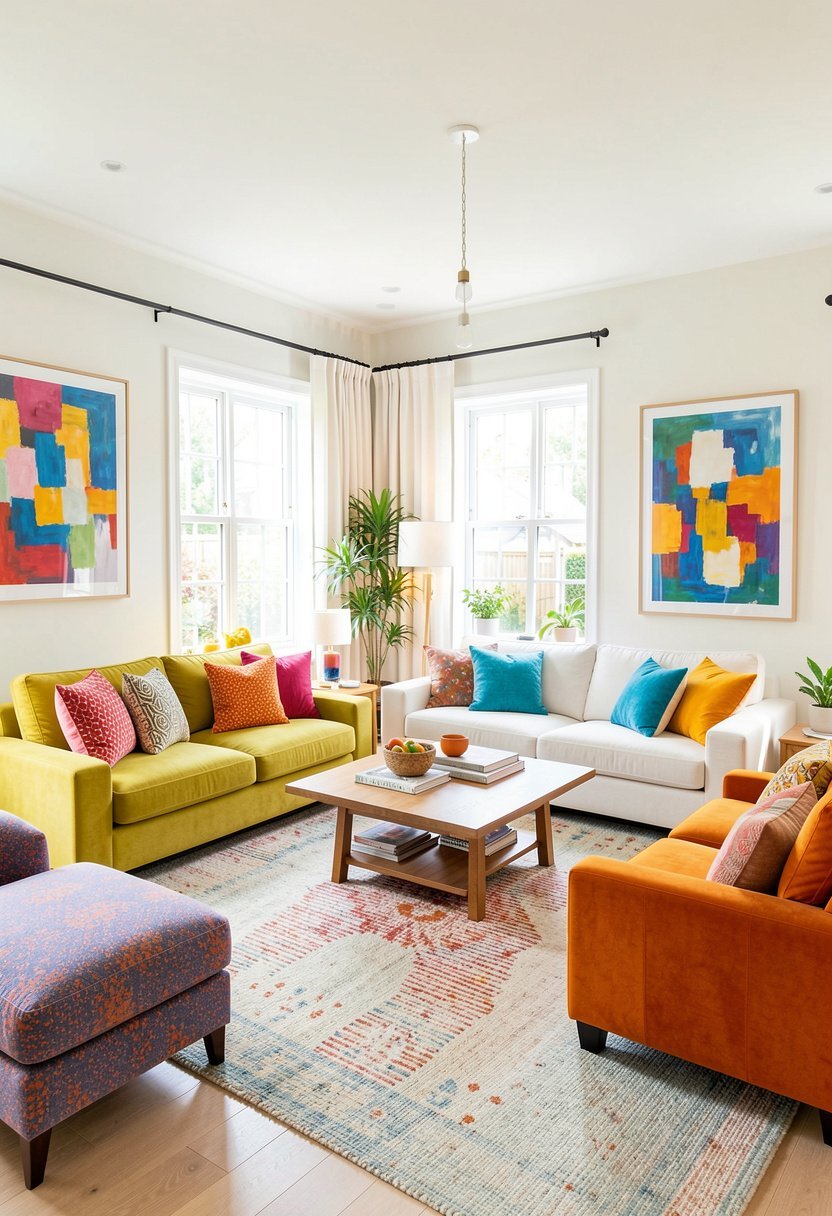
The biggest mistake people make is buying bulky sofas that touch the ceiling. You want pieces that sit low to the ground, because they keep your sight lines clear. It makes your room feel taller, and it stops the space from feeling heavy.
I always suggest finding a couch with thin legs. When you can see the floor under your chair, your brain thinks the room is bigger. Do not fall for the trap of overstuffed recliners, because they just eat up your precious air.
Go for sleek lines, and keep the fabric light in color. A dark velvet couch in a small room is basically a black hole. Save your money, buy something slim, and let your room breathe. Trust me, your back might hurt from the low seats, but your home will thank you.
- Use furniture with exposed legs.
- Avoid dark colors on big items.
- Keep backs of chairs low.
- Pick slim armrests over bulky ones.
Use Mirrors to Cheat
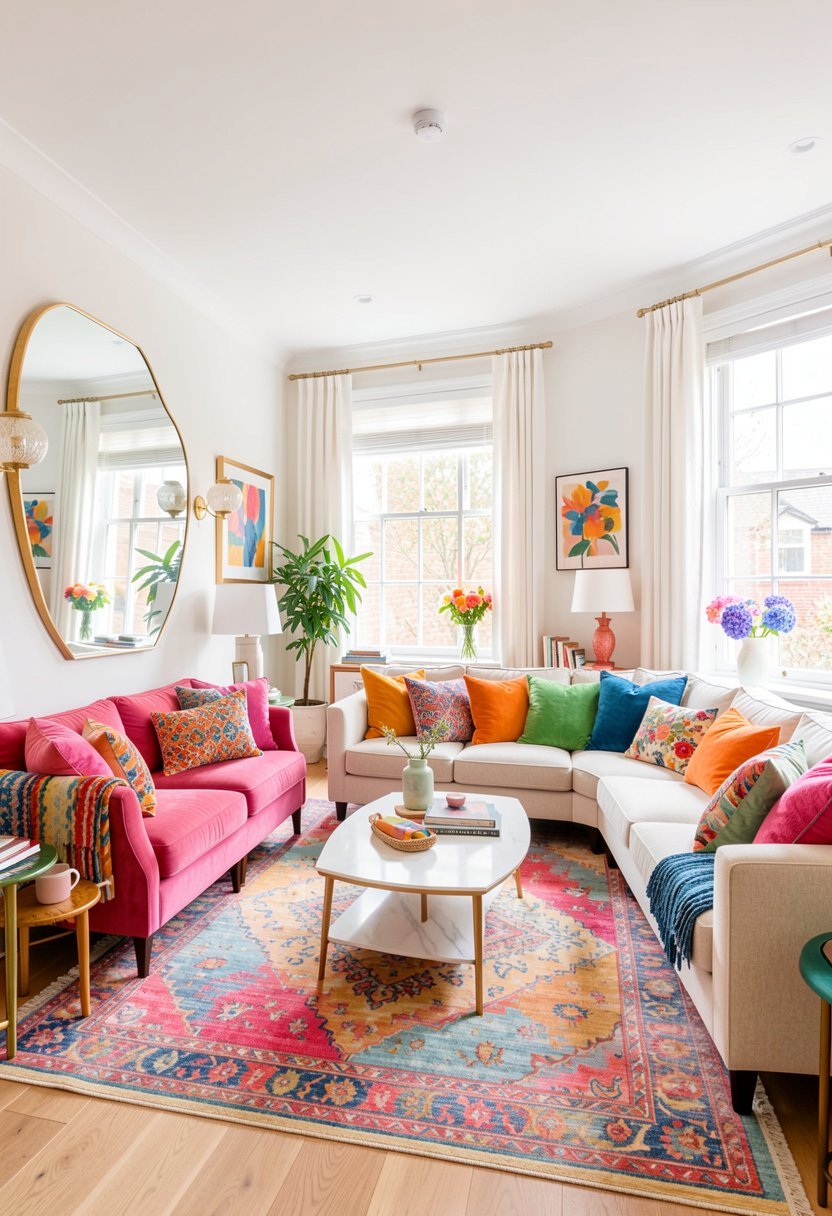
Mirrors are the oldest trick in the book, yet people still mess them up. You should place a large mirror right across from a window. It bounces light around, and it gives the illusion of a fake window. It is magic, really.
Some people hang tiny mirrors that do nothing at all. Do not be that person. Go big, or go home, because a tiny mirror is just a decoration on a wall. You want a big piece that reflects the whole room.
I have used cheap mirrors from big box stores, and they work perfectly fine. You do not need some fancy frame to make this work. Keep the frame simple, thin, and clean. It is an easy way to fake depth, and it costs almost nothing.
- Place mirrors opposite of windows.
- Use large mirrors for impact.
- Keep frames thin and simple.
- Avoid wavy or distorted glass.
Floating Shelves Save Floors
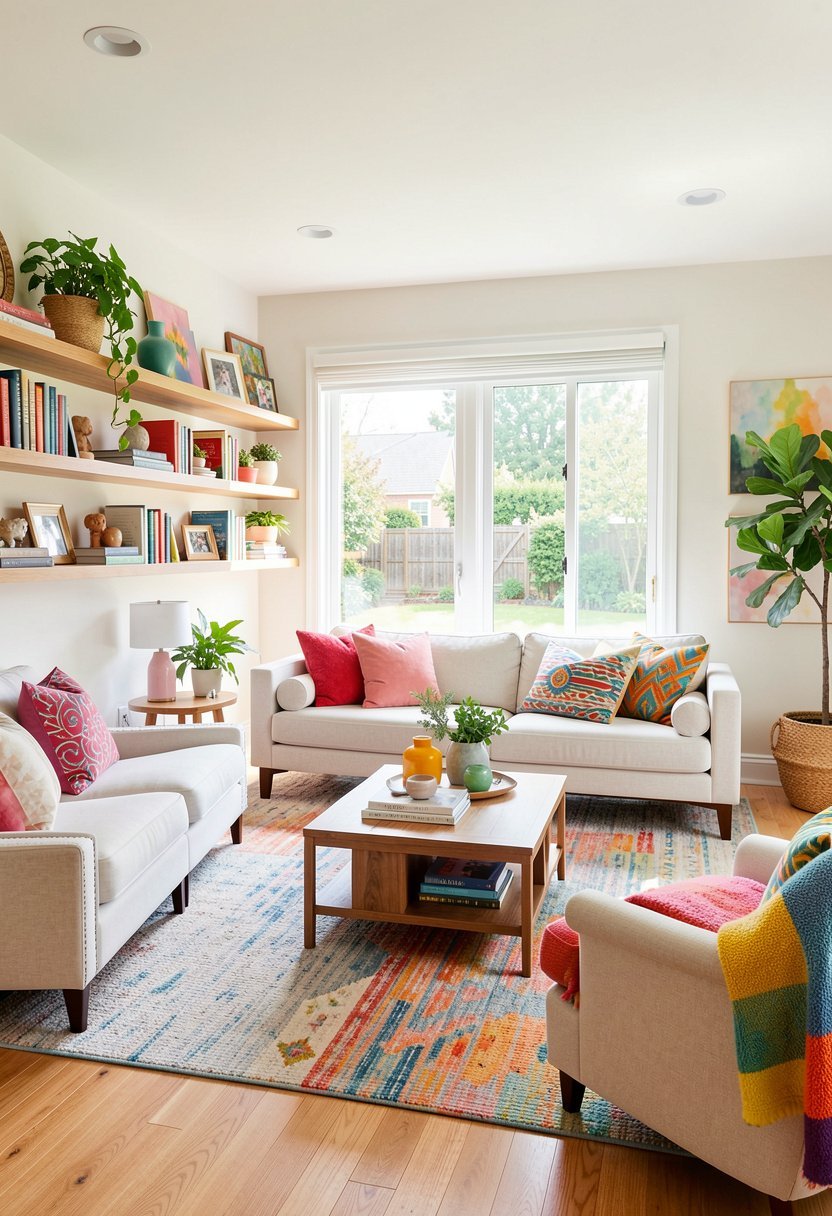
Floor space is like gold in a tiny room, so stop wasting it on big bookcases. Floating shelves give you storage, but they do not take up an inch of your floor. They disappear into the wall, and they keep the room feeling light.
I see people stacking boxes on the floor, and it drives me crazy. Just clear your floor, and put your stuff on the walls. It makes cleaning easier, and it makes the room look much more open. It is a win for everyone.
Do not overload them, or they look like a cluttered mess. Keep them clean, simple, and organized. Use them for your favorite books or a small plant. It is a classy move, and it shows you know how to style a room.
- Mount shelves at eye level.
- Use wood that matches floors.
- Limit how much you display.
- Install them with hidden brackets.
Multi Use Tables Are Best
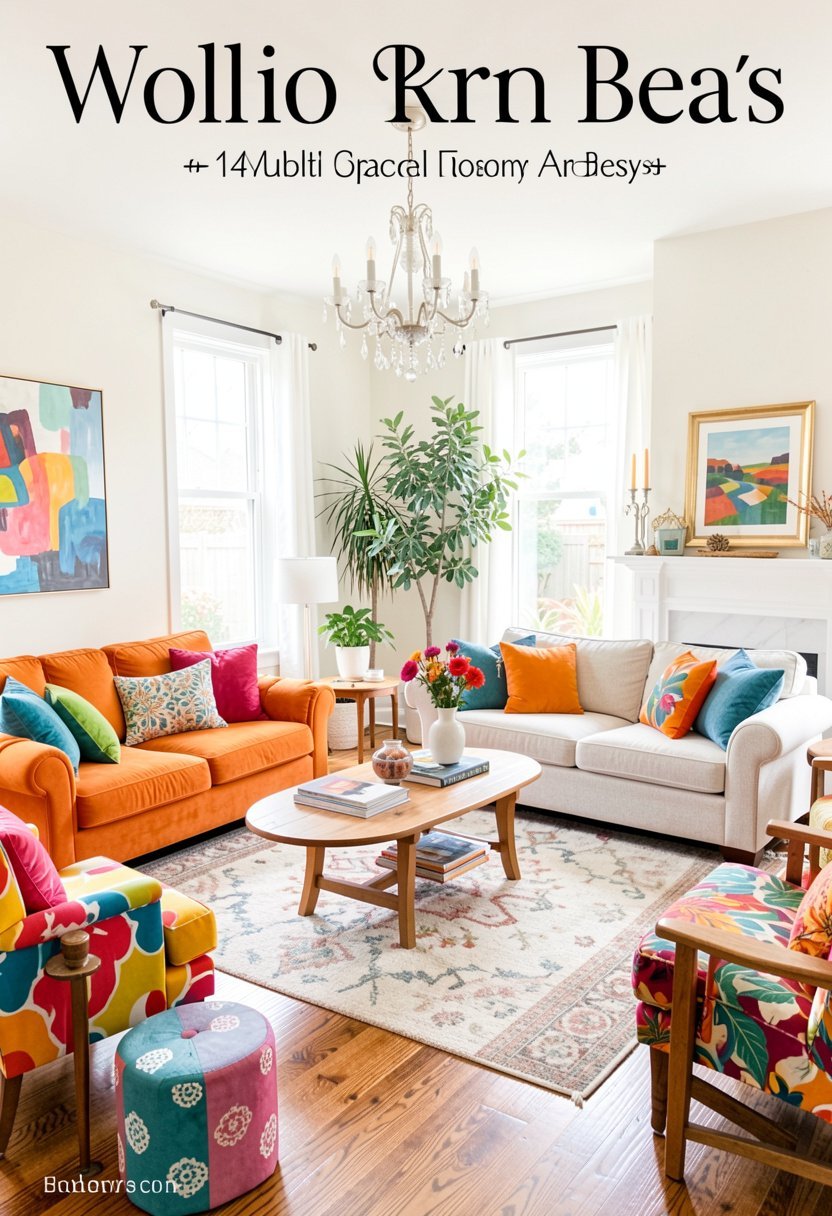
A coffee table that is just a table is a waste of space. You need a piece that works overtime, like an ottoman with storage inside. You can put your feet up, store your blankets, and hide your messy magazines. It is pure genius.
I have had many tiny apartments, and my storage ottoman saved my life. Do not buy a glass table, because it just gets smudged. You want something that hides your clutter, because clutter is the enemy of a small room.
Stop buying things that do one job. If it can hold stuff and provide a seat, buy it. You will save so much cash, and your room will stay clean. It is a small change that makes a huge impact on your home.
- Find ottomans with hidden space.
- Look for tables with shelves.
- Use trays to organize tables.
- Keep surfaces clear of trash.
Vertical Stripes Add Height
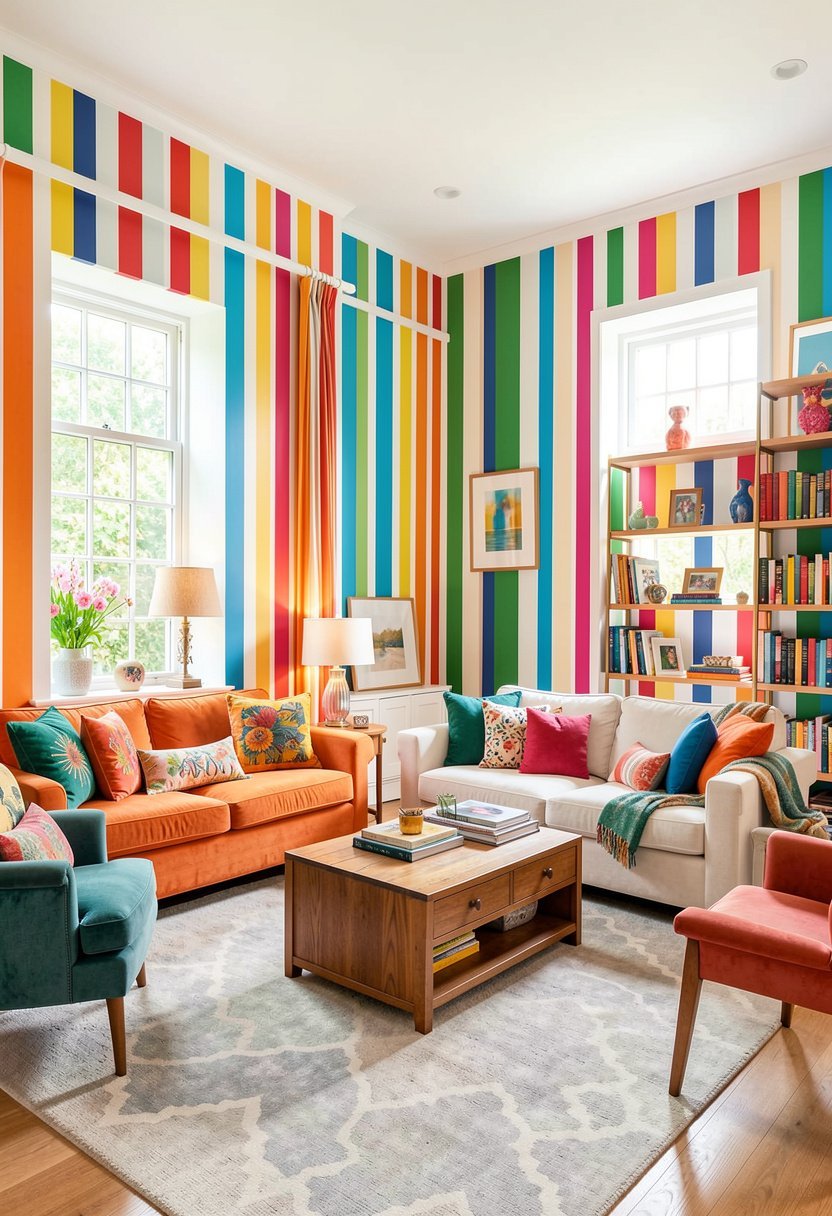
If your room feels like a cave, you need to use paint to pull it up. Painting thin vertical stripes on a wall forces the eye to look toward the ceiling. It is a simple optical illusion, and it works every time.
Many people are scared to try paint, but it is just wall color. If you hate it, you can just paint over it. Do not let fear stop you from making your room look better. Go for soft colors, like beige or white.
I have seen people try bold colors, but that often makes a room look smaller. Stick to light tones, and keep the stripes very subtle. It is not about making a loud statement, it is about tricking your eyes. It is very clever.
- Use light paint for stripes.
- Keep lines clean and straight.
- Paint the ceiling matching white.
- Avoid using too many colors.
Clear Items Keep Flow
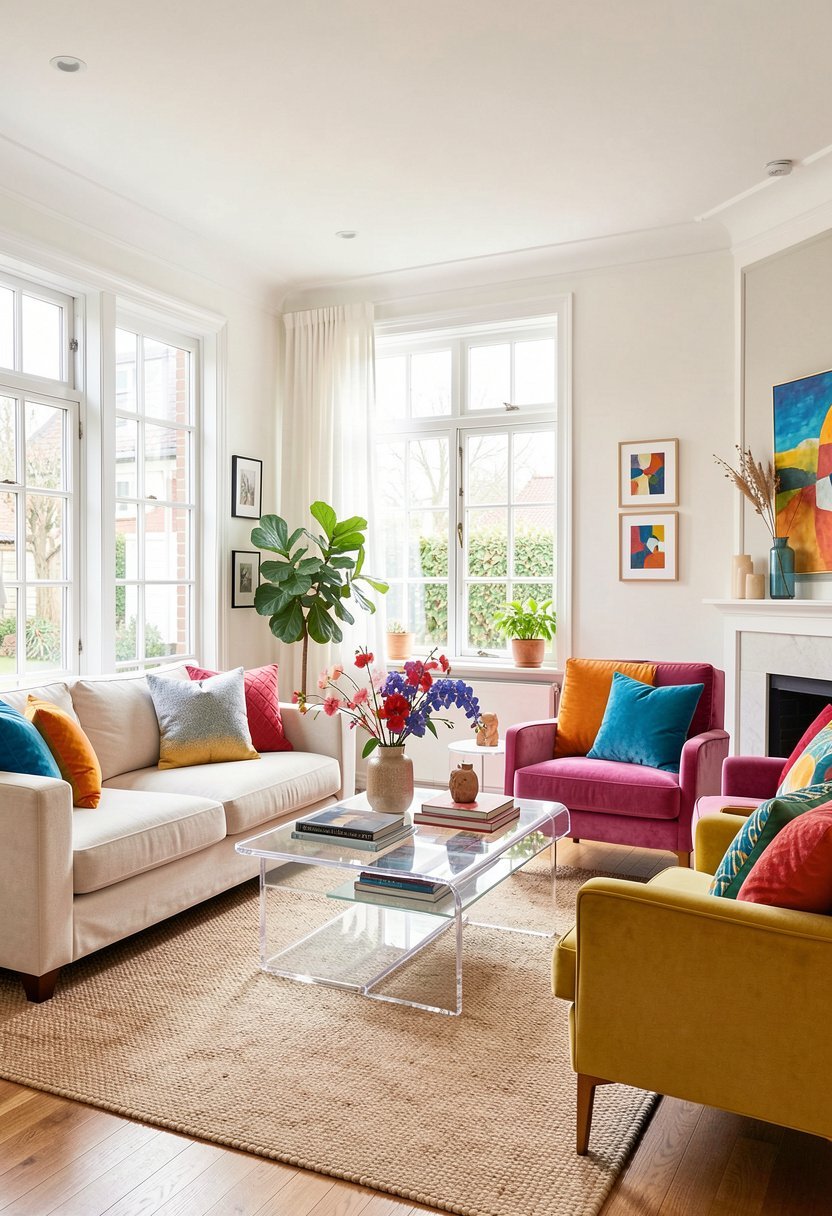
Acrylic chairs or glass side tables are great for tiny spaces. They are basically invisible, and they let light pass right through them. You get the function of a chair without the visual weight of a big, dark object.
Some critics say these look cheap, but they are wrong. If you buy the right ones, they look modern and clean. They are perfect for a tight living room because they do not block your view of the rug.
I love using these when I want a room to feel airy. Just keep them clean, because fingerprints show up fast. It is a small price to pay for such a sleek look. Do not overdo it, though, or your room looks like a dentist office.
- Use acrylic for small chairs.
- Keep glass tables smudge free.
- Mix with warm wood textures.
- Place them in tight corners.
Rugs Define Your Space
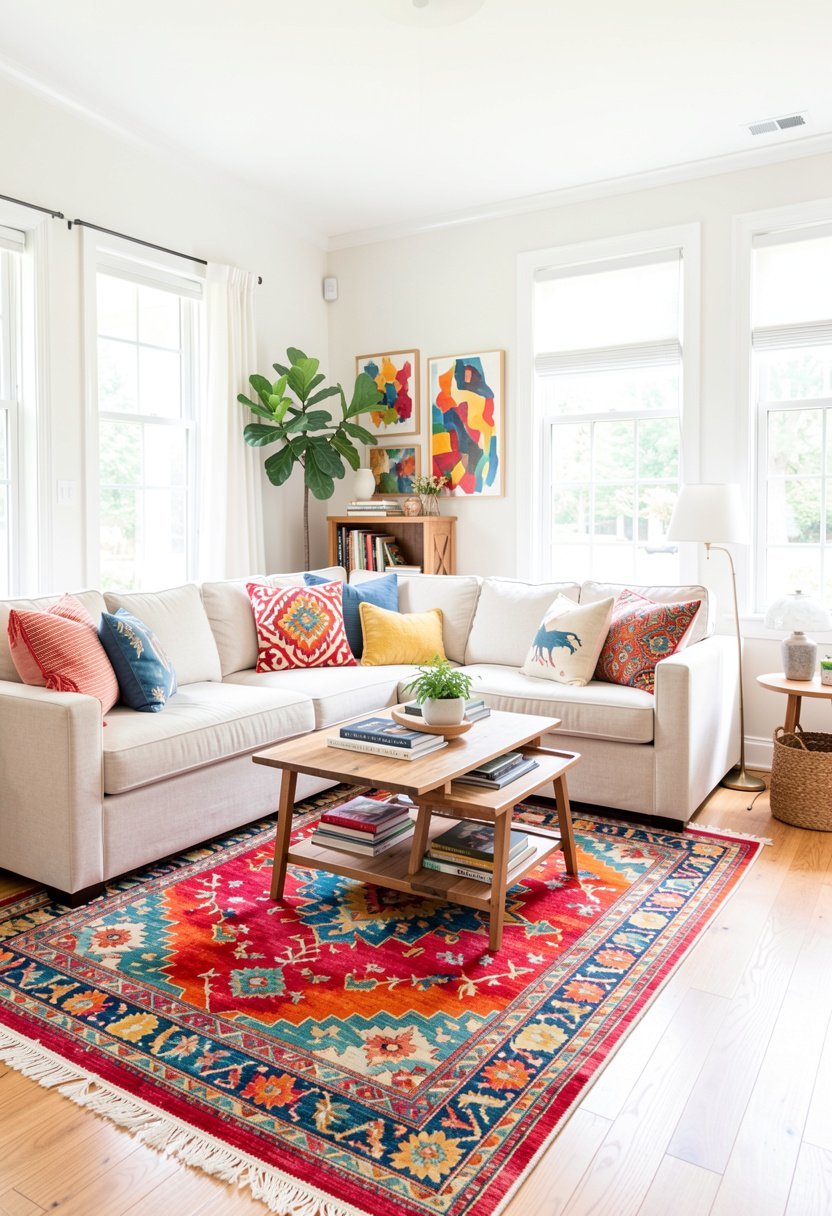
People think a small room needs a tiny rug, but that is a lie. A tiny rug makes your room look like a waiting room. You need a large rug that ties all your furniture together to make it feel finished.
I always put a big rug under the front legs of the sofa. It grounds the space, and it makes the living area feel like a dedicated room. If the rug is too small, your furniture just looks like it is floating.
Choose a rug with a light pattern or a solid color. You do not want something that screams for attention, because that makes a small room feel busy. Stick to soft wool or natural jute for a nice, calm feel.
- Buy larger than you think.
- Use rugs to group furniture.
- Choose neutral colors for calm.
- Vacuum to keep it fresh.
Wall Mounted Tv Units
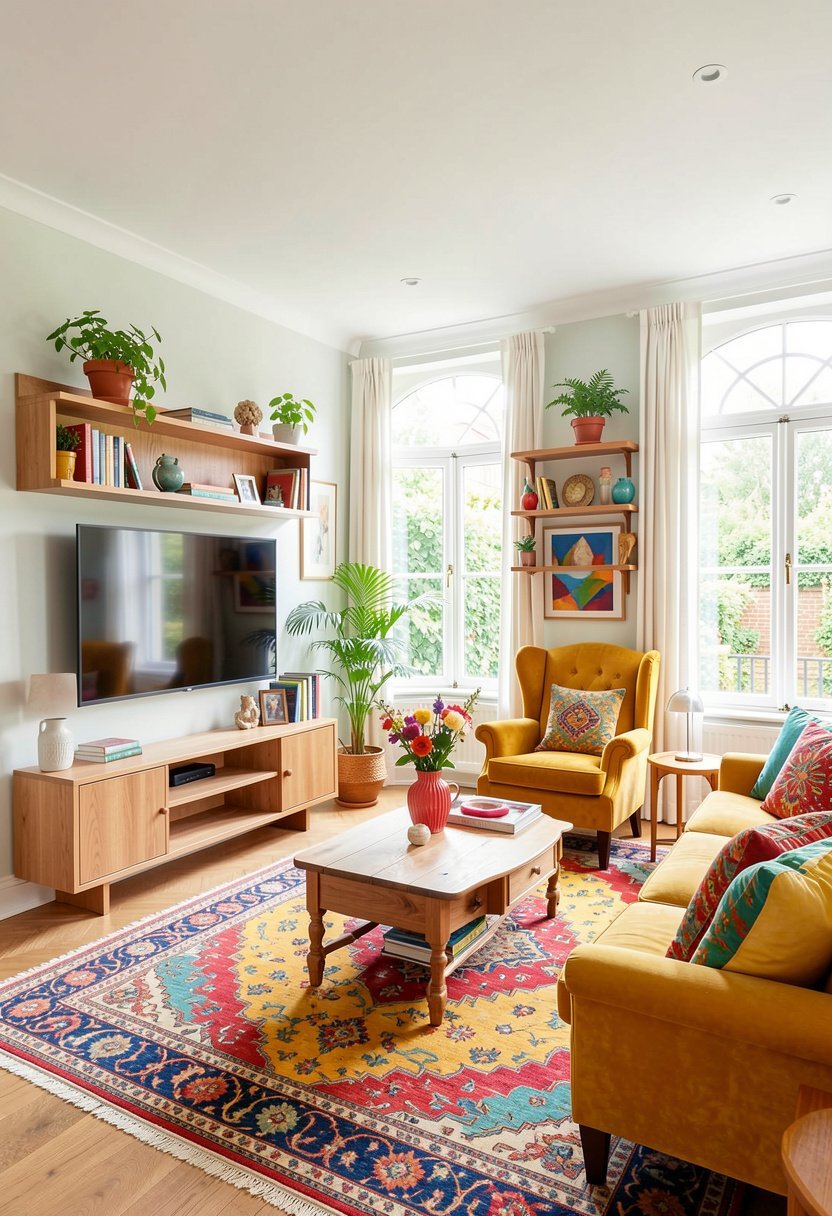
Putting a television on a stand is a waste of space. Hang that screen on the wall, and free up your floor. It looks way more modern, and you can put a slim shelf underneath for your remotes. It is much cleaner.
Most people hide wires behind a mess of tape, but you should buy a simple cover. It hides all those ugly cords, and it keeps your wall looking sharp. It is the cheapest trick for a pro look.
I have done this in every place I have ever lived. You just need a drill and a few minutes. It makes the room look less like a bedroom and more like a real living area. Just do it already.
- Mount tv at eye level.
- Use cord covers for wires.
- Install a thin floating shelf.
- Keep the wall area simple.
Use Corner Floor Lamps
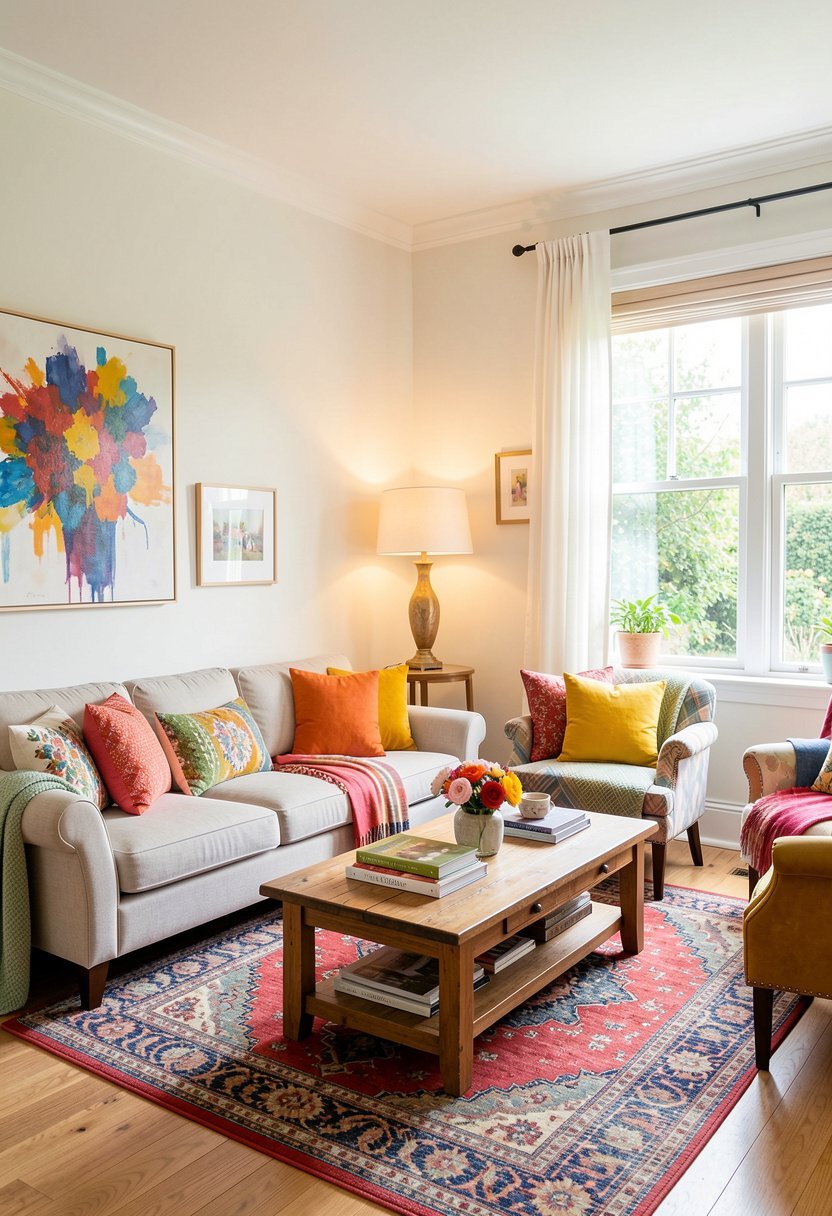
Corners are usually wasted space, but a slim floor lamp fixes that. Do not get a big bulky lamp, because you do not have the room. Get a tall, thin pole lamp that reaches toward the ceiling. It draws the eyes up.
Lighting is everything in a tiny home. If you only use one big overhead light, your room will feel sad. Use a few lamps to create pools of soft, warm light. It makes everything feel cozy and expensive.
I prefer warm light bulbs over the harsh blue ones. Blue light is for offices, and you do not live in an office. Keep it warm, keep it low, and you will love your home much more. It is about the mood.
- Pick tall thin lamp bases.
- Use soft warm light bulbs.
- Put lamps in dark corners.
- Avoid heavy lamp shades.
Hang Curtains Very High
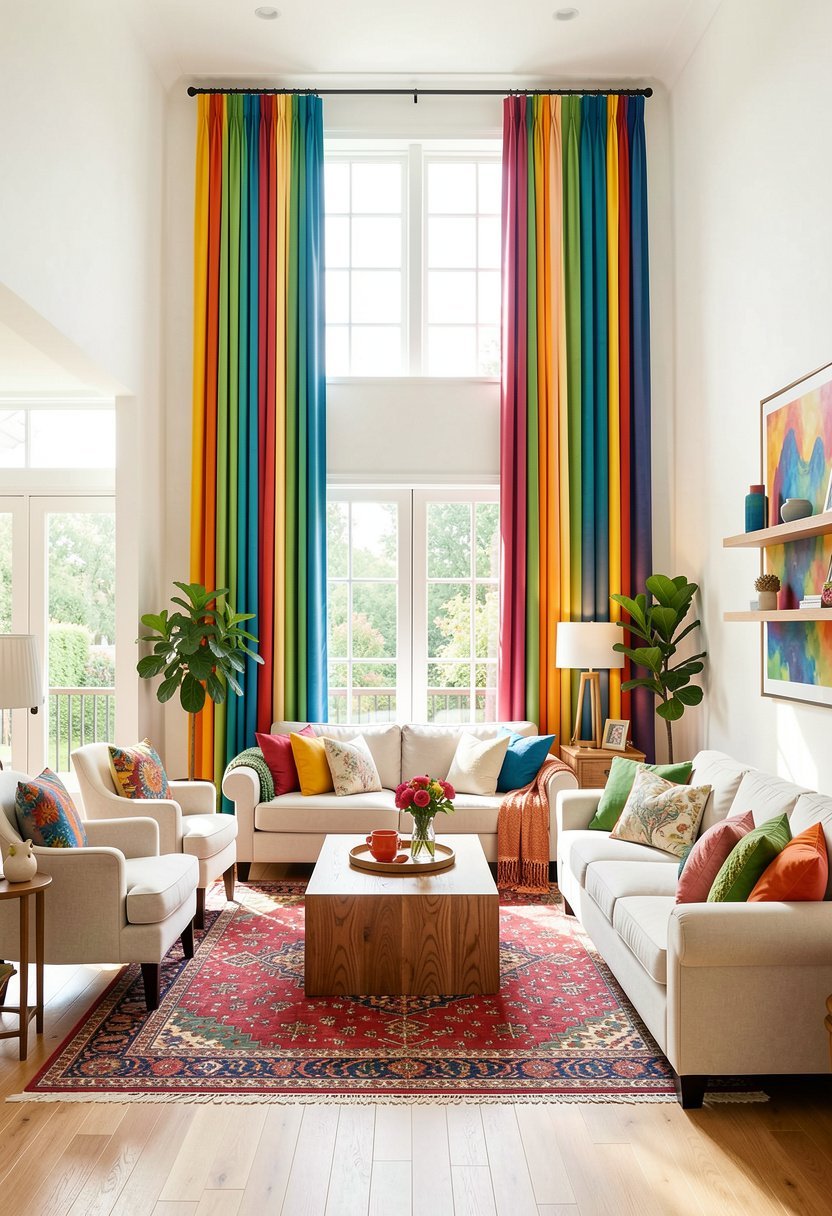
Most people hang their curtain rods right above the window frame. That is a mistake, because it makes the window look small. Mount your curtain rod as high as you can, right near the ceiling. It looks incredible.
Long curtains that touch the floor create the illusion of tall walls. It is a simple trick, but it changes the whole vibe of the room. Do not buy curtains that stop at the window ledge, because they look silly.
Go for light fabric that lets the sun in. You want your room to be bright and happy, not dark and heavy. If you have extra length, just hem them. It is easy, and it makes your curtains look custom made.
- Mount rods near the ceiling.
- Use fabric that flows well.
- Avoid thick or heavy curtains.
- Ensure curtains hit the floor.
Nesting Tables Provide Ease
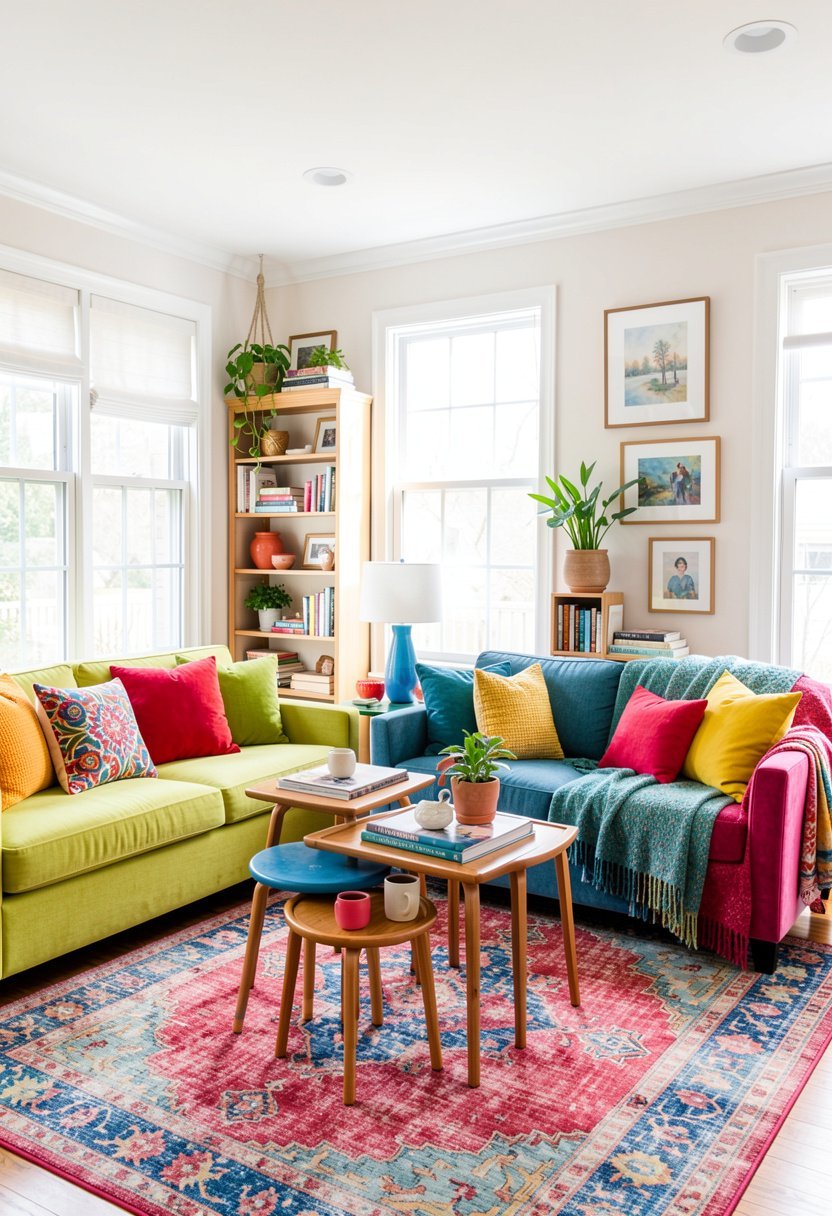
Nesting tables are a lifesaver when guests come over. You can tuck them away during the week, and pull them out for drinks when friends visit. They take up the footprint of one table, but give you three.
Do not buy heavy wood tables that are hard to move. Get something light with metal frames. They are easy to grab, and they do not look like they belong in a dusty library. You can find these everywhere today.
I rely on these for every party I host. When the guests leave, they go right back into the corner. It is the smartest way to host in a tiny apartment. Stop stressing about where to put your coffee.
- Stack them to save space.
- Choose light metal frames.
- Use them for extra drinks.
- Move them around as needed.
Remove All the Clutter
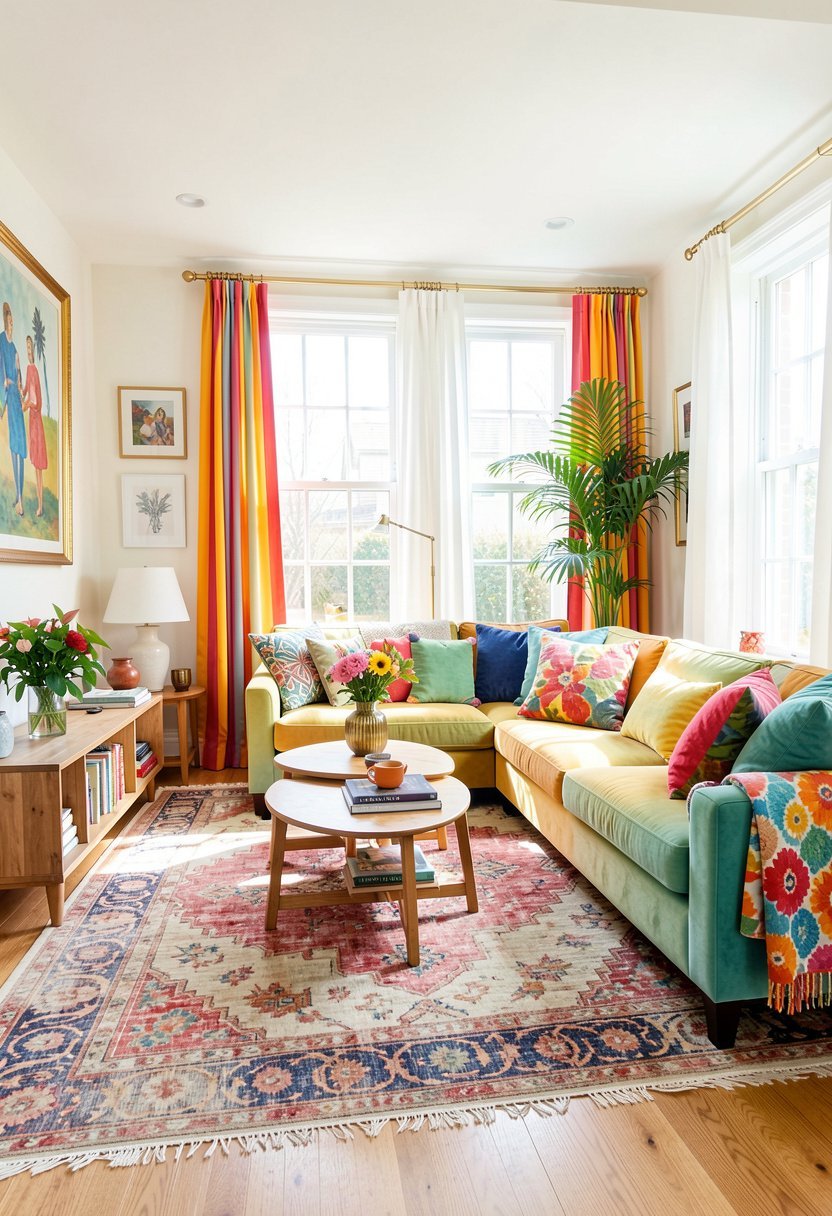
Clutter is the biggest enemy of a small room. You need to be ruthless about what you keep. If you have not used an item in a year, get it out of your house. It is just taking up space.
Many people think shelves are for filling up, but that is wrong. Leave some empty space on your shelves. It gives your eyes a place to rest, and it makes your room feel like it was styled by a pro.
I do a purge every single season. It feels so good to clear things out. You will be surprised by how much bigger your home feels after you get rid of the junk. Be brave, start cleaning, and breathe deep.
- Sort items every few months.
- Keep surfaces mostly empty.
- Display only things you love.
- Donate items you never use.
Use Vertical Wall Art
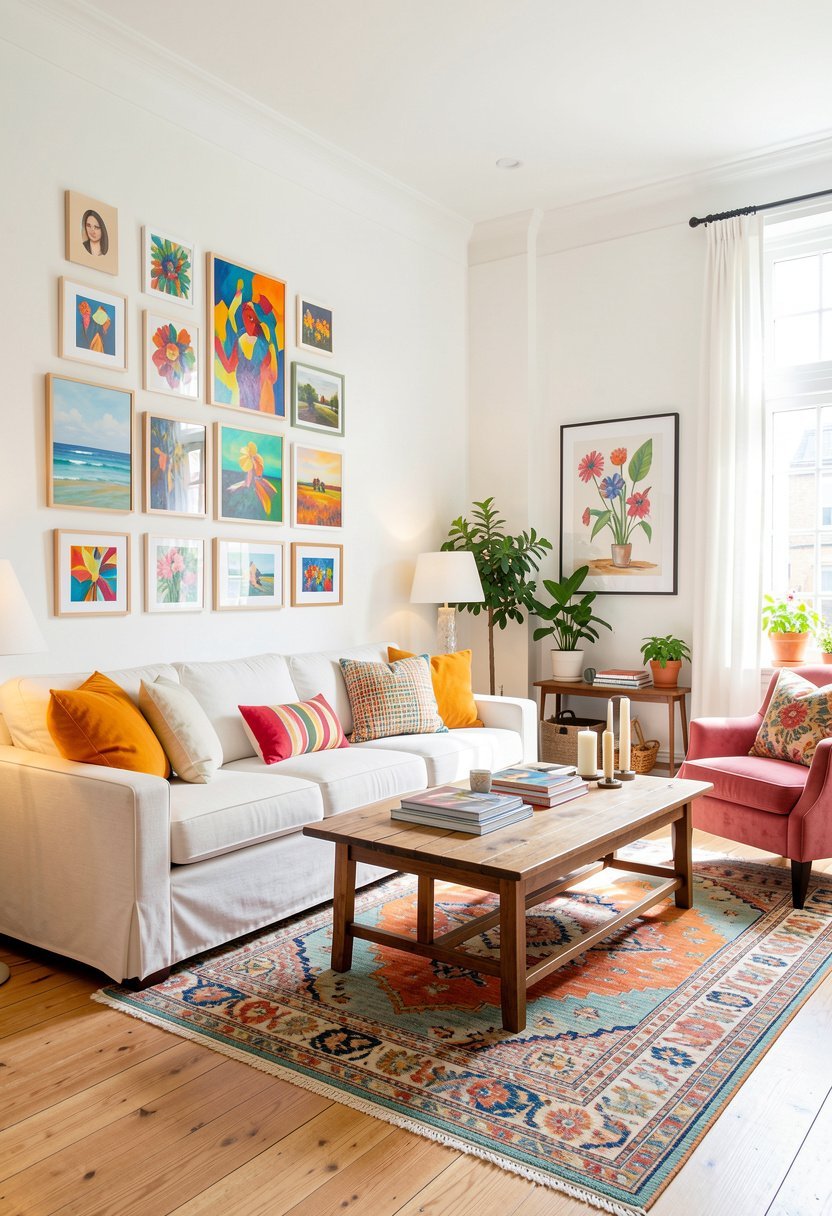
Hang your art higher than you think you should. Putting pictures low makes the room feel cramped. Place your favorite art pieces slightly above your eye level to pull the focus up. It creates a sense of height.
One big piece of art is better than ten tiny ones. A giant print makes a bold statement, and it does not make the wall look busy. Busy walls make a room feel small. Keep it bold and simple.
I have seen folks hang frames at the wrong spot for years. Just move them up, and see how much bigger your room feels. It is instant gratification, and it costs zero dollars to move them. Do it today.
- Hang art above eye level.
- Use one large focal piece.
- Avoid busy gallery walls.
- Keep frames clean and thin.
Pick Light Paint Colors
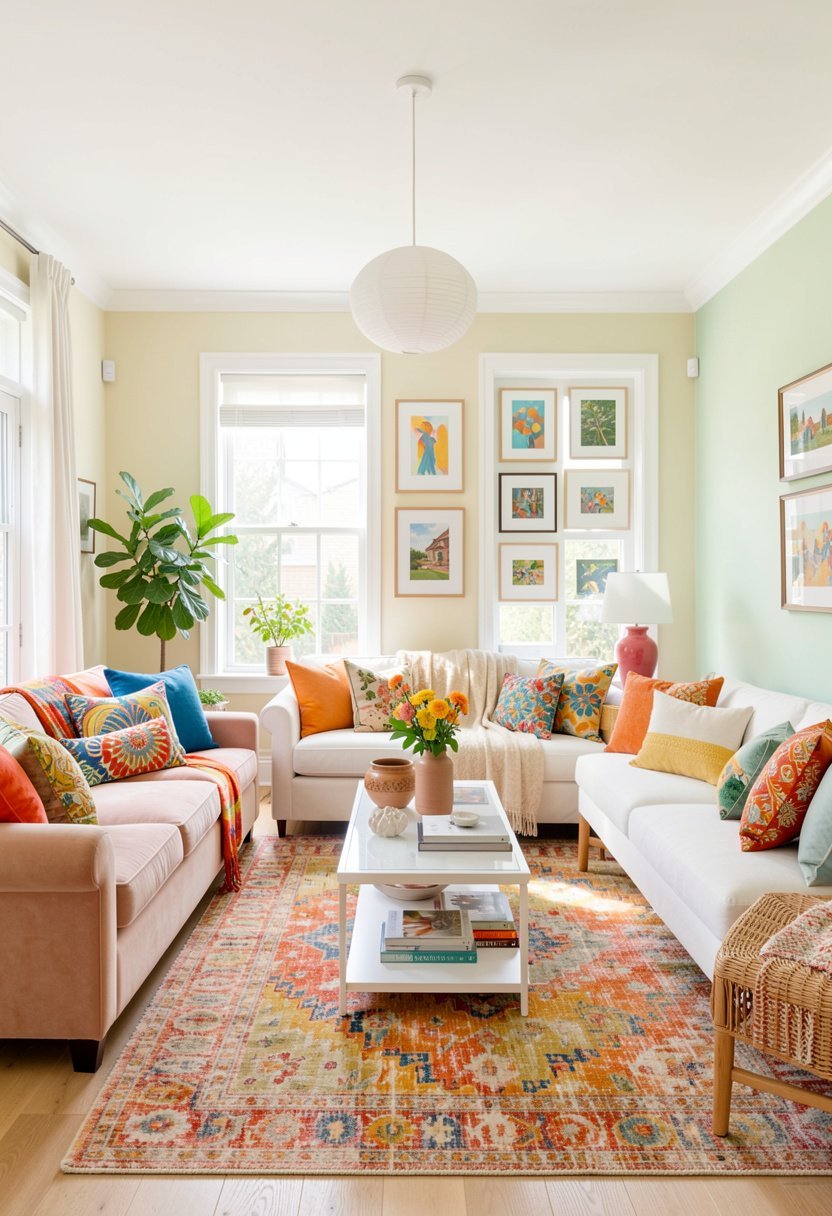
If you want a small room to feel like a palace, paint it white. Cream, soft grey, or crisp white paint makes the walls seem to recede. It is the fastest way to make a tiny space feel like a breath of fresh air.
Avoid painting your walls dark colors unless you want a moody cave. Most people do not know how to style dark paint, so they just end up with a sad, tiny box. Keep it light, and you will never go wrong.
I promise you, light walls are the best foundation for any style. You can add color with pillows or rugs, but the walls should stay neutral. It is the golden rule for small homes, and it works every time.
- Use white for the walls.
- Choose light soft greys.
- Keep ceilings a bright white.
- Paint baseboards to match.
Final Thoughts
I hope these ideas help you love your home again. You do not need a big budget or a huge house to feel proud of your space. Just pick one thing from this list, start today, and watch how it changes everything. Stop letting the size of your walls hold you back. You have the power to make it work, you have the vision, and honestly, you’ve got this.
| Ideas for Home | Best Price Point | Impact Level |
|---|---|---|
| Low Furniture | Affordable | High |
| Large Mirrors | Cheap | High |
| Floating Shelves | Moderate | Medium |
| Storage Ottoman | Affordable | High |
| Vertical Stripes | Cheap | Medium |
| Clear Chairs | Moderate | High |
| Large Rugs | Moderate | High |
| Wall Mount TV | Cheap | High |
| Corner Lamps | Affordable | Medium |
| High Curtains | Cheap | High |
| Nesting Tables | Affordable | Medium |
| Decluttering | Free | High |
| High Art | Free | Medium |
| Light Paint | Affordable | High |
| Small Decor | Affordable | Low |
Frequently Asked Questions (FAQs)
Is It Okay to Use Large Furniture in a Small Living Room?
Yes, but you have to be careful with the balance. One large, comfortable sofa can actually make a room look more settled than five tiny chairs that make the area feel busy. Just keep the rest of your pieces very slim and light.
Can I Paint a Small Room a Dark Color?
You can, but it is risky if you do not have great lighting. Dark colors suck up light, making a room feel like a cave. If you really want a dark wall, paint just one as an accent and keep the others light.
Are Gallery Walls Bad for Small Living Spaces?
They can be, because too many small frames make a wall look cluttered. A wall full of tiny things makes the space feel tight. You are much better off using one large piece of art to give the eye a clear place to land.
Do I Need to Buy Expensive Rugs?
Not at all, and you should not waste your money on them. A basic, natural fiber rug is often better for a small room because it looks clean. Focus on getting the right size rather than paying for a fancy brand name.
Does a Coffee Table Make a Room Feel Smaller?
It only makes it smaller if it is big and solid. If you use a glass or acrylic table, it stays invisible while giving you function. Avoid heavy wood tables that block the flow of the room, as they feel like roadblocks.
Should I Use Curtains in a Small Space?
Yes, because they draw the eye up if you hang them high. Without curtains, your windows look unfinished and small. Use light, airy fabric that matches your wall color to make the room feel larger and more open than before.
Will Hiding My Cords Really Change the Look?
It makes a massive difference, as messy wires are the number one cause of visual clutter. When your cords are hidden, your eyes focus on your decor instead of the mess. It is the easiest, cheapest way to upgrade.
Can I Mix Different Furniture Styles?
You definitely can, as long as the scale of the pieces stays consistent. A modern chair with a vintage side table is fine. Just ensure they are not all bulky, or the different styles will just fight for space.