

The living room feels a bit…off. You’ve tried a few things, but it still doesn’t quite feel like yours. It’s like you’re living in someone else’s Pinterest board, not your shared home. We’ve all been there, staring at a space and feeling a disconnect. This is where understanding a few key things about creating a shared aesthetic can really make a difference. You want a room that reflects both of you, not just one person’s taste.
The biggest mistake couples make is one person dictating the style, or worse, just throwing random things together hoping for the best. You end up with a room that feels busy, unorganized, and frankly, a little soulless. It doesn’t invite you to relax or truly enjoy spending time there together.
But once you nail down a few simple ideas, your space will feel totally transformed. You’ll have a room that feels harmonious, comfortable, and genuinely reflective of your life as a couple. Ready to make your home feel like a sanctuary for two?
1. Shared Color Palette
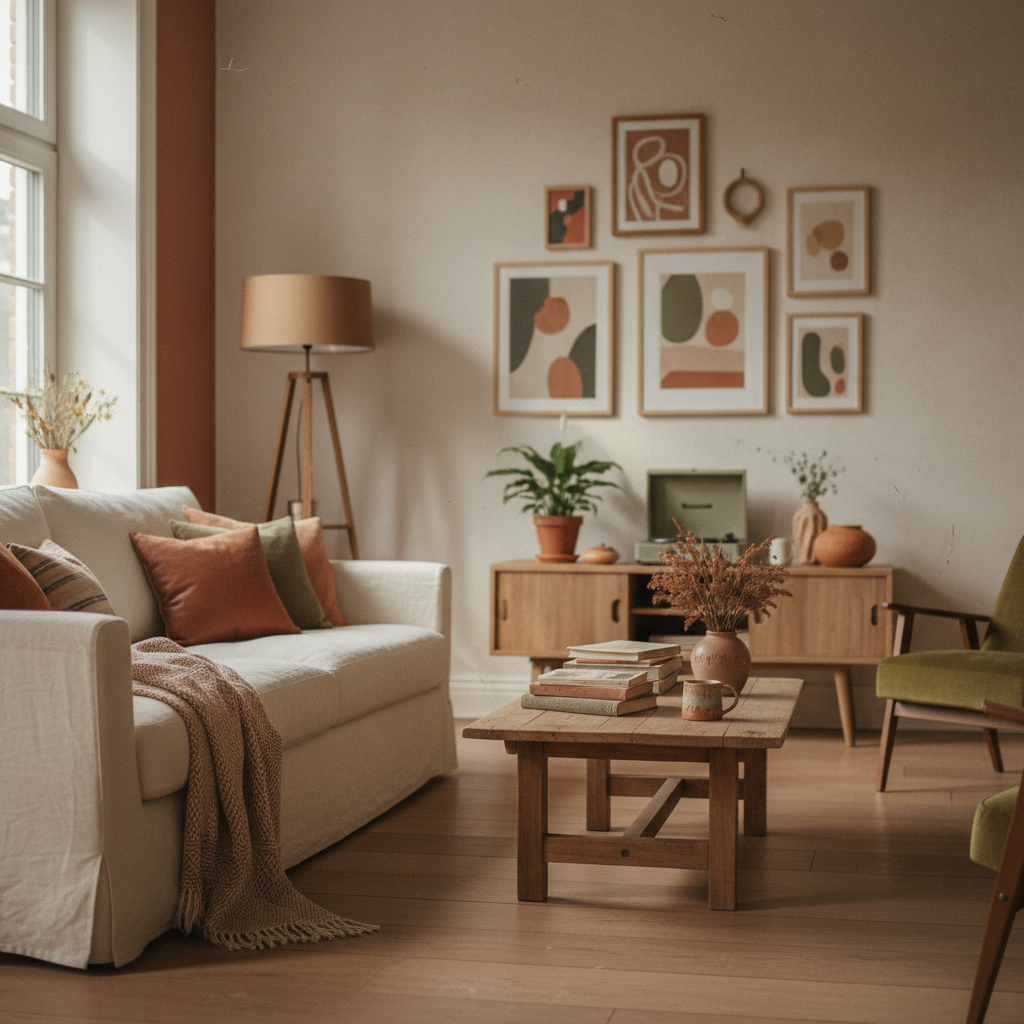
Picking a few main colors that you both love is the first step. Think about how these colors make you feel. Do they feel calming, energetic, or cozy? It’s amazing how much a cohesive color scheme can tie everything together.
Don’t feel like you have to agree on every single shade. Maybe one of you likes a bold blue, and the other prefers a softer navy. You can find a balance by using both in different ways. It’s all about compromise and finding common ground.
Once you have your core colors, you can sprinkle in accent colors. These are colors that pop and add personality. They don’t have to be in every corner, just enough to add visual interest.
- Pick 2-3 main colors you both agree on.
- Use these colors on walls, furniture, and large decor items.
- Add 1-2 accent colors for smaller pieces.
- Consider how the colors make you feel together.
2. Coordinated Seating
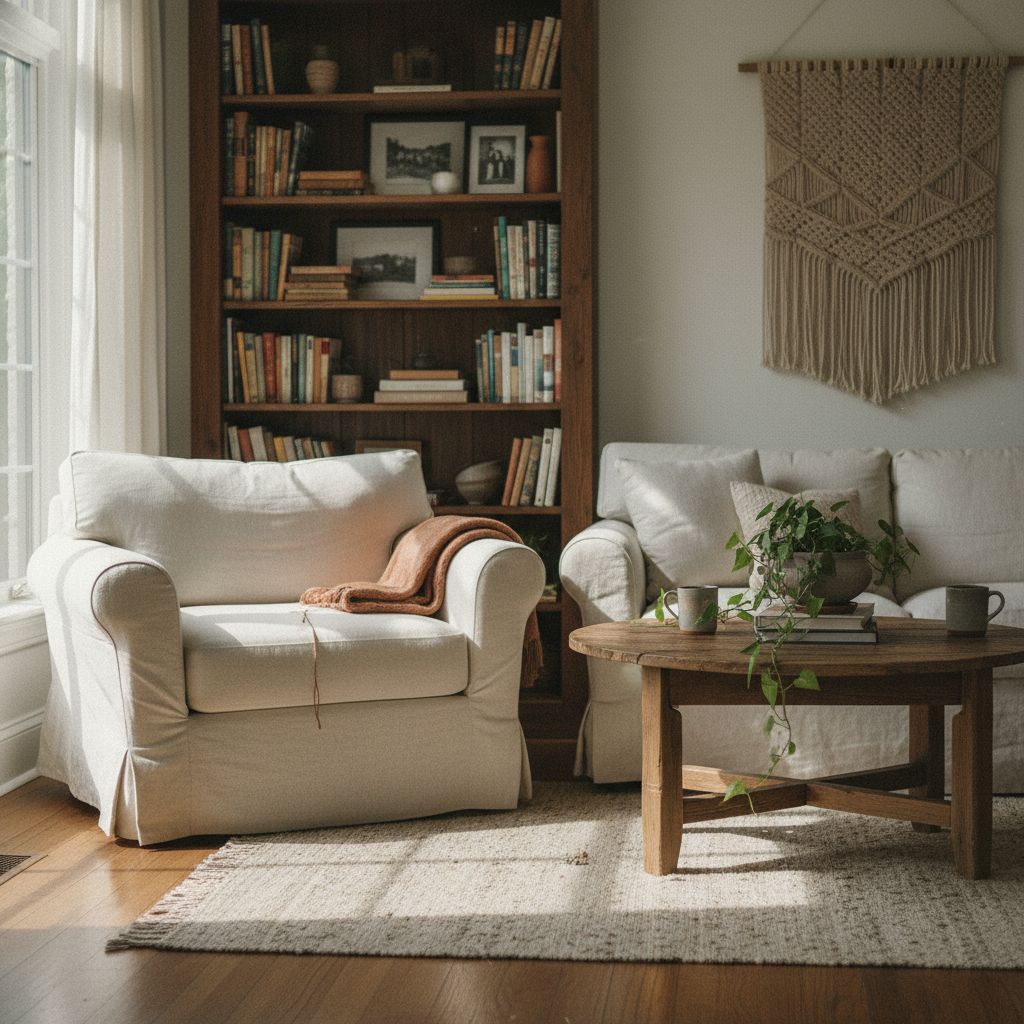
Having a comfy place for both of you to sit is non-negotiable. This means more than just a couch. Think about armchairs, floor cushions, or even a stylish bench. The key is comfort and making sure there’s enough space.
You don’t need matching furniture. Instead, focus on pieces that complement each other. If you have a sleek modern couch, maybe a more plush, textured armchair would be a nice contrast. It’s about balance, not boredom.
Make sure the seating arrangement encourages conversation. You want to be able to easily face each other. Think about creating a cozy nook or a more open layout depending on your space.
- Ensure enough comfortable seating for two.
- Mix and match textures and styles for interest.
- Arrange furniture to promote conversation.
- Consider accent seating like poufs or ottomans.
3. Dual-Purpose Decor
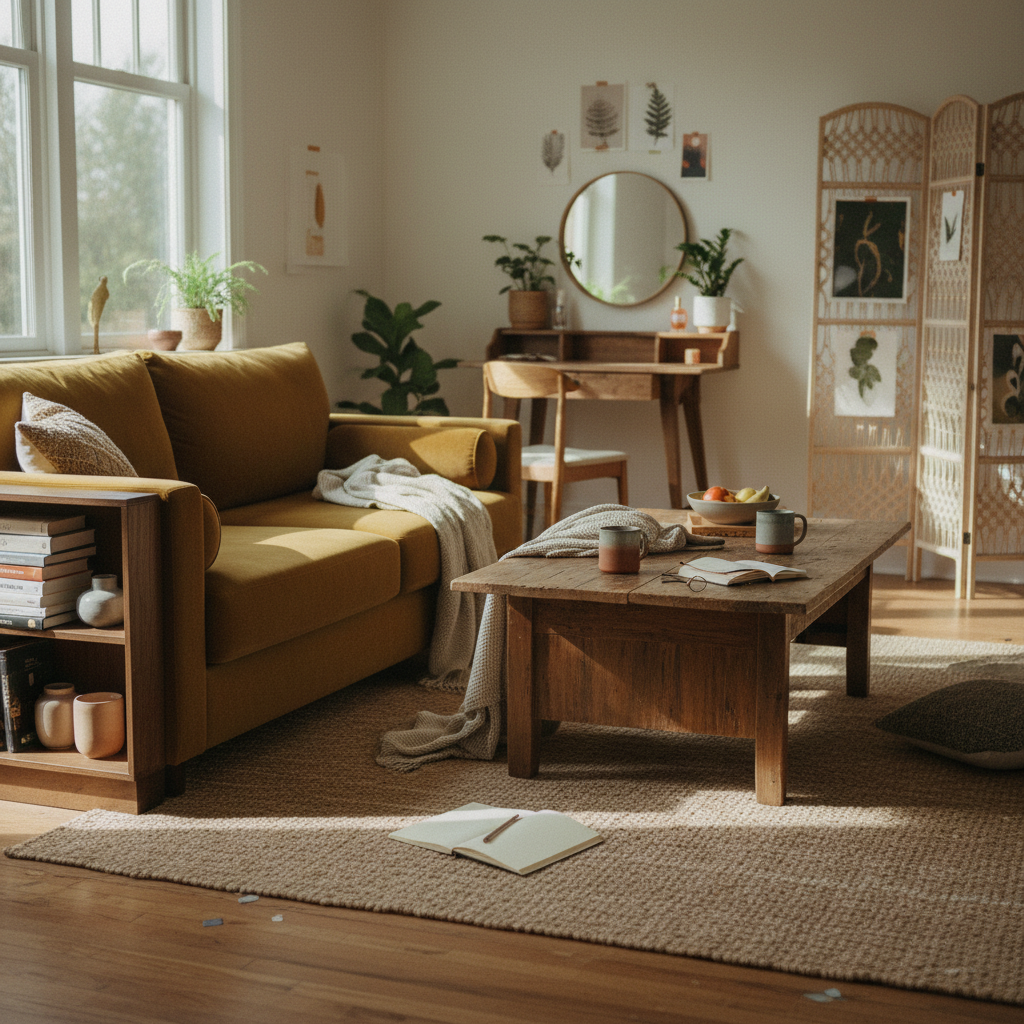
Think smart about what you bring into your space. Every item should ideally serve more than one purpose. A stylish ottoman can be a footrest, extra seating, and even offer hidden storage. This is a game-changer for smaller rooms.
Shelving is another great example. You can display your favorite books and photos, but it also keeps clutter off surfaces. Floating shelves add a clean, modern look. Look for pieces that hide things away.
Also, consider furniture that can transform. A coffee table with drawers or lift-top storage is fantastic. It helps keep your main living areas tidy and organized.
- Choose furniture with built-in storage.
- Ottomans can double as seating and storage.
- Wall shelves provide display and organization.
- Consider fold-out or extendable furniture if needed.
4. Shared Display Shelves
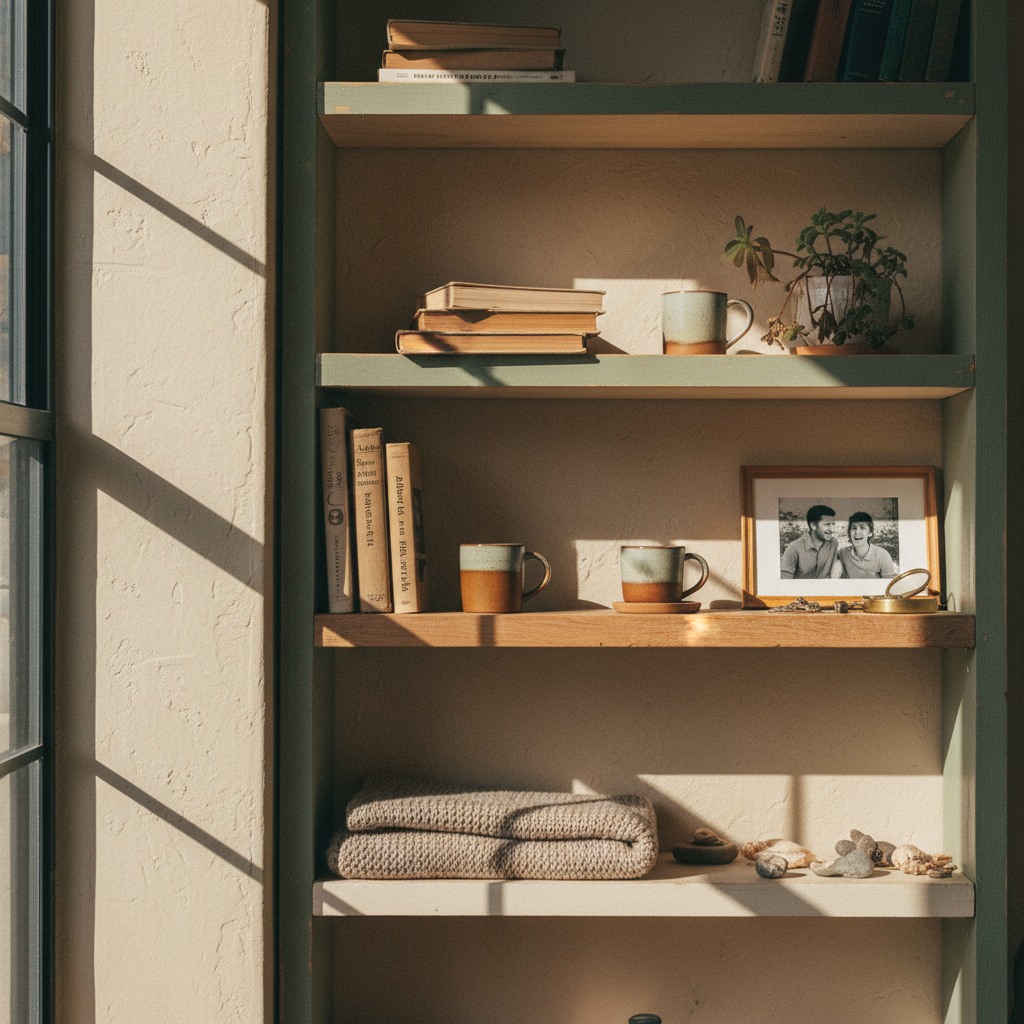
This is a great way to show off both of your personalities. Dedicate shelves to items that represent your individual hobbies or shared memories. One shelf could be for your book collection, another for his vinyl records.
Don’t be afraid to mix your styles. Maybe you have delicate ceramic pieces and he has bold, graphic art. When placed side-by-side on a well-styled shelf, it can create a really unique and interesting look.
The key here is balance. Ensure both of you feel represented. It’s about creating a visual story of your life together. This is where your shared history comes to life.
- Assign specific shelves to each person’s interests.
- Mix different types of collectibles and art.
- Don’t overcrowd the shelves. Leave some breathing room.
- Include framed photos of your favorite moments.
5. Cozy Lighting Scheme
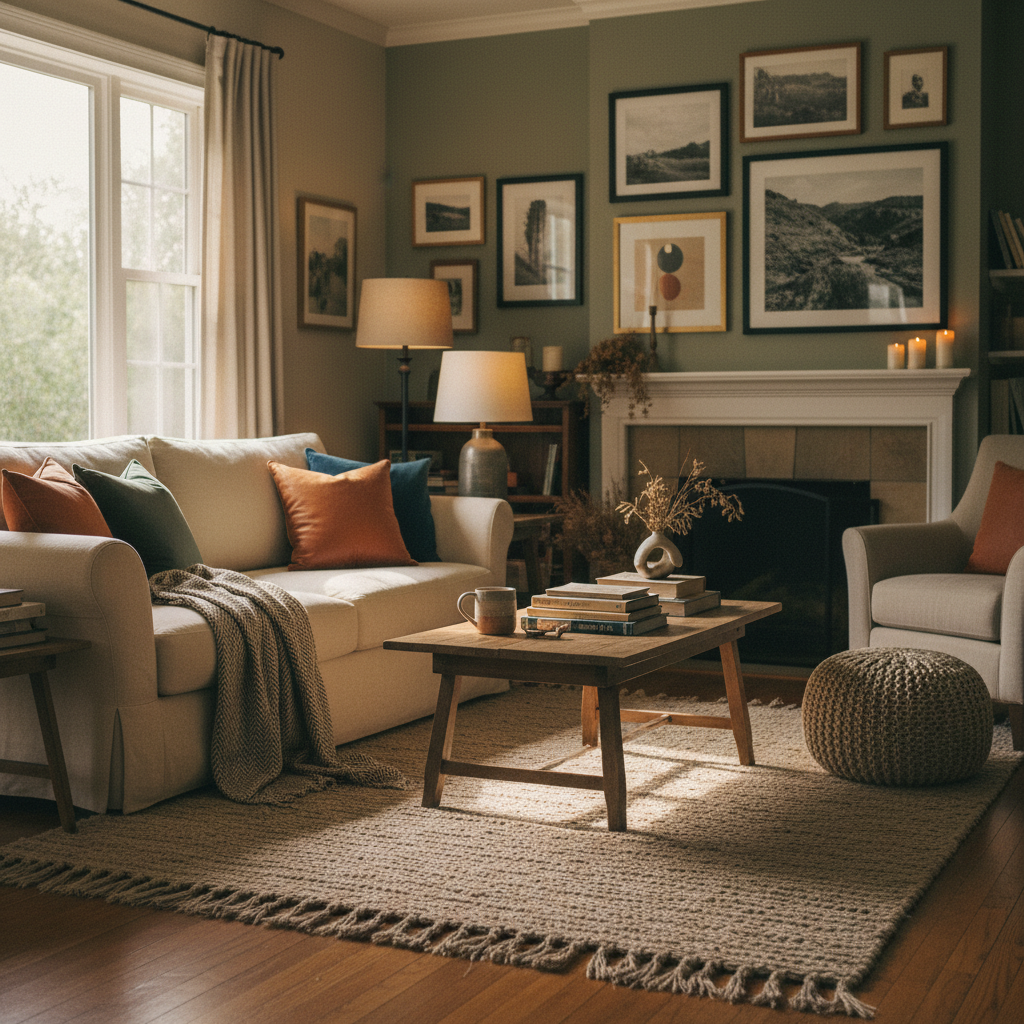
Harsh overhead lights can make any room feel sterile. Instead, layer your lighting. Think about floor lamps, table lamps, and even fairy lights. This creates a warm, inviting atmosphere.
Dimmers are your best friend here. They allow you to adjust the mood of the room instantly. Want a bright space for reading? Turn them up. Want a dim, romantic vibe for movie night? Turn them down.
Consider the color of your light bulbs too. Warm white bulbs feel much cozier than cool white ones. It’s a small detail that makes a big difference. Good lighting sets the mood.
- Use multiple light sources like lamps and sconces.
- Install dimmers to control the intensity.
- Choose warm white bulbs for a cozy feel.
- Consider string lights for a touch of magic.
6. Personal Art Collection
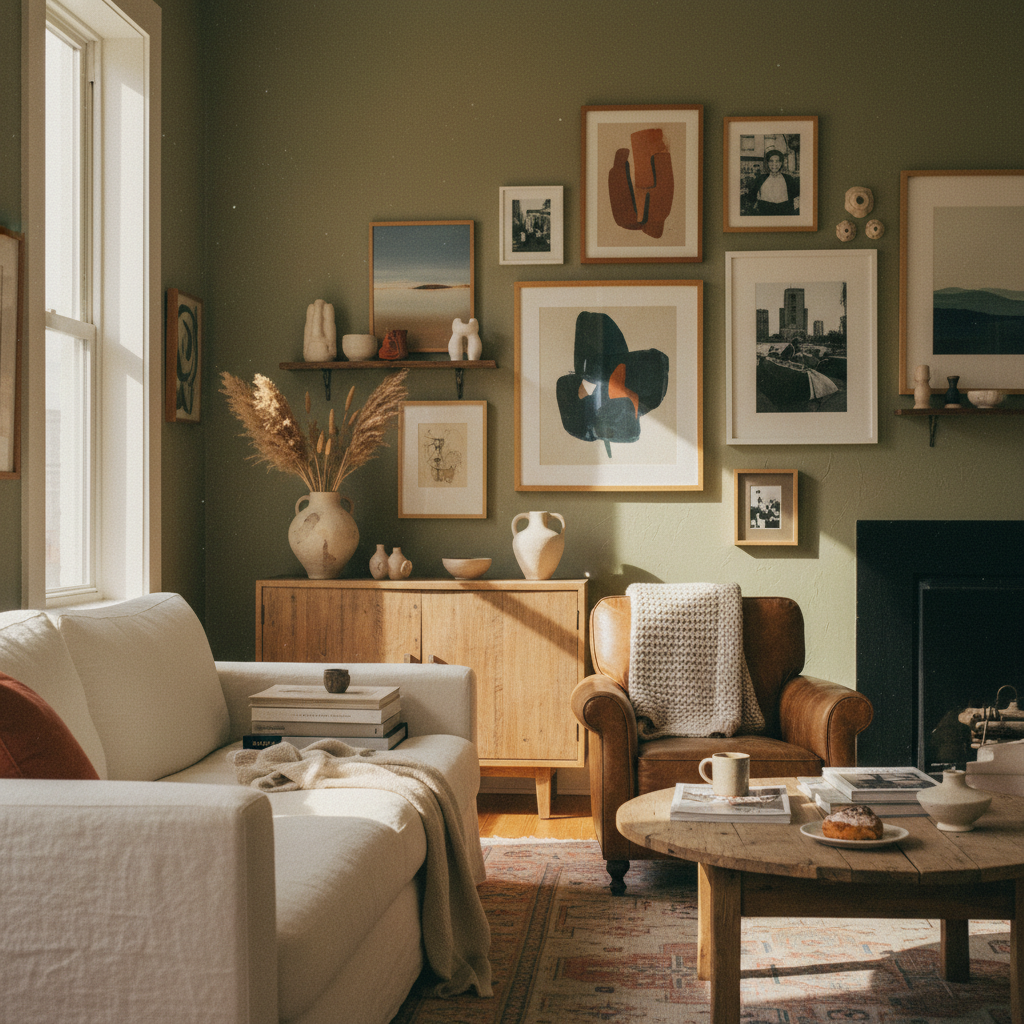
Your walls are a blank canvas for your story. Instead of one big piece, consider a gallery wall that features art you both love. This could include framed prints, photos, and even meaningful objects.
Think about scale and balance when arranging your art. Don’t put all the large pieces together. Mix sizes and shapes to create a dynamic display. Let your walls tell your story.
You can also incorporate art that represents your travels or shared experiences. A map with pins marking places you’ve visited, or a canvas from a favorite trip. It makes the space uniquely yours.
- Create a gallery wall with diverse pieces.
- Mix framed art, photos, and personal items.
- Consider art that represents your shared memories.
- Balance sizes and shapes for visual appeal.
7. Textured Throws and Pillows
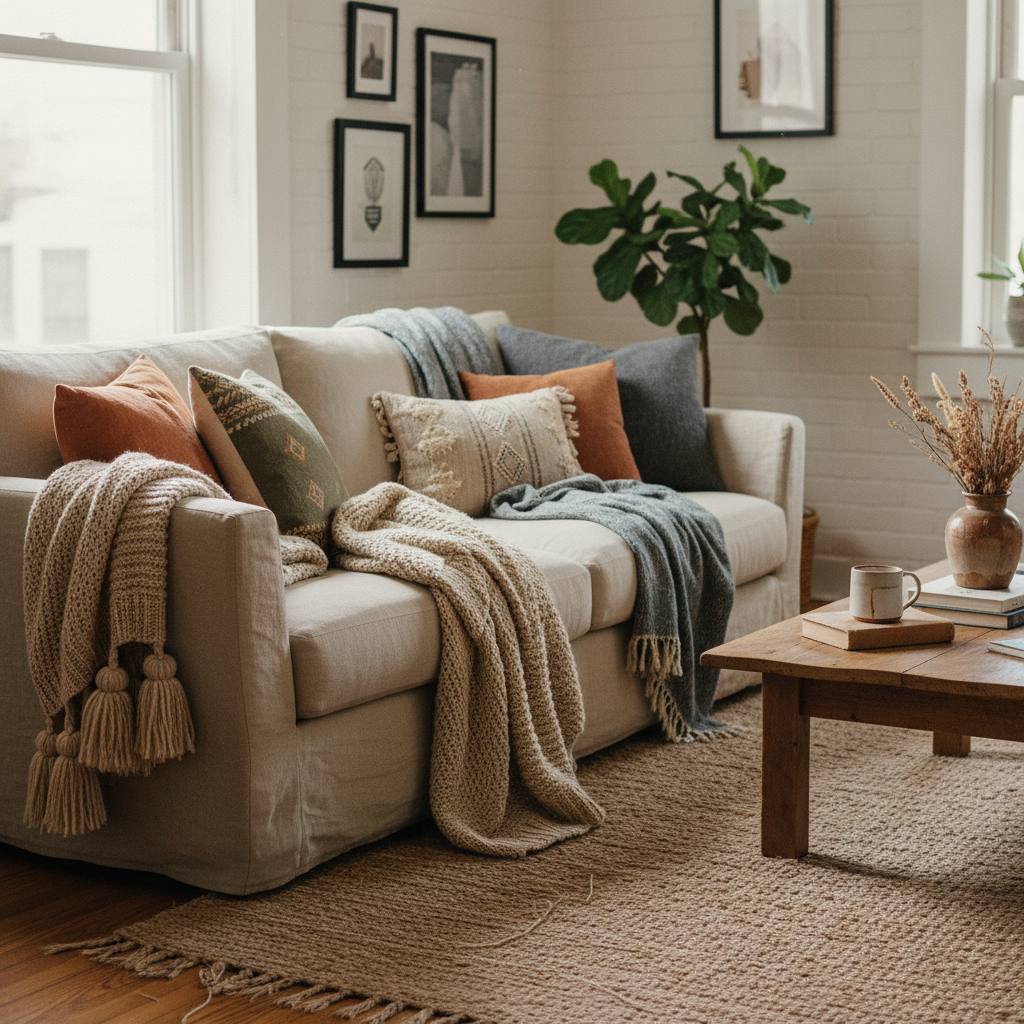
This is an easy win for adding warmth and comfort. Layering different textures makes a space feel richer and more inviting. Think chunky knits, soft velvets, and woven fabrics.
You don’t need to go overboard. A few well-placed throws and pillows can make a huge difference. Choose colors that complement your main palette. Comfort is key for a shared space.
Consider both visual and tactile appeal. How does the fabric feel? Does it invite you to sink in and relax? This is especially important for seating areas.
- Mix different textures like knit, velvet, and linen.
- Layer throws over sofas and chairs.
- Choose pillows in complementary colors.
- Prioritize soft and inviting materials.
8. Shared Hobby Nook
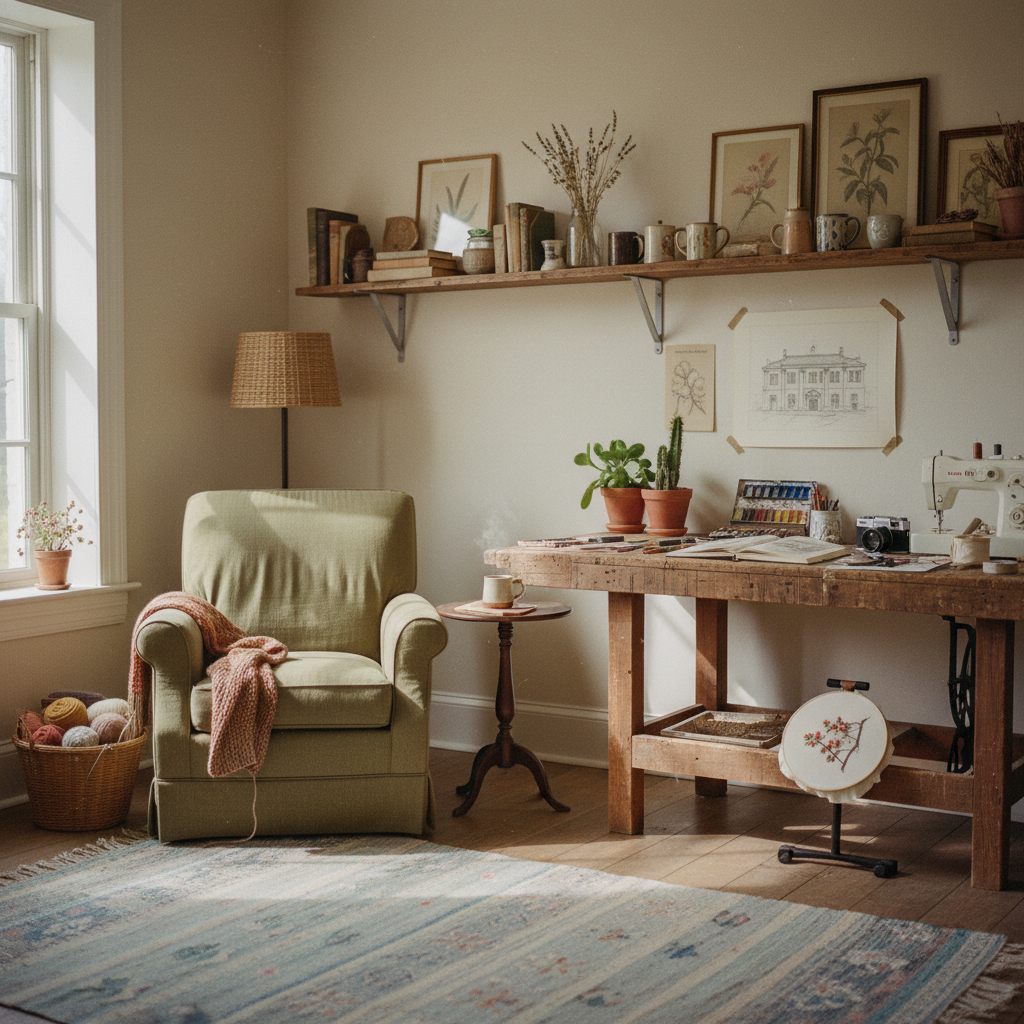
Designate a small area for something you both enjoy. This could be a reading corner with two comfortable chairs and good lighting. Or maybe a space for playing board games or doing puzzles.
The idea is to create a zone that encourages connection. It’s a dedicated spot for quality time. This makes it easier to unwind and engage in shared activities. Make time for your shared passions.
Ensure the space is functional and inviting. Have the necessary items readily available. For a reading nook, this means good lamps and side tables for drinks.
- Create a dedicated corner for a shared hobby.
- Ensure the space is comfortable and well-lit.
- Keep necessary items for the hobby accessible.
- This space encourages connection and relaxation.
9. Plants for Life and Color
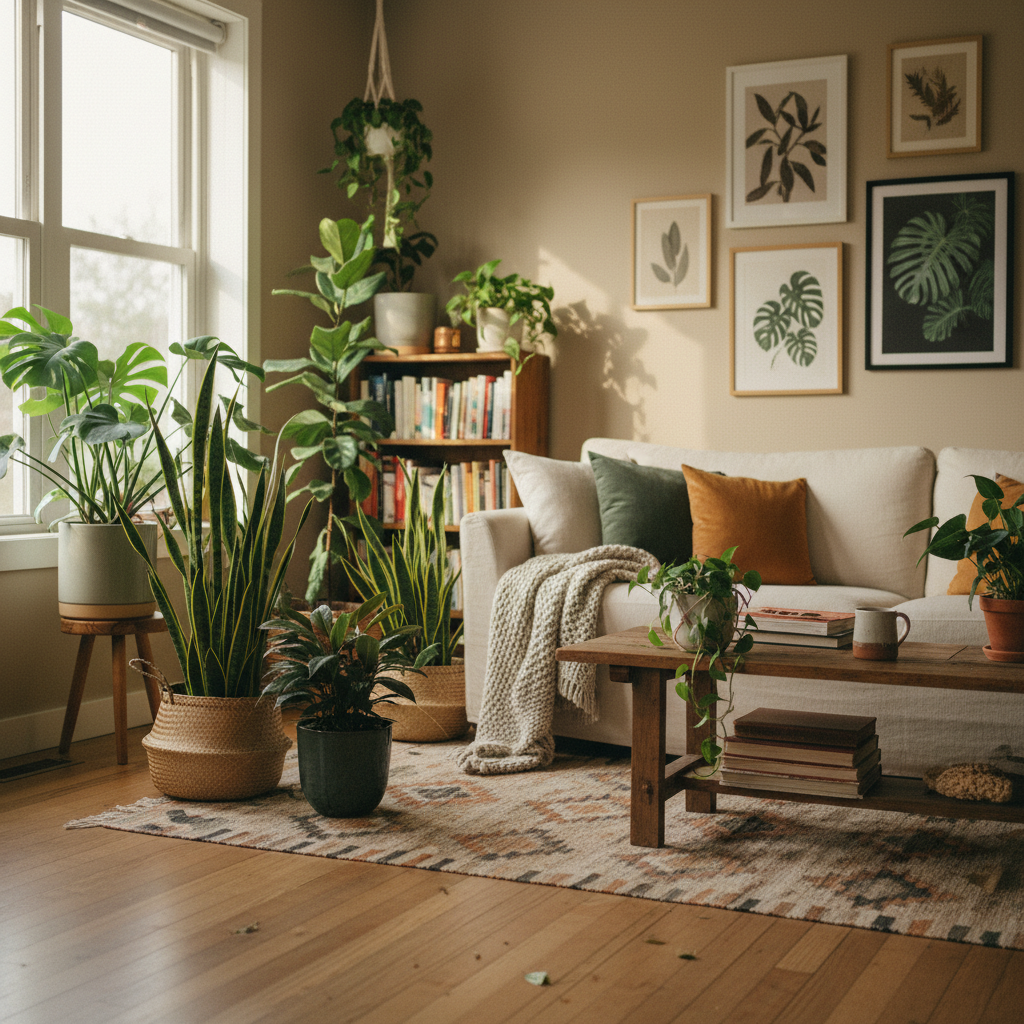
Plants bring life and a natural element into any room. They add color and can even improve air quality. Not everyone has a green thumb, but there are low-maintenance options.
Choose plants that suit your lighting conditions. Some thrive in bright sun, while others prefer shade. This ensures they’ll stay healthy and look their best. Greenery makes a space feel alive.
Think about different sizes and types of plants. A tall floor plant can fill an empty corner. Smaller succulents look great on shelves or coffee tables.
- Introduce plants for color and a natural feel.
- Choose varieties that suit your room’s light.
- Mix different sizes for visual interest.
- Low-maintenance options are great for beginners.
10. Functional Media Console
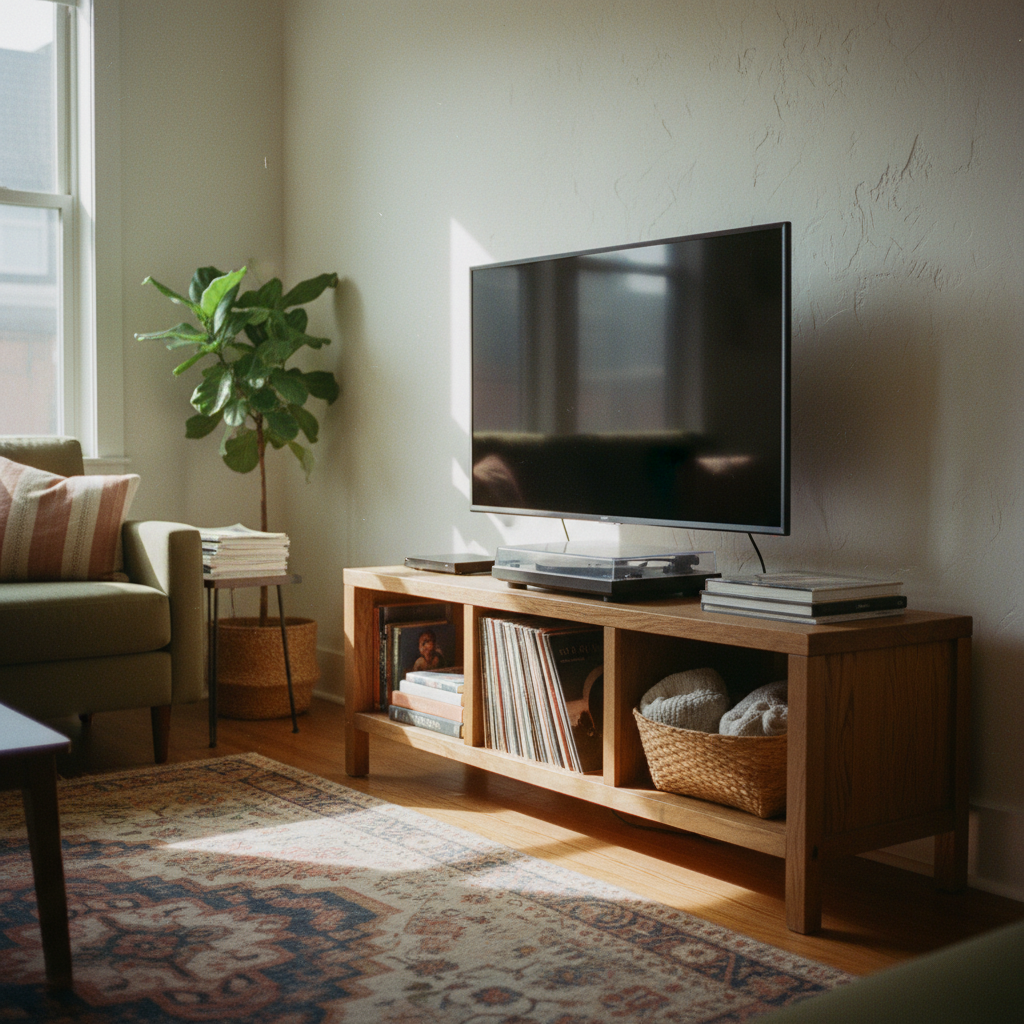
If you have a TV, a good media console is essential. It’s not just about holding the TV. It’s about managing cords and storing entertainment devices. Keeping these items organized makes a big difference.
Look for consoles with doors or drawers. This hides away unsightly cables and remotes. It keeps your living area looking clean and uncluttered. Organization is a cornerstone of good design.
Consider the style of the console to match your overall decor. It can be a statement piece or blend seamlessly with your furniture.
- Choose a console with ample storage.
- Opt for doors or drawers to hide clutter.
- Ensure it’s the right size for your TV.
- Match the style to your room’s aesthetic.
11. Mirror Magic
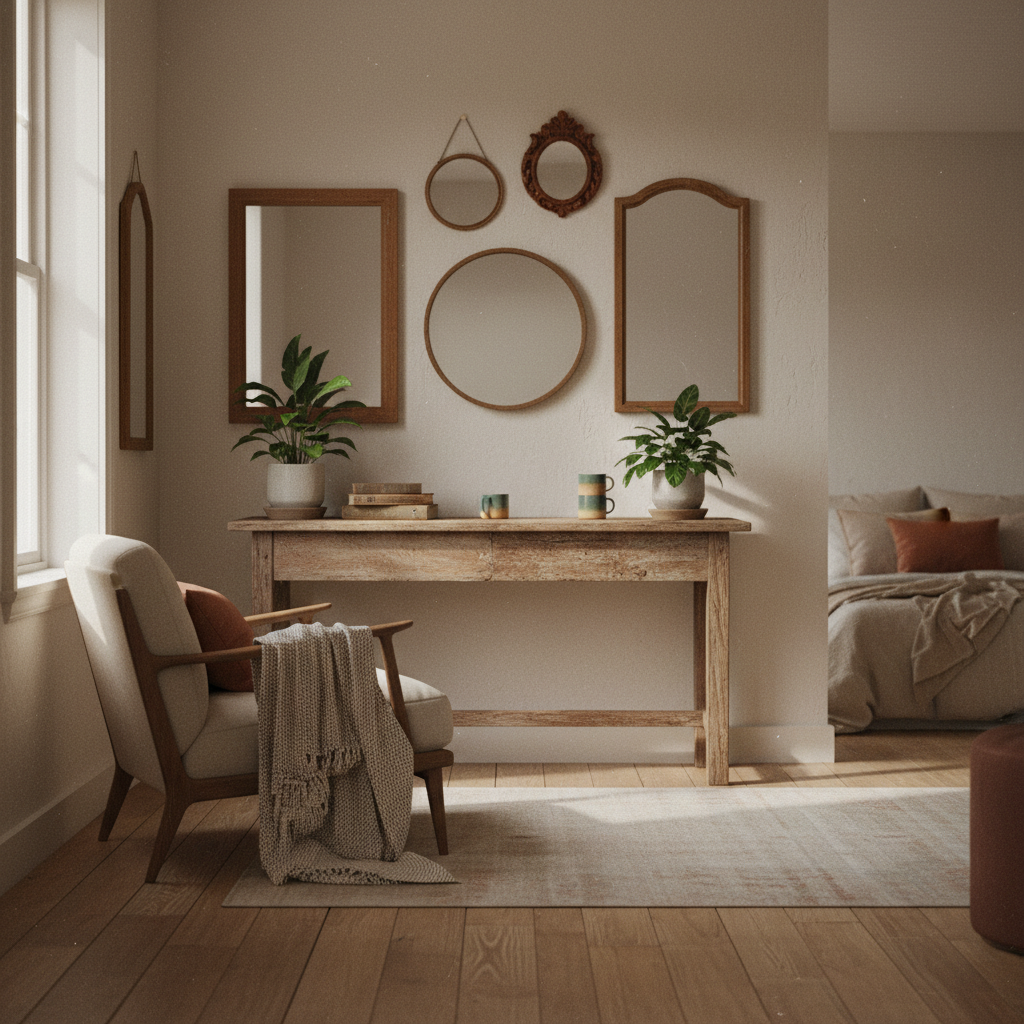
Mirrors are fantastic for making a room feel bigger and brighter. They reflect light, bouncing it around the space. This is especially helpful in smaller apartments or rooms with limited natural light.
Think about where you place your mirror. A large mirror opposite a window will reflect the view and light. Mirrors add depth and dimension.
You can also use mirrors as decorative elements. A collection of smaller, uniquely framed mirrors can create an interesting focal point.
- Use mirrors to reflect light and make spaces feel larger.
- Position them strategically to maximize light and views.
- Consider decorative mirror frames for added style.
- They can serve as both functional and decorative pieces.
12. Shared Bookshelf Display
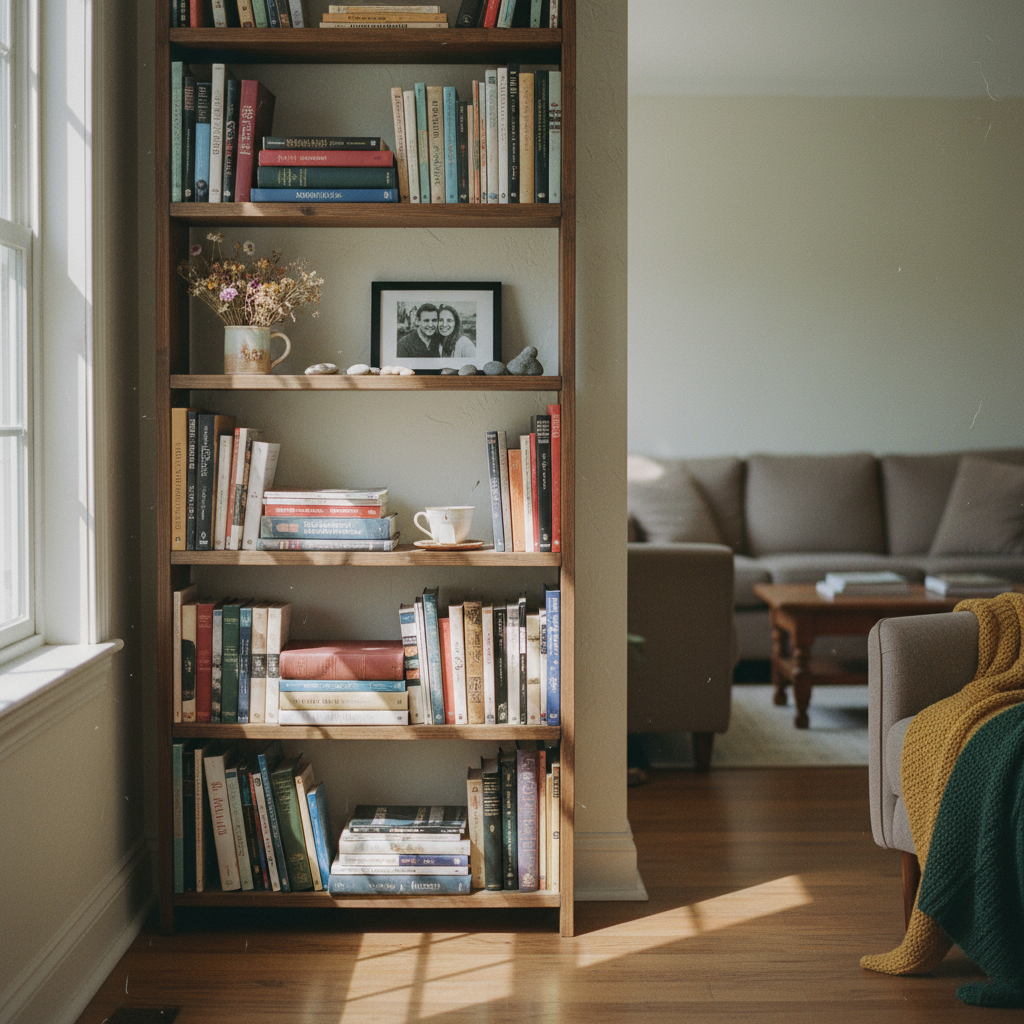
Beyond just storing books, a bookshelf can be a curated display. Arrange books by color, size, or even by topic. Mix in decorative objects like vases, small sculptures, or framed photos.
This is a chance to showcase your shared interests. If you both love cooking, display your favorite cookbooks. If you enjoy travel, include souvenirs from your trips. Your bookshelf is a reflection of your life together.
Don’t feel pressured to fill every single inch. Negative space, or empty areas, can make a display look more intentional and less cluttered.
- Organize books by color, size, or subject.
- Intersperse books with decorative items.
- Showcase items related to your shared interests.
- Allow for some negative space.
13. Cozy Rug Placement
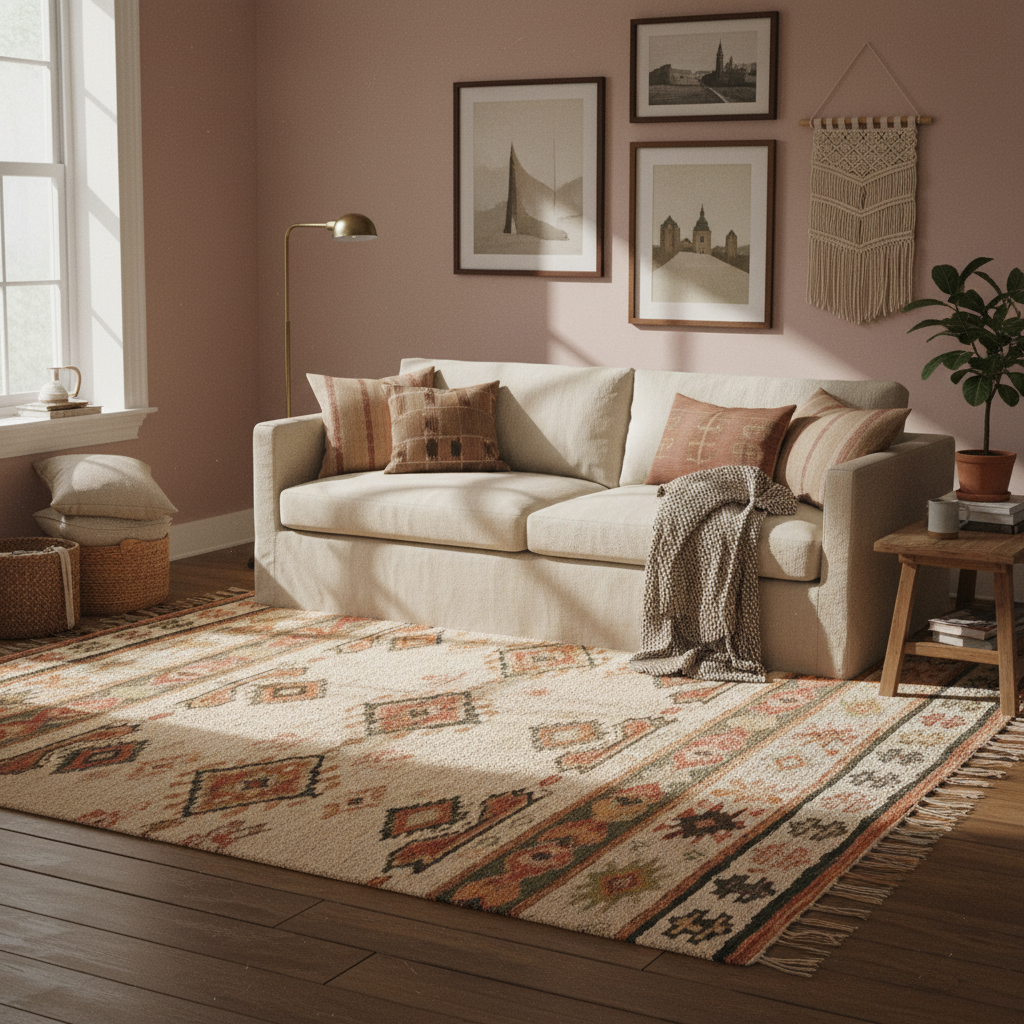
A rug can define a space and make it feel much more cohesive. It anchors furniture and adds warmth underfoot. Think about the size and shape that best fits your room.
For a living area, the rug should ideally be large enough for at least the front legs of your sofa and chairs to sit on it. This ties the seating area together. A rug adds instant comfort.
Consider the texture and pattern. A plush rug feels luxurious, while a patterned one can add visual interest. Choose something that complements your color scheme and doesn’t clash.
- Choose a rug that defines your main seating area.
- Ensure at least the front legs of furniture sit on the rug.
- Consider texture for comfort and pattern for style.
- It adds warmth and visual cohesion.
14. Harmonizing Bedding
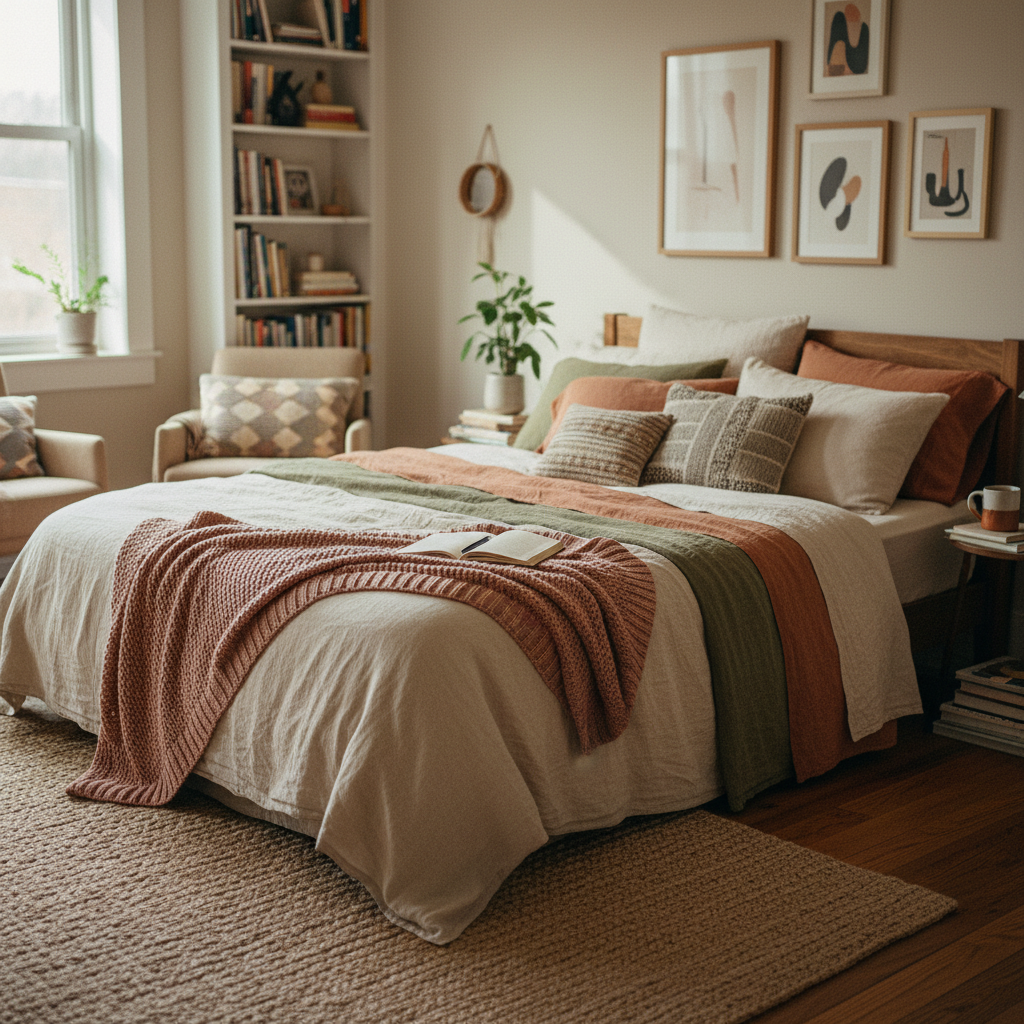
In the bedroom, bedding is key for a peaceful vibe. Choose colors and textures that make you both feel relaxed. Think soft linens, calming blues, or warm neutrals.
You don’t need to have perfectly identical pillows. Instead, mix and match complementary colors and textures. A set of solid colored sheets with patterned accent pillows can look sophisticated. Make your bedroom a retreat.
Layering is also important here. Add a cozy duvet or a soft throw blanket. This adds depth and makes the bed look more inviting.
- Select calming colors and soft textures for bedding.
- Mix and match sheets, duvets, and pillows.
- Layer with throws for added warmth and style.
- Create a peaceful and inviting atmosphere.
Final Thoughts
I hope these 14 couples aesthetic room decor ideas have given you a clear path forward. It’s really about creating a space that feels like your sanctuary, a place where both of you feel seen and comfortable. You’ve got this!
Couples Room Decor Quick Guide Table
| Decor Element | Key Considerations for Couples | Tips for a Shared Aesthetic |
|---|---|---|
| Color Palette | Agree on 2-3 main colors, plus accent colors. | Use a balance of preferences; one person’s dominant, other’s accent. |
| Seating | Enough comfortable seating for both, arranged for conversation. | Mix styles and textures; ensure pieces complement each other, not necessarily match. |
| Lighting | Layered lighting (lamps, dimmers) for mood control. | Use warm white bulbs; place lamps strategically for reading and ambiance. |
| Wall Art | A collection reflecting both personalities and shared memories. | Create a gallery wall with mixed sizes and styles; include personal photos and souvenirs. |
| Plants | Low-maintenance greenery that suits the room’s light. | Mix sizes and types; place them to fill empty corners or add detail to surfaces. |
| Rugs | Size and texture to define the space and add warmth. | Ensure it anchors furniture; choose a pattern or texture that complements your decor. |
| Textiles (Throws/Pillows) | Varied textures and colors that add comfort and style. | Layer different materials; choose colors that coordinate with your main palette. |
Frequently Asked Questions
Is it okay for couples to have different decor styles?
Absolutely! It’s actually ideal to blend your styles. The goal isn’t for one person to win, but to find a middle ground that makes you both happy. Think of it as a fusion.
Can I use bold colors if my partner prefers neutrals?
Yes, you can! The trick is balance. Use bold colors strategically as accents – perhaps in pillows, a piece of art, or a single wall. Your partner’s neutrals can then ground the space.
How do I make sure both my and my partner’s personalities show?
Dedicate specific areas or shelves for each person’s interests. Mix your collections on display shelves, and choose art that represents things you both love or have experienced together.
What if we can’t agree on furniture?
Start by identifying what’s most important: comfort, function, or style. Then, look for pieces that meet those core needs and have a design that can bridge your preferences. Compromise is key.
How do I avoid making a room feel too cluttered?
Focus on multi-functional furniture and smart storage solutions. Keeping surfaces clear and having designated spots for everything makes a huge difference. Less clutter equals more peace.
Should we buy furniture together or separately?
Buying larger, more expensive pieces together is usually best. It ensures you’re both invested and have a say. Smaller decorative items can sometimes be chosen individually if they fit the overall scheme.
Can plants really make a difference in a shared space?
Definitely. Plants add life, color, and a natural element that can make any room feel more welcoming and tranquil. Plus, caring for them can even be a shared activity.
How do I create a cozy atmosphere for two?
Layering is your secret weapon. Use soft lighting, plush textiles like throws and pillows, and comfortable seating arranged to encourage connection. Think about what makes you both feel relaxed and happy.